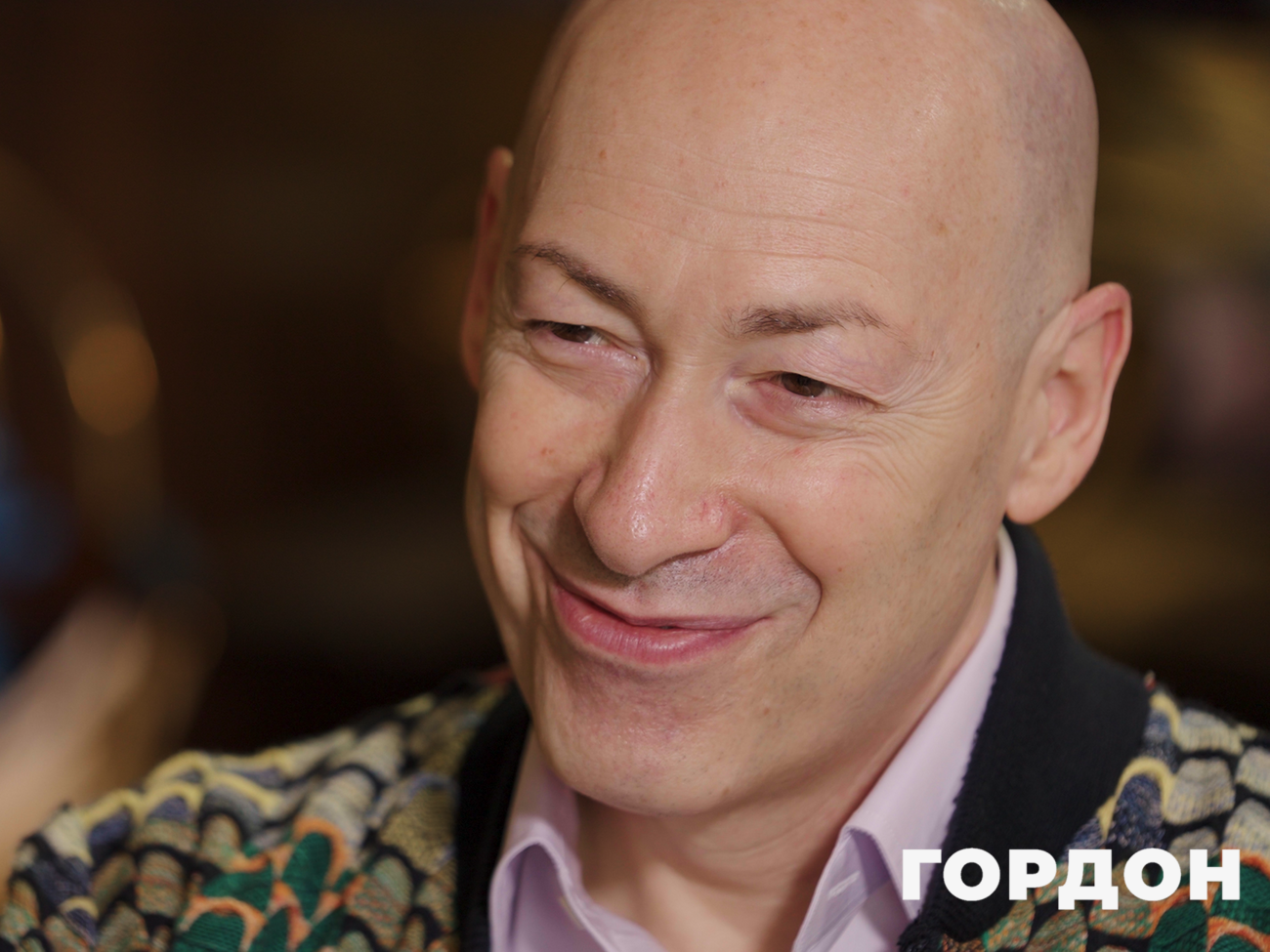
At a meeting on May 20, the Kiev Court of Appeal practically confirmed the decision of the court of first instance in the lawsuit of the founder of the GORDON publication, Dmitry Gordon, against businessman Alexander Povoroznyuk and Znay LLC in the case of protection of honor, dignity and business reputation. The journalist's lawyer, Edvin Odintsov, told GORDON about this.
In November last year, the Pechersky District Court of Kyiv made a decision in Gordon's favor on this claim. The court then recognized as unreliable the information disseminated by Povoroznyuk in an interview on the Politeka Online YouTube channel (he stated that Gordon was allegedly an “FSB agent” and owned apartments in Moscow).
According to this decision, Povoroznyuk is obliged to refute this information in the same way it was disseminated: by reading the text of the refutation in a video on the Politeka Online channel. Know LLC must post a video with a refutation on its YouTube channel no later than 15 days after the decision comes into force.
During the consideration of the case in the first instance, the defendants were unable to substantiate their statements and even tried to say that the statements concerned “another Gordon,” the lawyer said.
The defendant, in his words, “couldn’t even decide which Gordon he was referring to – perhaps the Russian propagandist Alexander Gordon or the British chef Gordon Ramsay.”
The appeal “strengthened” the decision of the first instance, changing it only in the part concerning the distribution of legal costs, Odintsov explained.
This is Gordon’s second victory in this case, and overall his fourth in the courts against Povoroznyuk.
Another decision in favor of the journalist was made in September 2024 by the Alexandria City District Court, denying Povoroznyuk’s claim against Gordon for the protection of honor and dignity (concerning the interview of farmer Nikolai Okhotny with Gordon). The appellate court in this case concluded that value judgments about Povoroznyuk were made in Okhotny’s interview and that they cannot be refuted. Then the appeal changed the reasoning part of the decision of the Alexandria Court, emphasizing that the plaintiff – Povoroznyuk – “must be aware that his activities may become the subject of close public attention and public discussion, and be subject to some criticism.”