The topic of shelters is returning to Polish public debate with a force that the real estate market has not seen in decades. The war in Ukraine, the tense geopolitical situation and new regulations on civil protection and civil defense cause this developers, designers and local governments are starting to look at residential buildings differently. More and more often, it is not only about the standard of common areas, energy efficiency or the number of parking spaces, but also about… infrastructural security and the possibility of using underground parts as temporary shelters. The real estate industry is currently analyzing how new regulations will affect investment costs, the layout of underground garages and, ultimately, apartment prices.
Just a few years ago, the topic of shelters practically did not appear in conversations about housing. Today the situation is completely different. Local governments are starting to invest in protective infrastructure, and the government is launching the Civil Protection and Civil Defense Program for 2025-2026 with a budget of approximately PLN 34 billion.. Olsztyn announces the modernization of shelters in schools and the construction of new protective spaces, Szczecinek is preparing places to hide, among others. under schools and in the basements of the town hall, and Mielec is planning to build a warehouse hall with a shelter function.
Jacek Piotr Kacprzyk, president of Kup i Mieszkaj
|
Buy and Live
Read more: Shelters and safety in Poland. Experts: we will not catch up with years of arrears
At the same time, the real estate market is trying to answer the question of how the new regulations will change future housing investments.
Shelters in blocks of flats. It's not about a bunker under every apartment building
In public debate, there is often a simplified message that: each new block will have to have a shelter. However, the real estate industry emphasizes that the reality is more complex. The new regulations and draft regulations concern primarily the obligation to provide places of emergency shelter or appropriate preparation of underground parts in selected residential investments and public buildings..
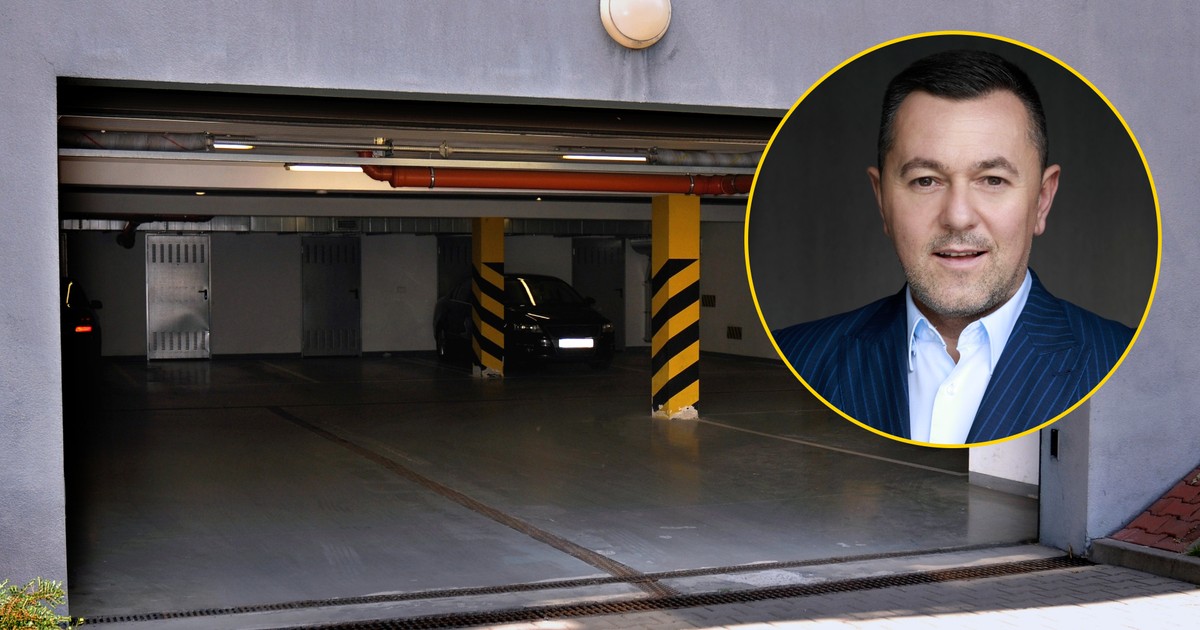
In practice, this is most often the case designing underground garages, basements and technical parts so that they can act as a protective space in emergency situations. This is a fundamental difference from classic military shelters, which are associated with thick concrete structures built during the Cold War.
— The market must separate emotions from facts. We are not talking about building classic military shelters under every apartment building. Much more often, it is about preparing the underground parts of the building so that they can serve as a place of temporary shelter. It still means that though additional design, technical and organizational requirements – says Jacek Piotr Kacprzyk, a real estate expert with over 20 years of experience in the development industry.
Some of the detailed technical requirements still remain at the stage of consultations conducted by the Ministry of Interior and Administration. The market is primarily waiting for an answer as to what standards will be mandatory, what exceptions will be allowed and which investments will be covered by the new regulations.
Underground garages and shelters will change the way housing estates are designed
The biggest changes may concern the underground floors. So far, they have been designed mainly for parking spaces, storage rooms and technical facilities. New regulations may mean that part of this space will have to perform additional functions related to civil protection.
In practice, this means the need for a completely different approach to planning the underground parts of buildings. Developers are currently analyzing scenarios including:
- changing the layout of underground garages,
- separation of additional technical zones,
- use of special ventilation systems,
- strengthening parts of the structure,
- providing alternative power supply,
- creation of emergency infrastructure.
Experts emphasize that the underground floor is no longer just an addition to apartments.
— The underground floor is no longer just a place for cars and storage rooms. It's becoming more and more element of the building's security infrastructure. For designers and developers, this means the need for a completely different approach to planning the underground parts of investments, as well as a different way of calculating costs and profitability, emphasizes Kacprzyk.
The changes may be particularly noticeable in large cities, where underground space is already used almost to the maximum. In such locations, each additional technical requirement means the need to redesign the investment or limit some commercial functions.
See also: Metro in 10 Polish cities? “dual-use” tunnels
Apartment prices may increase due to new regulations
This is one of the most important questions asked today by both developers and clients buying apartments. The real estate industry has no major doubts about that new obligations related to civil protection will translate into the costs of investment implementation.
The scale of the increase will depend on many factors – project location, ground conditions, number of underground floors or the standard of the building itself. However, they will be crucial final technical requirements resulting from the regulations.
The greatest impact may be visible in large cities, where the underground parts of the investment are extremely expensive and have a huge impact on the economics of the entire project.
— Each additional technical requirement ultimately affects the investment budget. The market will have to answer the question of where these costs will be distributed – whether in the price of apartments, the cost of common areas, the number of parking spaces or other design elements. This will be one of the most important topics for the industry in the coming years, says Kacprzyk.
Developers also pay attention to possible limitation of the number of parking spaces and storage rooms. In many investments today, the underground space is used almost entirely. If part of the area needs to be allocated for protective functions or additional technical infrastructure, it may be necessary to change the layout of the garages or build additional underground floors.
However, this does not automatically mean that every investment will lose parking spaces. In some projects it will be possible reconciliation of both functionsalthough this will often require more complex and expensive construction solutions.
Apartment safety will become a new sales argument
The real estate market is also increasingly analyzing whether protective infrastructure can become an element of the investment's competitive advantage. Just a few years ago, buyers asked primarily about the location, the standard of common areas and the energy efficiency of the building. Today, the importance of infrastructure resilience is growing.
Customers are increasingly paying attention to security systems, energy independence of the building or preparation of investments for crisis situations. Developers note that security may become one of the new quality elements of residential investments in the coming years.
— Infrastructure security may become one of the new elements of investment quality. It's not about creating an atmosphere of threat, but about… designing buildings that are more resistant and prepared for various crisis scenarios — from infrastructure failures to emergency situations, says Kacprzyk.
The coming months will be crucial for the entire real estate industry. Developers, designers and local governments are waiting for the final clarification of the regulations. Today, however, it is clearly visible that the issue of civil protection is no longer exclusively the domain of public administration. He is increasingly entering the world of housing, architecture and investment economics. This means that in the future, the question about the safety of the building may be as natural as the question about the number of parking spaces, the amount of rent or the standard of common areas.