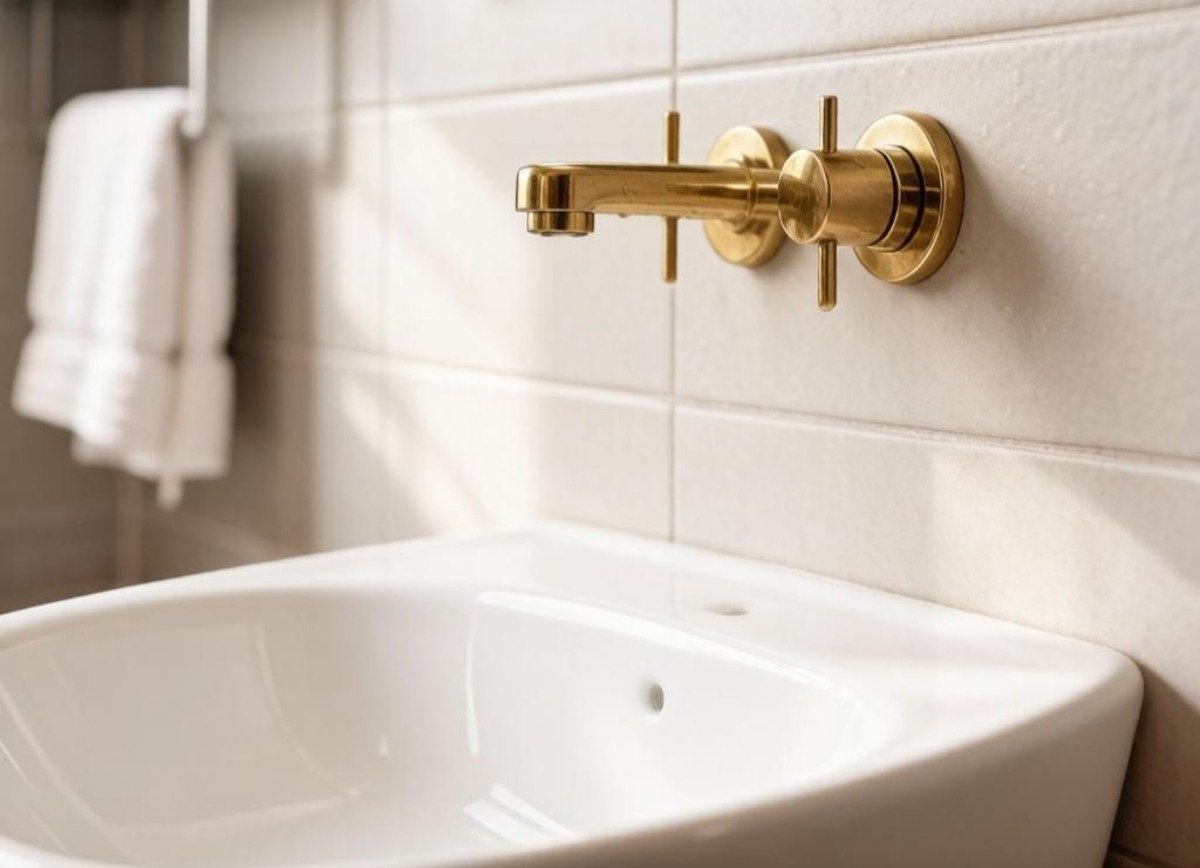
Limescale deposits appear on faucets and glass shower doors faster than we can do general cleaning. The constant struggle with white stains takes energy and turns weekends into tedious cleaning. But there are proven solutions that turn a complex task into quick action.
Citric acid will be an excellent help against thin deposits on chrome. Dissolve a packet of powder in a glass of warm water, dampen a soft cloth and wrap it around the problem areas of the faucet. Leave for twenty minutes, then wipe the surface with a dry cloth. The acid dissolves mineral salts without damaging the protective coating.
Baking soda effectively solves the problem of old stains on glass. Make a thick paste by mixing the powder with a little water. Apply the mixture to a sponge and use soft circular movements to treat the partitions. Soda works as a delicate abrasive that does not leave micro-scratches and is easily washed off.
Table vinegar is ideal for treating hard-to-reach joints. Pour the liquid into a spray bottle and spray along the tile seams and around the drain hole. Cover the treated areas with paper towels and wait ten minutes. Acetic acid penetrates into cracks and peels off deposits without mechanical friction.
The microfiber cloth reliably prevents the re-deposition of salts. After any cleaning, wipe all metal parts and glass surfaces dry with a special cloth. The pile absorbs remaining moisture and creates an invisible layer that prevents salts from re-fixing. One pass is enough to keep the shine until the next week.
These affordable methods will help you keep your bathroom in tip-top condition without purchasing expensive household chemicals. The plumbing will last longer, and cleaning will take no more than fifteen minutes.