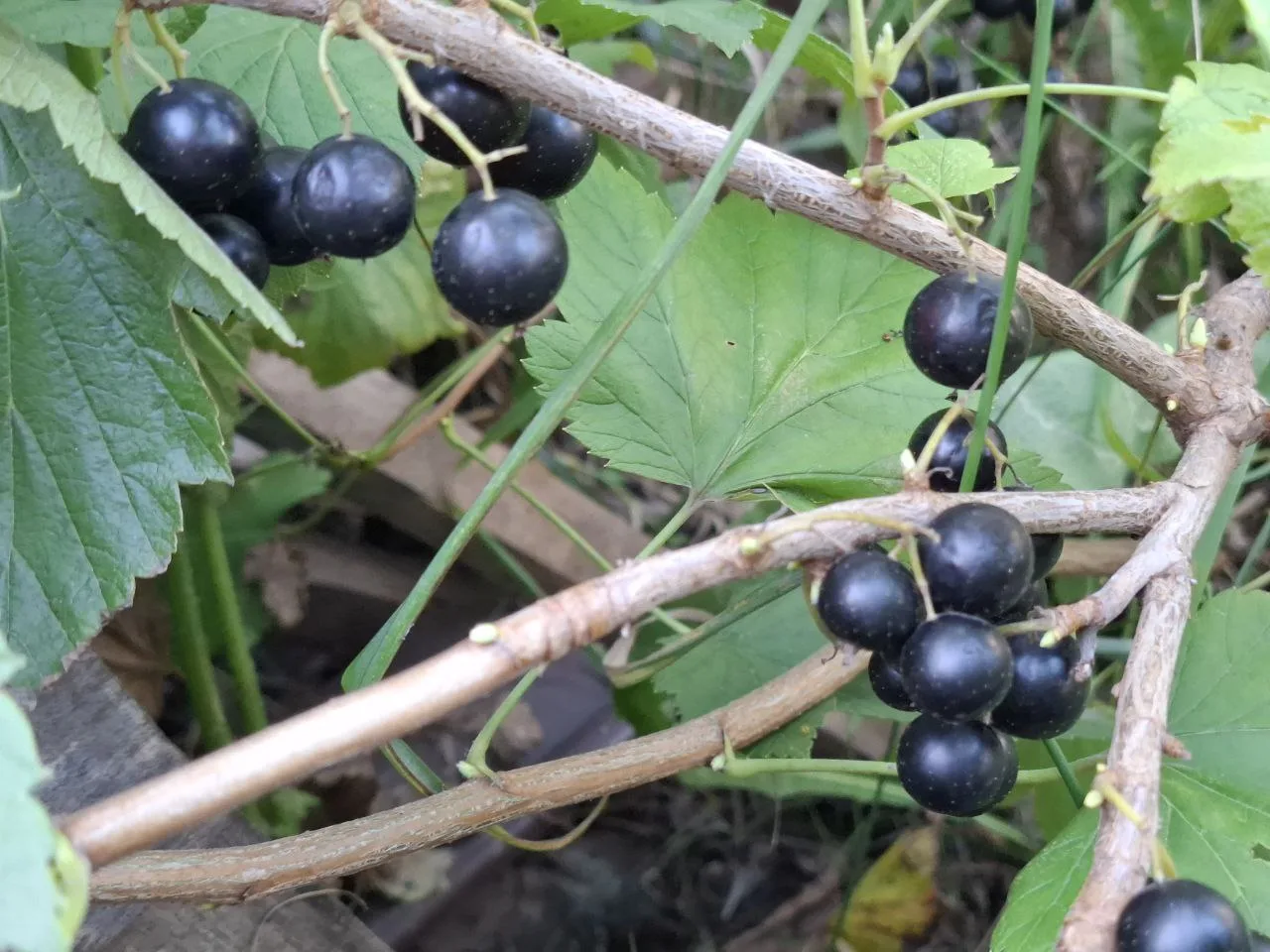
Currant is one of the most popular berry crops, but it often suffers from pests and diseases. Regular table vinegar can be an inexpensive assistant in caring for bushes. Experienced agronomist Ksenia Davydova spoke about this.
How does vinegar work?
Acetic acid has antiseptic and repellent properties. It does not fertilize the plant, but helps protect it from threats.
Main goals and recipes:
- aphids and spider mites – 2 tbsp. spoons of vinegar per 10 liters of water. Spray in dry weather, wetting the leaves on both sides. Repeat every 7–10 days;
- ants (carry aphids) – 1 tbsp. spoon of vinegar per 10 liters of water. Water the soil around the bush once every 2 weeks;
- powdery mildew and anthracnose – prevention with a weak solution (1 tablespoon per 10 liters of water) in wet weather. The method is ineffective on affected areas
Soil acidification and precautions
Currants love slightly acidic soil (pH 6.0–6.5). If the soil is alkaline, dilute 50 ml of 9% vinegar in 10 liters of water and water the tree trunk in early spring or autumn (no more than once a month). Before doing this, check the pH – excess acid harms the roots.
Important rules:
- work with gloves and a mask;
- do not exceed the dosage – the concentrated solution burns the leaves;
- spray only in dry weather (rain washes off the product);
- Avoid processing during flowering – vinegar repels bees.
When to use and what to expect
Optimal timing of treatments: early spring (before buds open), after flowering and autumn (after harvesting). Allow 7–14 days between sprayings. Vinegar is not a panacea, but an addition to agricultural practices: pruning, fertilizing, and leaf harvesting. In case of mass infection, stronger drugs are needed.
Prepare the solution immediately before use – the smell disappears quickly. Use water at room temperature. Vinegar is a budget and affordable product, but only if used correctly.
Personal experience
The currants grew, but the berries were small and sour, and the leaves were covered with some kind of white coating. I read about vinegar for powdery mildew, but at first I was afraid it might burn me. I diluted a weak solution (1 spoon per bucket) and sprayed it after flowering. The plaque disappeared, the berry became larger and sweeter.