Trump is building world peace like a ballroom in the White House. The structure is not solid

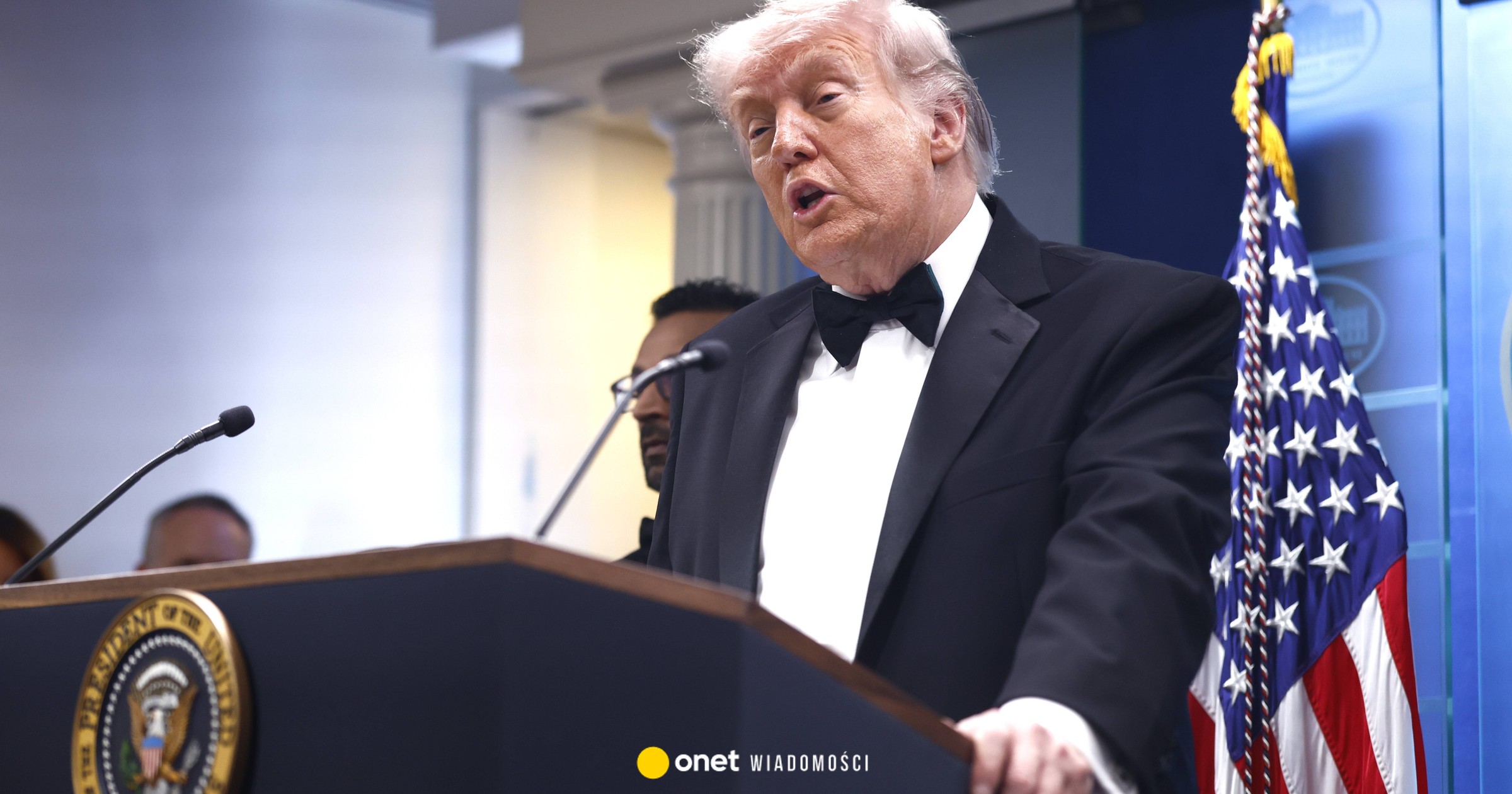
When Trump leaves office, will the ballroom be just an unfinished shell, or a solid, fully completed structure? Is it flawed by design or will it be too politically toxic for the next president to maintain? And will the entire investment be worth the price in the end?
“Managing crises rather than solving them”
Trump and his team paint bird's-eye visions that sound great in theory, but beyond half-measures they have little to show for it. Yes, they even achieved a ceasefire in Southeast Asia and presented a vision for Gaza, however deep, structural conflicts persist.
Trump still has some time to come up with lasting agreements, and finding solutions to long-standing international challenges is no easy task for any president. But Trump has a habit of quickly declaring victories and leaving things alone (“We finally have peace in the Middle East,” he announced last October, celebrating a ceasefire in Gaza). At the same time, it deprived the American government of its ability to conduct peace-building activities. This means that its loose contracts could be followed by waves of instability.
— A draft agreement may buy some time. A real contract changes behavior – one Arab diplomat told me. — In the Middle East, many people fear that “framework” arrangements serve to manage crises rather than solve them.
But few — if any — foreign officials believe Trump's team will turn such a sketch into a a lasting, detailed agreement that will even partially satisfy the concerns of the various partiesfor example, Israeli and Arab fears of militias acting on behalf of Iran.
Moreover, Trump has repeatedly insulted and alienated key countries that could help him reach a serious agreement.
– As a result we are stuck in a gray zone where there is neither peace nor warand only from time to time there are local skirmishes, predicts one of the officials of the Persian Gulf countries. – And we will live in this condition for some time.
I asked the White House for comment on these concerns. “This is a column written less than two years after President Trump took office, and while the alarmists continue to panic, President Trump has proven time and time again that he is worth trusting,” wrote Olivia Wales, a White House spokeswoman.
“Maybe this administration is just more comfortable with ambiguity.”
There is also the issue of Gaza. Trump and his envoys Steve Witkoff and Jared Kushner – developers also involved in talks on Iran – have developed a broad framework for the agreement divided into several phases, intended to bring a long-term solution.
Jared Kushner and Steve Witkoff after signing the founding charter of the “Peace Council”. Davos, January 22, 2026EPA/GIAN EHRENZELLER / PAP
At first glance, this sounds like a solid plan. And indeed – the ceasefire, although constantly tested, holds. However, the time thus gained did not bring any significant progress towards lasting peace.
One of the European diplomats commented on such situations poetically: – Maybe this administration simply feels better in ambiguity, as if it were politically inspired by Keats's concept of “negative ability”, only in a political version.
When I point out to U.S. and foreign officials that vagueness and half-measures can only delay the problem, they respond that it is often the only option they have. Some challenges are too difficult to solve in one presidential term, and when one aims too high in an attempt to achieve absolute peace, one risks ending up with nothing.
Trump administration officials and those close to them advise patience, saying he and his advisers still have plenty of time for further action and breakthroughs. They point to the Abraham Accords and tough actions against China from Trump's first term as examples of deliberate successes.
“I don't think we should disregard ceasefires and other negotiations that solve current problems, because only then can we hope to build a more lasting framework of peace and major changes in the world order,” says Alex Gray, who served on Trump's first National Security Council.
“Many of the negotiations that his critics describe as 'stalled' are actually progressing, but they are waiting for the right moment,” adds a current Trump administration official.
Yes, patience matters in cases like Gaza, Iran and other protracted conflicts. However, what is important is how this hard-won time is used. People with experience in negotiations emphasize that constant diplomacy and readiness to play hardball, even with allies, are needed. Experience is also needed. Envoys should focus on specific issues and not deal with gigantic crises such as Iran, Ukraine and Gaza all at once.
“Trump's successor will have to face fundamental questions”
Even with all the pieces of the puzzle, it can take many months to reach a long-term agreement. The final phase of the Good Friday Agreement negotiations in Northern Ireland took almost two years.
“Trump and his advisers believe more in pace and pressure than in thoroughness,” a former senior U.S. official in charge of the Middle East tells me.
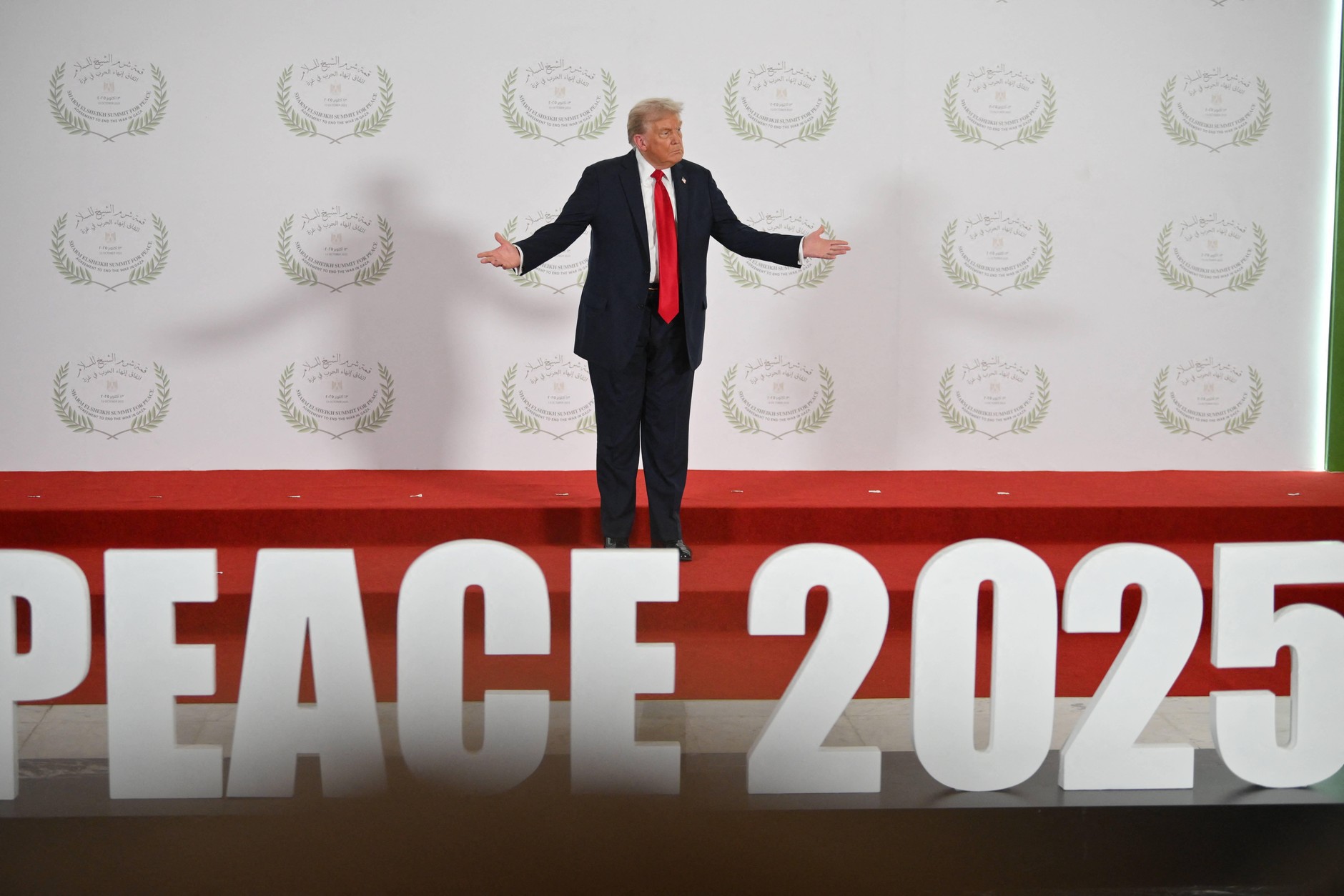
Donald Trump before the start of the peace summit in Sharm el-Sheikh, October 13, 2025.Eliot Blondet/ABACAPRESS.COM / PAP
At the same time, many current and former U.S. and foreign officials argue that — by entering war without adequate preparation — The Trump administration, together with Israel, has further complicated the already difficult issue of Iran.
Some argue that Trump's limited and half-baked policy methods made it so decided to go to war, although there was still a chance for negotiations. As analysts argue, if more nuclear and Iran experts had been included in talks with Tehran before the war, American envoys might have understood that Iran had offered a quite favorable offer in February.
The president and his advisers must continue to pursue a long-term, multi-dimensional solution to the war with Iran, officials in the region say. The effects are so far-reaching that it will be difficult for Trump to look away. — This has national and global impacts too large to ignore. Greater than in the case of Russia, Ukraine, Gaza and Venezuela, a senior Arab diplomat tells me.
— Trump's successor will have to face fundamental questions – predicts Dennis Ross, an experienced Middle Eastern negotiator. — For example: does the use of force cease to be an option? Are we withdrawing our bases from this region?
If only solving the world's conflicts were as easy as building a ballroom…