
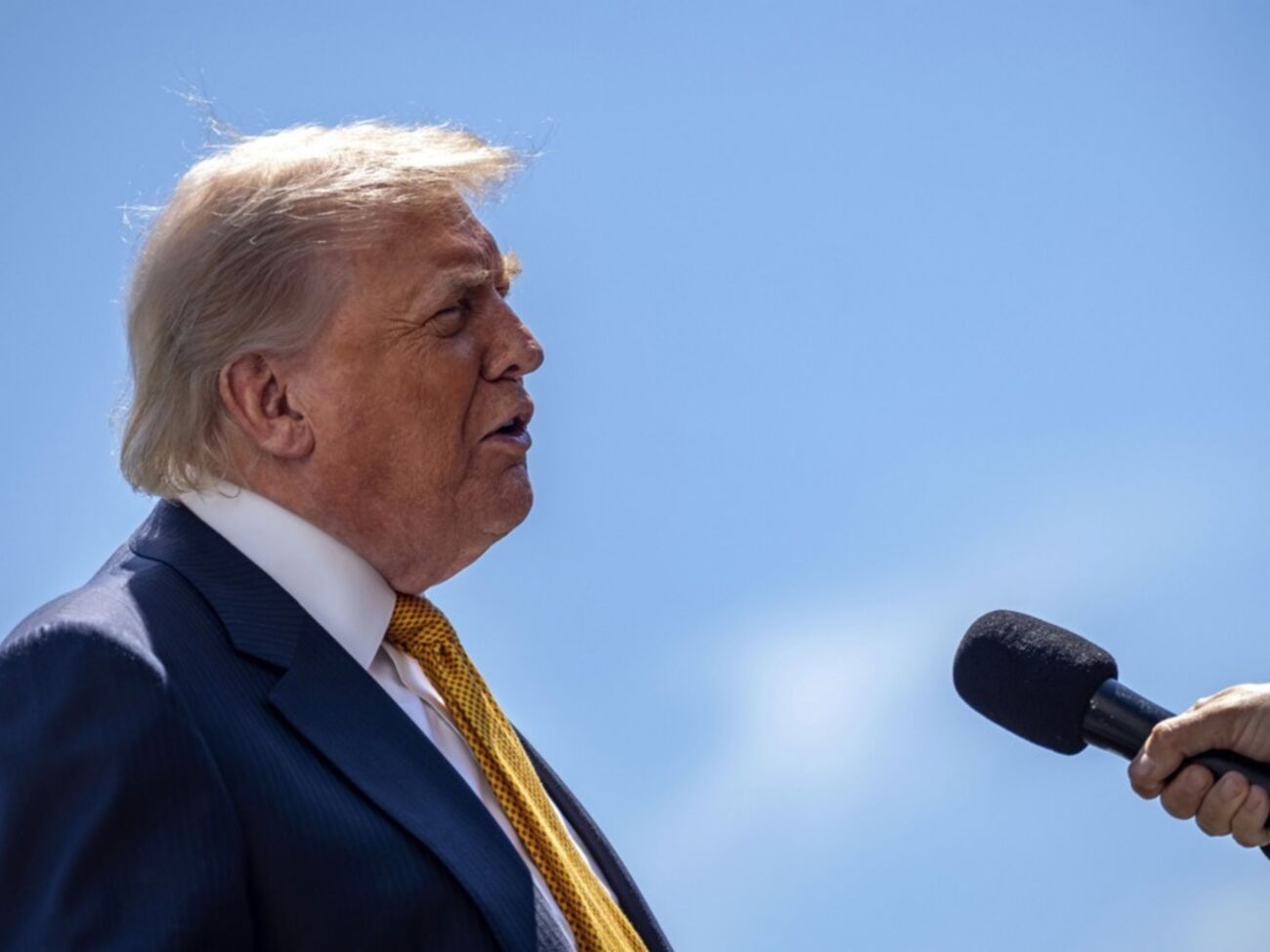
The war of the aggressor country Russia against Ukraine has become an example of how, in the era of US President Donald Trump, the concept of a ceasefire has lost its traditional meaning. The New York Times wrote about this on May 13.
Analysts say temporary truces have become a tool of “show diplomacy” and are used more for media effect than as a step towards real peace. The publication recalls that after the end of the three-day truce announced by Trump, Russia again launched massive attacks on Ukraine with drones, missiles and aerial bombs. At the same time, fighting at the front did not actually stop even during the formal regime of silence.
University of Notre Dame professor Madhav Joshi noted that successful peace agreements usually require years of preparation, independent oversight and a strong political base. According to him, the last Russian-Ukrainian truce had neither monitoring mechanisms nor conditions for a sustainable settlement.
The publication also notes that negotiations between Moscow and Kiev, initiated by the United States, have actually stalled. They were supervised by Steve Witkoff and Jared Kushner, close to Trump, who do not have serious diplomatic experience. The announcement of the three-day ceasefire itself appeared unexpectedly – in Trump's post on Truth Social.
Since Trump returned to the White House, Washington has brokered five temporary truces, each marred by allegations of abuses. Ukrainian writer and philosopher, editor of the Ukraine World news site Vladimir Ermolenko described this cycle as an elaborate “masquerade”.
Experts believe that the Trump White House is relying on quick political results and loud statements instead of long negotiations. According to Georgetown University professor Daniel Byman, for Trump, “a truce equals peace” and the focus is on “a positive headline today.”
In Ukraine, such agreements have been viewed with skepticism since the days of the Minsk agreements of 2014–2015, which did not stop the Russian offensive in the Donbass. Since the start of a full-scale war, Kyiv has repeatedly accused Moscow of using truces to regroup troops and prepare new attacks.
At the same time, the Ukrainian authorities still see potential benefits even in partial agreements, the publication notes.


