Protests in Havana due to 22-hour power cuts a day / Minister: “Cuba has completely run out of diesel and fuel oil”

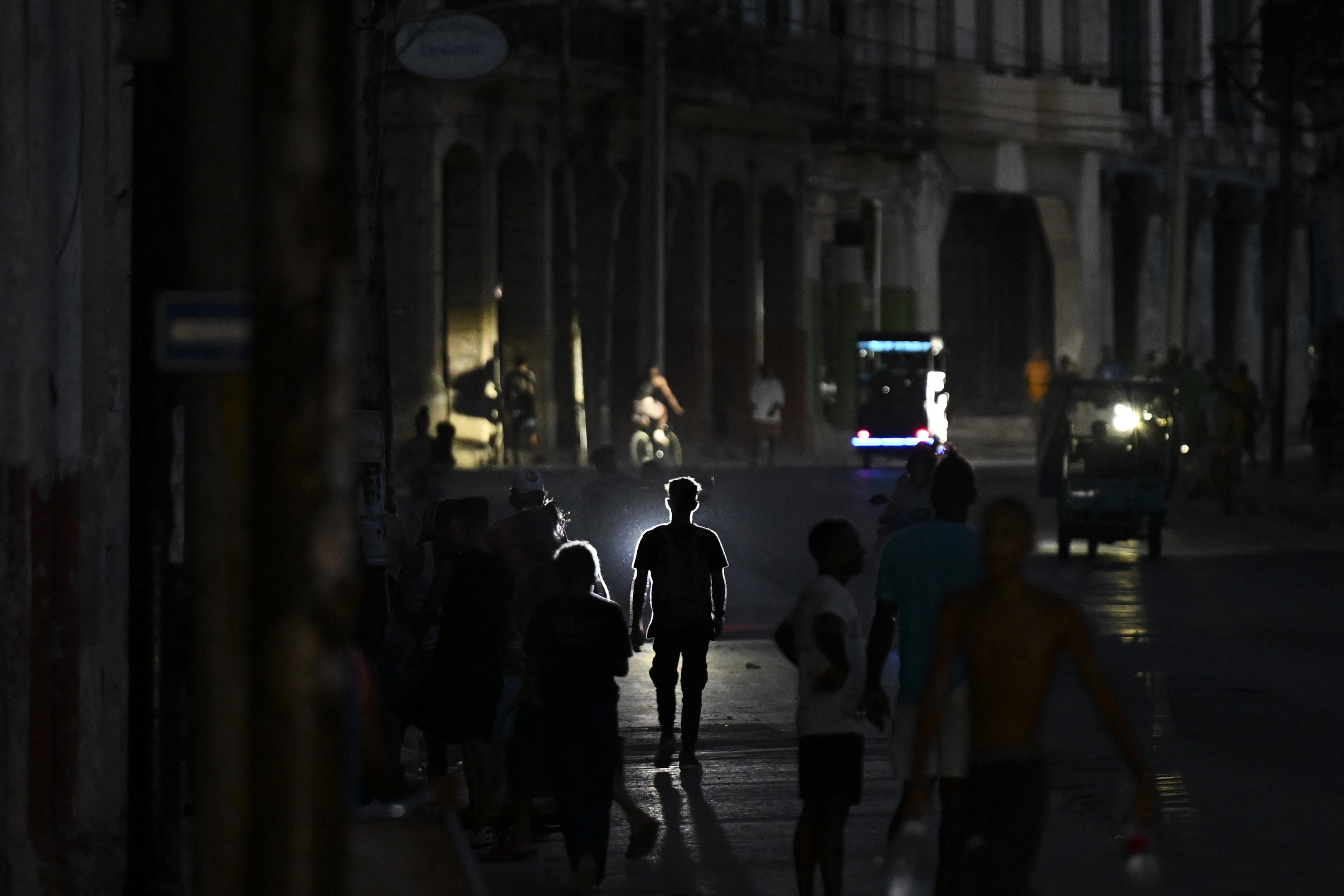
Protests erupted in several neighborhoods of the Cuban capital, Havana, with hundreds of residents banging pots against frequent power outages despite a heavy police presence, according to Reuters and AFP.
Cubans took to the streets Wednesday night (Thursday morning in Romania) as Havana faces its worst power outages in decades amid the US blockade that has deprived the island of fuel.
🚨🇨🇺Protesto em Havana Cuba
Sem internet is fuel ⛽
Chaos
Povo nose ruas pic.twitter.com/IqsI5LDi0O— Elza S.🇧🇷 (@elzasb1) May 14, 2026
⚠️⚠️La Habana is burning in protest tonight… images of Lawton and Dolores that sent me with this message:
“Hola Jorge, imágenes de calle Lawton y Dolores ahora mismo” pic.twitter.com/4Qq4mn282t
— Mag Jorge Castro🇨🇺 (@MagJorgeCastro) May 14, 2026
“We have no reservations”
Cuba has completely run out of diesel and fuel oil, Energy and Mines Minister Vicente de la O Levy told state media on Wednesday, adding that the national electricity grid was in a “critical” state.
“We have no reservations,” he emphasized.
Power outages have multiplied dramatically this week and recently in the capital Havana, with many neighborhoods without power for 20 to 22 hours a day, the minister said, heightening tensions in a city already depleted by shortages of food, fuel and medicine.
The national grid, he said, operated entirely on domestic crude oil, natural gas and renewable energy.
Cuba has installed 1,300 megawatts of solar power in the past two years, but much of that capacity is being lost to grid instability amid fuel shortages, de la O said, reducing efficiency and production.
Four months of American blockade
The country's top energy official said Cuba continued negotiations to import fuel despite the embargo, but said rising global oil and transportation prices amid the US-Israeli war with Iran was further complicating that effort.
“Cuba is open to anyone who wants to sell us fuel,” the minister said.
Neither Mexico nor Venezuela, once the main suppliers of oil to Cuba, have sent fuel to the island since Trump's January 2026 executive order, which threatened to impose tariffs on any country that ships fuel to the communist-ruled nation.
Only one large tanker, the Russian-flagged Anatoly Kolodkin, has delivered crude to Cuba since December, providing only temporary relief in April.
The new blackouts in Havana and elsewhere come as the US embargo on fuel imports into Cuba enters its fourth month, crippling public services on the Caribbean island of nearly 10 million people.
Last week, the United Nations called Trump's fuel embargo illegal, saying it obstructed “the Cuban people's right to development while undermining their rights to food, education, health, water and sanitation.”
The US offered aid, with conditions
Cuba on Wednesday accused the United States of being responsible for the island's highly “strained” power grid, as Washington renewed, with conditions, an offer of $100 million in aid.
In a statement, the State Department reiterated the offer of financial aid to the communist island, subject to severe American sanctions, on the condition that this aid be distributed by the Catholic Church.
US Secretary of State Marco Rubio, whose parents are of Cuban descent, initially made the proposal during a visit to the Vatican, then said Cuban leaders rejected it. A claim denied by the Havana government.
Exchanges of retorts have multiplied in recent weeks between Washington and Havana, even as the two countries are in negotiations and a high-level diplomatic meeting took place on April 10 in the Cuban capital.
In early May, Cuba accused Marco Rubio of “lying” after he claimed that Washington was not imposing an oil embargo on the island, but that the Cuban energy crisis stemmed from domestic economic mismanagement.
Since the fall of Venezuelan President Nicolas Maduro, an ally of Havana captured by US forces in early January, Washington has been applying a policy of maximum pressure on the island, which has already been under a US embargo for more than six decades.
At the end of January, Donald Trump signed an executive order stating that Cuba, located 150 km off the coast of Florida, represents an “extraordinary threat” to the United States. He threatened retaliation against any country willing to supply or sell oil to Havana.