Ciucu announces traffic lights with artificial intelligence in Bucharest. Why a European capital gave them up

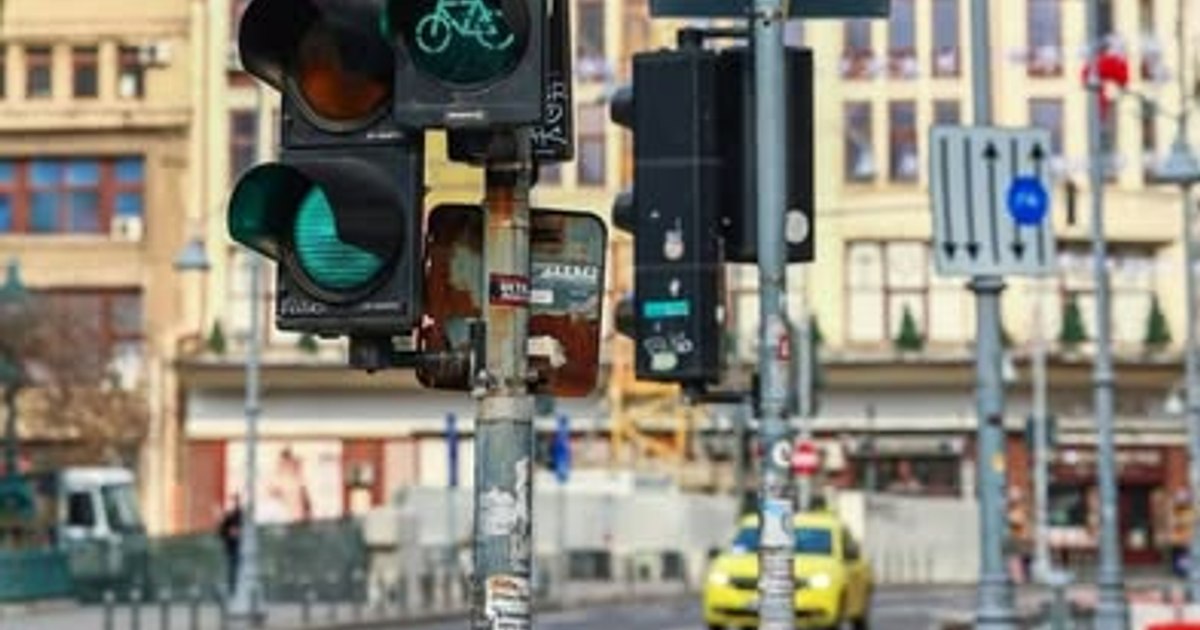
The City Hall of the Capital announces “an important step” in the smart traffic light project: the General Council approved the feasibility studies and technical-economic indicators for the modernization of the first 92 intersections and pedestrian crossings, as well as for the arrangement of the system's command center.
An AI system will coordinate the FOTO FB PMB traffic lights
According to the municipality, this first stage involves the installation of over 300 cameras, 1,500 sensors and all the infrastructure necessary for the operation of the system,
“The feasibility studies and the technical-economic indicators for the modernization of the first 92 intersections and pedestrian crossings and the setting up of the command center were voted, at the proposal of Mayor Ciprian Ciucu, in yesterday's meeting of the General Council. The first stage of the project means the modernization of 92 intersections and pedestrian crossings. We will install 305 cameras and 1,500 sensors, plus all the technology necessary for the proper functioning of the system. Period of implementation is 14 months, including installation and commissioning”, says the municipality in a post on the PMB Facebook page.
The second stage concerns the setting up of the command center, which will operate in the building of the Municipal Integrated Center for Emergency Situations, the works being estimated to take eight months. Subsequently, the project will continue with the modernization of another 185 intersections, and in the last phase, 270 intersections and pedestrian crossings will be modernized.
“Intersections will be equipped with magnetometric sensors in the asphalt, but also on poles, video cameras equipped with modern functions and artificial intelligence programs, automatic traffic controllers, and for pedestrians, buttons and acoustic devices. It will be a complex AI system that synchronizes traffic lights, adjusts traffic light times based on the number of cars and makes decisions by itself, depending on traffic values. In addition, it will know how to prioritize public transport, so that buses and trolleybuses arrive at the stations according to the schedule”.
The capital of the Netherlands has given up on smart traffic lights
The municipality says the project will help streamline traffic, reduce pollution and improve public transport.
We recall that Amsterdam, the capital of the Netherlands, abandoned plans for smart traffic lights amid concerns about privacy and the violation of citizens' privacy, according to The Times.
Using GPS and mobile phone map apps, the traffic lights were designed to track vehicles to monitor road usage and prevent congestion. However, the Dutch Data Protection Authority (DPA) has raised concerns about the collection of personal data and how it is used.