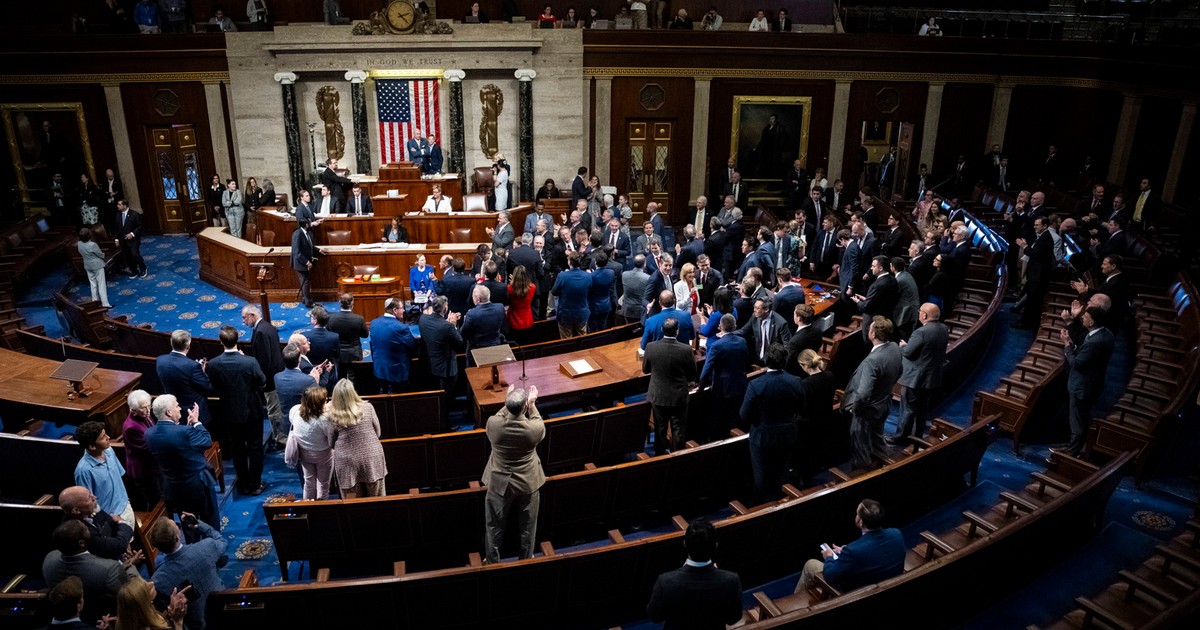
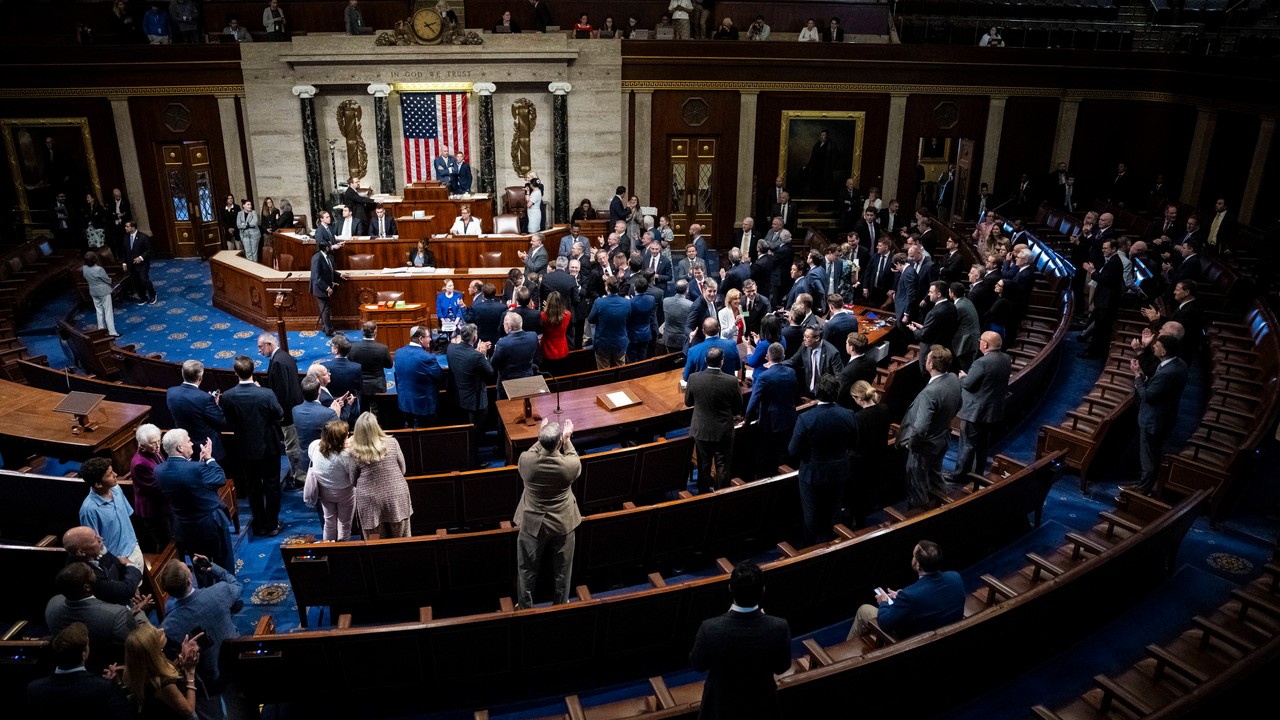
Pursuant to the law, the constituencies designated after the census in 2020 were to apply to the next list in 2030. The authorities of some states announced, however, that they would try to make changes in the coming years.
The impulse came in June from US President Donald Trump, who called for such a trial in Texas. In August, Texas Governor Greg Abbott convened a special session of the State Parliament to pass a new, conducive to republican map of constituencies. The answer is to be changes planned by Democrats in the states they control.
In California, the Gavin Governor proposed a referendum initiative to allow the state legislatu to change the boundaries of constituencies, and signed two laws in this matter. The changes are to help democrats to win five additional seats in the House of Representatives of the USA.
According to Reuters Similar actions can also be taken in Missouri, Ohio and Florida (where the majority has a republican party in state parliaments), which could provide republicans with additional seats in the House of Representatives. The Democratic Governor of New York Kathy Hochul announced that she would “fight the same weapon”.
What is gerrymandering?
Gerrymandering – manipulating the boundaries of constituencies for political benefits – has been known from the beginning of the USA. The name comes from one of the founding fathers, Elbridge Gerry, who in 1812 as the governor of Massachusetts approved the map of constituencies with such deformed shapes that the opponents compared one of the districts to … Salamandra. The name “gerrymandering” came from the combination of the words “Gerry” and “Salamandra”. In the following decades, this practice was used not only for party fighting, but to limit the influence of African Americans after adopting in 1870. 15. Amendments to the US Constitutionprohibiting the receipt or restriction of voting right on the basis of a race.
Today, GerryMandering has also gained new strength thanks to computer programs that allow you to draw thousands of electoral map variants with surgical precision.
The Brennan Center for Justice center emphasizes that after the 2020 universal census, Republicans controlled the process of determining the boundaries of constituencies in a larger number of states than Democrats and used it to create maps that gave them an average of 16 additional fines compared to honest standards.
After the judgment of the US Supreme Court in the 2019 case (Movement v. Common Cause), federal courts may not consider complaints about gerrymandering, which has opened the way for more aggressive manipulations.
Reformers indicate that one of the solutions are independent committees, used, among others in Michigan, Arizona or Colorado. Studies show that maps created by such committees contain almost twice as many “competitive districts” – in which there is real political competition – than those prepared by state legislatures.
Gerrymandering a threat to democracy
The Campaign Legal Center (CLC) emphasizes, however, that as long as politicians have the opportunity to independently determine the boundaries of districts, elections may reflect the interests of the party, not the distribution of citizens' voices. In the opinion of CLC experts GerryMandering facilitates politicians and parties to consolidate power and win elections at the expense of voters and democracy.
For democracy, this means serious threats – it limits real election competition, forces candidates to focus on a party electorate instead of all over society, and thus deepens political polarization.
“The election day (…) is the foundation of democratic governments. Gerrymandering party can deprive him of significance,” warned the Supreme Court judge Elena Kagan.
Experts point out that manipulating the boundaries of constituencies weakens voters' votes, hindering communities to choose leaders reflecting their needs and priorities.
According to the Think Tank Brookings Institution analysis, candidates for political offices often present more radical positions in districts covered by gerrymandering. As a result, “an even smaller part of voters go to elections, because those, discouraged by the lack of real choice, feel that their voice does not matter.”
According to the Reuters/Ipsos survey 55 percent Americans believe that gerrymandering is “bad for democracy” and 57 percent. He is afraid that democracy in the USA is threatened. Such a belief is shared by eight into 10 voters of the Democratic Party and four out of 10 supporters of the Republican Party.