First since start of Iran war: Liquefied gas ship passes through Hormuz as goodwill gesture for two mediating countries

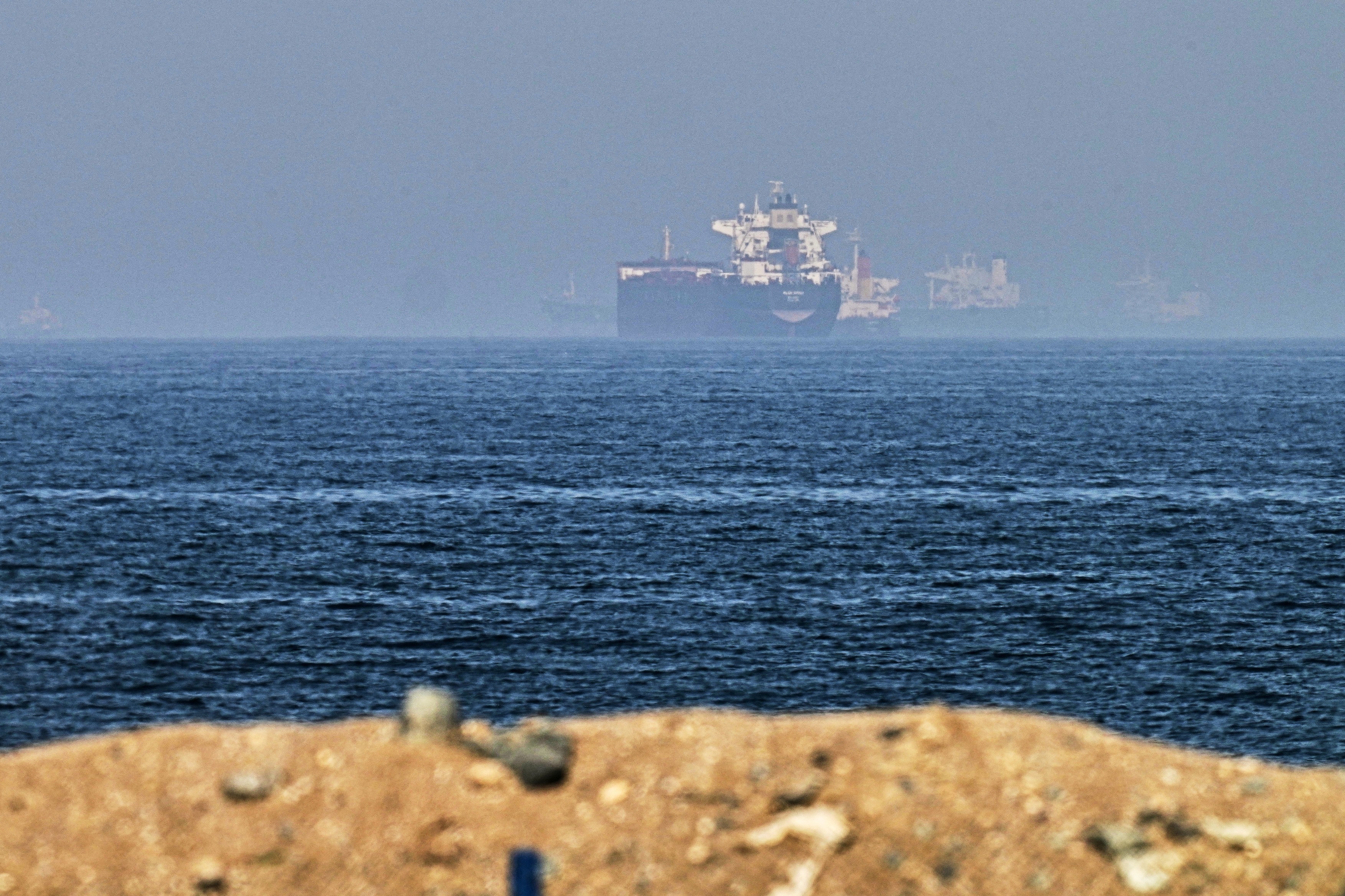
A liquefied natural gas tanker from Qatar crossed the Strait of Hormuz on Sunday for the first time since the outbreak of war with Iran, heading for Pakistan, but Tehran threatened countries enforcing US sanctions that their ships would have trouble doing the same, according to international news agencies.
After about 48 hours of relative calm following last week's sporadic clashes that rocked a month-long truce, Kuwait detected more hostile drones in its airspace early Sunday, authorities said.
But the Al Kharaitiyat, operated by QatarEnergy, has safely crossed the strait and is on its way to Pakistan's Port Qasim, according to data from maritime analytics firm Kpler, the first Qatari liquefied natural gas ship to cross the strait since the US and Israel went to war on February 28.
According to Reuters sources, the Qatari transport, which is providing a breath of fresh air to Pakistan after a series of blackouts caused by the shutdown of vital gas imports, was approved by Iran to build confidence with Qatar and Pakistan, both mediators in the war.
Iran threatens US allies
But Iranian authorities warned on Sunday morning that countries enforcing US sanctions against the Islamic Republic would face difficulties crossing the Strait of Hormuz, the strategic sea route for global hydrocarbon trade.
The reaction came after the US government announced on May 1 new sanctions against Iranian interests and warned ships that would pay the authorities in Tehran to cross the strait.
“We have established a new legal and security device in the Strait of Hormuz. From now on, any ship that wants to cross it will have to coordinate with us,” Mohammad Akraminia, the army chief, told the official IRNA news agency.
This device “now in place” will bring “economic, security and political benefits”, he added.
“Countries that join the United States in imposing sanctions on the Islamic Republic of Iran will certainly have difficulty crossing the Strait of Hormuz,” he threatened.