
Tragedies of Common Sense: Why More Parents Are Withholding Vitamin K for Newborns and the Irreversible Neurological Consequences

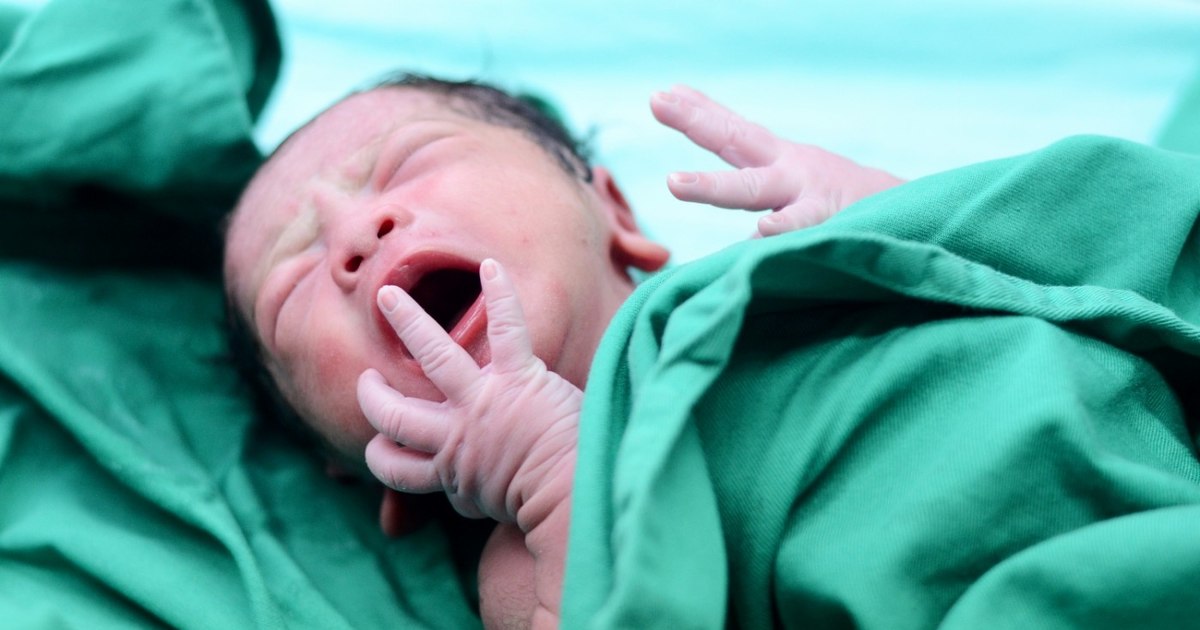
More and more Americans are refusing to give their newborns vitamin K injections — a standard, cheap, and safe procedure — leading to completely preventable tragedies like brain bleeds, irreversible damage and even infant death, according to a ProPublica investigation.
Photo credit: Shutterstock
One of the simplest and oldest protocols in neonatal medicine has begun to kill by its absence. More and more parents in the United States are refusing vitamin K injections given to newborns immediately after birth, convinced by theories without any scientific basis spread on social media and in podcasts, and the consequences translate into brain hemorrhages in the little ones, permanent neurological damage and, in some cases, the death of children who seemed perfectly healthy at discharge.
The phenomenon was documented by ProPublica, which details several cases in recent years: a seven-week-old Maryland boy hospitalized with severe seizures, an Alabama girl who stopped breathing for twenty seconds at a time, a Texas newborn who began bleeding around the navel before he was two weeks old. Doctors tried transfusions, resuscitation, emergency neurosurgery. In many cases, it was too late. Autopsies indicated the same cause each time: severe vitamin K deficiency.
Injections refused by parents and hemorrhages that kill apparently healthy babies
All newborns come into the world with very low levels of this vitamin, which is essential for blood clotting, and mother's milk does not contain enough to compensate for the deficiency in the first weeks of life, draw the attention of specialists. For this reason, American Academy of Pediatrics has been recommending the injection since 1961 as part of standard maternity protocols alongside hepatitis B vaccine and an antibiotic eye ointment.
According to the specialists cited in the investigation, babies who do not receive vitamin K have an 81 times greater risk of developing severe hemorrhages, and the data Centers for Disease Control and Prevention shows that one in five children die.
However, the number of parents refusing the procedure has increased dramatically. A study published in the medical journal JAMA shows that more than 5% of newborns in the United States did not receive vitamin K in 2024, which is an alarming 77% increase from 2017. Also, several hospitals reported that the number of parents refusing to inject their children with vitamin K has doubled or even tripled since the COVID-19 pandemic, and in some medical facilities in the state Idaho the rate reached almost 20%.
The reasons cited by parents are almost always the same: the desire to protect the child from “toxic substances” and the belief that the injection is unnecessary or even dangerous. Claims that vitamin K causes leukemia or cancer have been circulating on conservative Facebook groups and podcasts for years, theories that have been disproved by decades of medical research and that no serious study has ever confirmed. ProPublica's investigation also mentions an episode by conservative commentator Candace Owens, who questioned the necessity of the procedure in front of an audience of millions. Some parents have been convinced by midwives or influencers that delaying the cutting of the umbilical cord can replace the injection, a claim that medical studies categorically contradict.
'After everything I've done for you': How parental love turns into emotional blackmail
Doctors explain how the long-term success of this preventive measure paradoxically created the conditions for the current mistrust. “We are victims of our own success”said Dr. Ivan Hand. “Because we hardly ever saw such hemorrhages anymore, people began to believe that the disease did not exist.” It's a well-known behavior in public health: the better an intervention works, the more abstract and easier to deny the danger it prevents.
Two of the families who lost their children to the injection refusal later accepted the procedure for subsequent newborns, according to the investigation. US authorities do not officially monitor vitamin K injection refusals or associated bleeding cases, meaning the true extent of the phenomenon remains unknown. Dr. Robert Sidonio Jr. called for a national reporting system: “If you don't watch the phenomenon, you can't understand it and you can't combat it.”
The injection costs only a few dollars and takes a few seconds, and its absence can kill a child in a matter of weeks.
What vitamin K discussions look like on parenting forums
On Reddit, in the BabyBumps community, discussions about the vitamin K shot show how confused many prenatal parents are and how much misinformation circulates online.
For example, in one post, an expectant mother asked if she should accept the injection for her child, saying that she had heard both positive and negative opinions about the procedure and was still undecided about whether to allow it.
The comments came quickly, with most users trying to explain that vitamin K is not a vaccine, but an essential vitamin that helps blood clot properly, given precisely to prevent internal bleeding in newborns.
Several users have warned that refusing the procedure can have dramatic consequences. One commenter was adamant that “there are no downsides, only upsides” and that vitamin K helps prevent any uncontrolled internal bleeding, adding that “they are simply vitamins, not chemicals, and they save lives.”
In such discussions on social networks, people from the medical system often intervene, who emphasize that refusing the injection is a dangerously absurd decision, recalling that the lack of vitamin K can cause catastrophic intracranial hemorrhages in the first months of life, a rare but potentially fatal condition. Other parents have recounted, in various online spaces, that they were initially influenced by podcasts, Facebook groups or influencers promoting “natural” births without interventions, but gave up the idea of refusal after understanding that it was only a vital protection measure for their child.
The discussions perfectly reflect the phenomenon also described in the investigation published by ProPublica: a toxic combination between the fear of so-called unnecessary interventions, distrust in the medical system and the avalanche of false information distributed online about one of the oldest, safest and simplest procedures in neonatal medicine.


