Ukraine's ambassador to London reveals Moscow's tactics: “Russian diplomats, like their generals, aim to wear you down and confuse you. We need to train negotiators like soldiers”

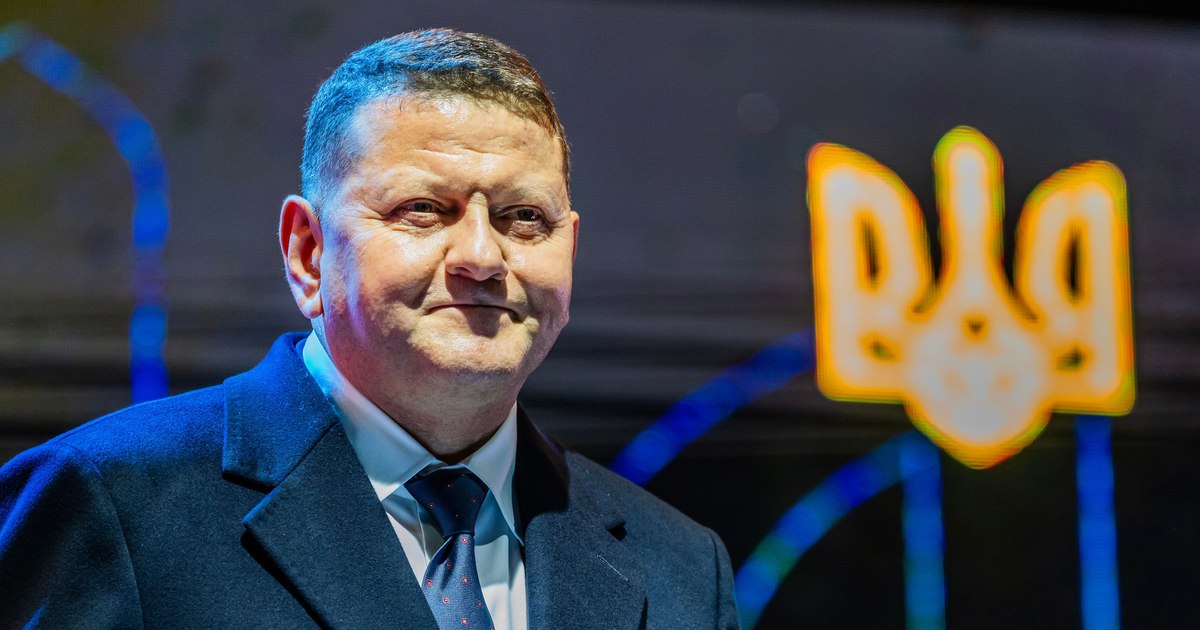
Valerii Zalujnyi, Ukraine's ambassador to London, did not come with conspiracy theories, but with a cold observation: the Kremlin is turning diplomacy into a trap. In a text for The New York Post, he accuses Moscow of using “exhaustion tactics” — negotiations not as a space for dialogue, but as an extension of war.
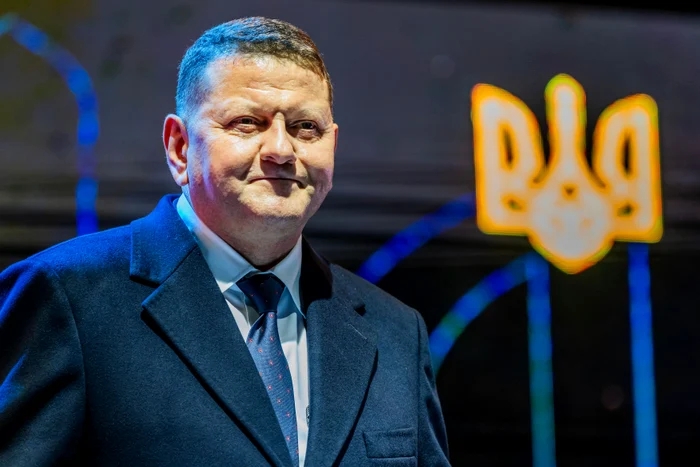
Valeri Zalujnîi, former head of the Ukrainian army, currently ambassador to Great Britain/FOTO:X
“The Russian negotiators, like their generals, aim to exhaust you and confuse you. We have been fighting for survival for 11 years. And yet some in the West are asking us to negotiate with people who have come to kill us.”writes Zalujnîi, without arrangements.
Two nuances ignored in the West
The diplomat pointed out two observations that, he says, the West overlooks: the stake is not only Ukraine — it is the security of Europe; and any “peace” that rewards aggression becomes an invitation to new wars. Briefly translated: premature concessions to Moscow are not solutions, but catalysts for new conflicts.
Zalujnii warns that Russia only comes to the negotiating table when it is pressed — and that is precisely why hasty calls for a broad and quick agreement are “dangerously premature.” “True peace means you don't sign the paper while Russian missiles are still killing civilians,” he points out.
Old lessons, new tactics
The ambassador is not shy to return to history: he evokes the figure of Andrei Gromîko, the former Soviet Foreign Minister, the man who, Zalujnîi says, laid the foundations for the strategy of procrastination and wearing down the opponent. The next? The same practice continued today by Sergey Lavrov: long monologues, custom-chosen quotes, smoke and mirrors meant to distract attention and postpone responsibility.
More directly: the Russian foreign ministry functions as an extension of the Ministry of Defense — buying time for retooling, cultivating division among allies and using international institutions as a cover for aggression. Diplomacy, in this key, does not resolve conflicts — it instruments them.
Manipulation scheme: fatigue, confusion, moral relativism
The description is clear and without artifice: meetings with Russian representatives follow a pattern. First, it floods adversaries with false information and unnecessary details, forcing them to expend time and resources to dismantle the lies. Then he applies the recipe of relative morality: he accuses others of what they themselves commit — colonialism, hypocrisy, double standards. Aggression becomes “reaction”, occupation becomes “protection”. The goal? The decision-making paralysis of democracies.
“We have to train negotiators like soldiers”
Zalujnî's conclusion is simple, but sharp: Russian manipulations must be anticipated and the initiative must be maintained. “We must train our negotiators as severely as our soldiers… But diplomacy is only effective when it is supported by force”warns the ambassador.
It is not the first time that Zalujnîi hits the target. Two years ago, the general signaled in The Economist the importance of technological innovations in future wars — a signal dismissed by some as utopian. Time has shown the opposite: his predictions have come true with a rapidity that is not reassuring.
And, finally, the curtain rises on the essential questions: how do we capitalize on new technological opportunities without exposing ourselves to risks? What measures should be taken at the state level? What changes are necessary in the army, in the mentality of the commanders and in the behavior of the soldiers, in order to end the war in the most advantageous conditions for us?
Zalujnîs do not offer magic recipes. However, he makes the most peremptory of observations: without vigilance, without preparation and without force — diplomacy becomes a trap. And the traps, when they come from someone who knows how to lay them for decades, do not forgive.