The story of the shipwreck that inspired the movie “Jaws”, where 150 sailors were eaten alive after the American warship sank


The USS Indianapolis was torpedoed in 1945, leaving about 900 sailors in shark-infested waters. Only 316 of them survived.
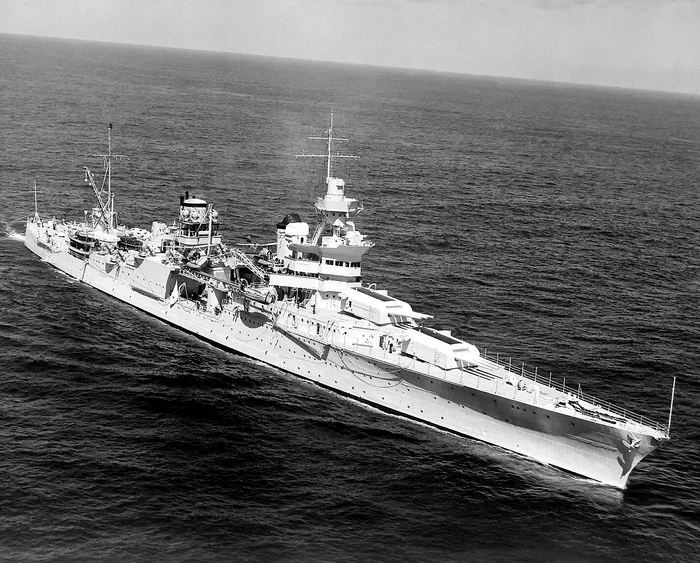
USS Indianapolis cruiser/PHOTO:X
The cruiser USS Indianapolis had completed its secret mission: transporting components of the first atomic bomb across the Pacific.
But, on the night of July 30, 1945, triumph turned into tragedy. Two torpedoes launched by a Japanese submarine hit the ship, which sank in just 12 minutes.
Of the 1,196 people on board, about 900 managed to jump into the water. Survival at sea, however, was only the beginning of a nightmare.
Fight for life in shark-infested waters
Wounded, in shock and without enough life rafts, the survivors faced a cruel fate. The scorching sun and the lack of drinking water tormented them. Then came the sharks.
“Every now and then, like lightning, a shark would come and grab a sailor, pulling him into the depths,” survivor Loel Dean Cox told the BBC. “One came and took the sailor next to me.”
The sharks, attracted by the explosions, blood and desperate movement of the sailors, formed a deadly circle. The exhausted men tried to repel the attacks, sometimes using the bodies of the dead to protect the living.
Rescue failure
The US Navy did not know that the Indianapolis had sunk. The ship had not been reported missing and the SOS signals had not been taken seriously.
For three whole days the survivors remained in the water, unaware that no rescue craft was on the way.
It wasn't until the fourth day that a patrol plane spotted groups of sailors. A rescue operation was launched and a seaplane landed right in the area, boarding the survivors. A destroyer, USS Cecil J. Doyle, arrived later.
Aftermath and rehabilitation
Of the approximately 900 sailors who had entered the water, only 316 were rescued. The ship's captain, Charles B. McVay III, was investigated and convicted in the tragedy, although the commander of the enemy submarine testified at trial that no evasive maneuver could have saved the ship.
The sentence haunted McVay for the rest of his life. He committed suicide in 1968. It wasn't until 2001 that the US Navy officially rehabilitated his name.
The wreck of the USS Indianapolis was found in 2017, more than 5,000 meters deep in the Pacific Ocean, where an underwater grave and memorial to those who lost their lives remains.
The tragedy is remembered as one of the worst US naval disasters and, as experts note, the deadliest shark attack in history. His story also served as the inspiration for Quint's famous monologue in the movie “Jaws”.