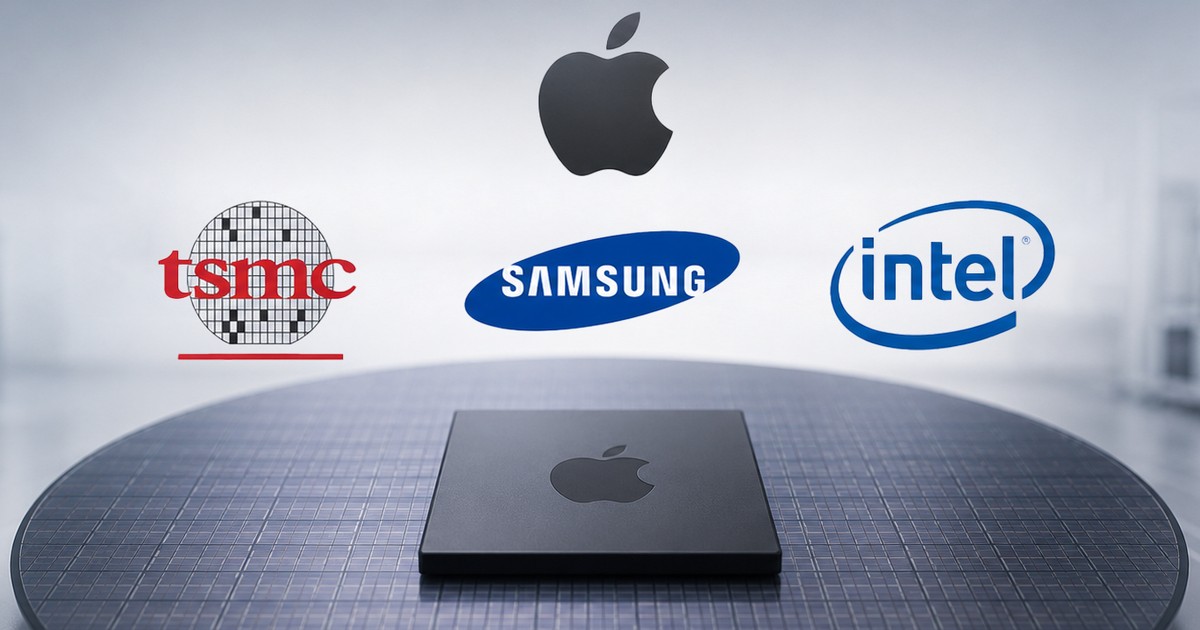
According to a Bloomberg report, Apple is talking to Intel and Samsung about producing their proprietary chips. The manufacturer held preliminary talks with Intel, and some key executives also visited Samsung's upcoming factory in Taylor, Texas, which is scheduled to begin operations later this year. None of the talks have resulted in any specific orders so far.
Concerns have been raised about the use of third-party technology in Apple products. TSMC has been producing Apple chips for iPhones for almost 12 years – since the A8 processor found in the iPhone 6 and iPhone 6 Plus. Also highly respected in the technology industry, proprietary Apple Silicon M series chips also produced by TSMC.
Apple Silicon M1
|
Apple
However, the global expansion of AI infrastructure is negatively impacting the company. Apple CEO Tim Cook admitted that Apple is limited by supplies of advanced chips from TSMC. Worse still, Jensen Huang, Nvidia's CEO, said his company had dethroned Apple as TSMC's top customer and even suggested that Apple might be forced to pay more for its chips. Supposedly, it happened earlier Apple considered using the Intel 18A process to build future M-series chips, especially as global geopolitical events threaten supply chain stability.
Common history
If we look at the history of components in Apple products, we can easily see that both Samsung and Intel have worked closely with the company for years in the past. The first iPhonesi.e. 1st gen and subsequent 3G and 3GS models were based on Samsung processors.

Apple iPhone 1st generation
|
Paul Sakuma/Associated Press
However, the subsequent iPhone models 4, 4S, 5 and 5S were based on the first ones Apple's proprietary A family chips (from A4 to A7), but still manufactured by Samsung.
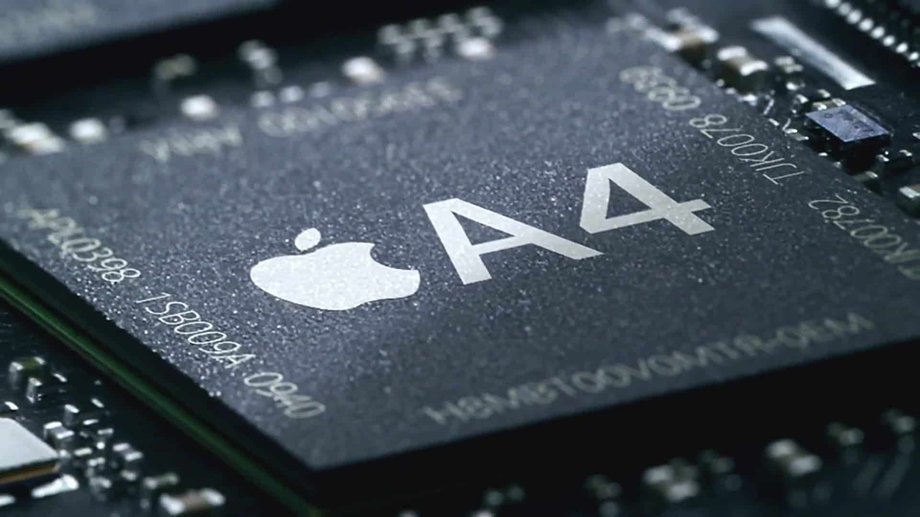
Apple A4 layout
|
Apple
Only since the A8 chip in the 2014 iPhone 6, Apple chips are made by TSMC. Interestingly, the A9 chips for the 2015 iPhone 6S were manufactured by both TSMC and Samsung. It was then noticed that under high CPU load copies with A9 chips from Samsung (despite the newer lithographic process) were characterized by shorter battery life than versions with A9 processors from TSMC; browsing times for websites and graphics did not differ significantly.
Apple's cooperation with Intel is even longer. In 2005 and 2006, Apple decided to switch Macintosh computers from the PowerPC processor architecture from IBM to the much more popular x86 architecture and Intel processors.
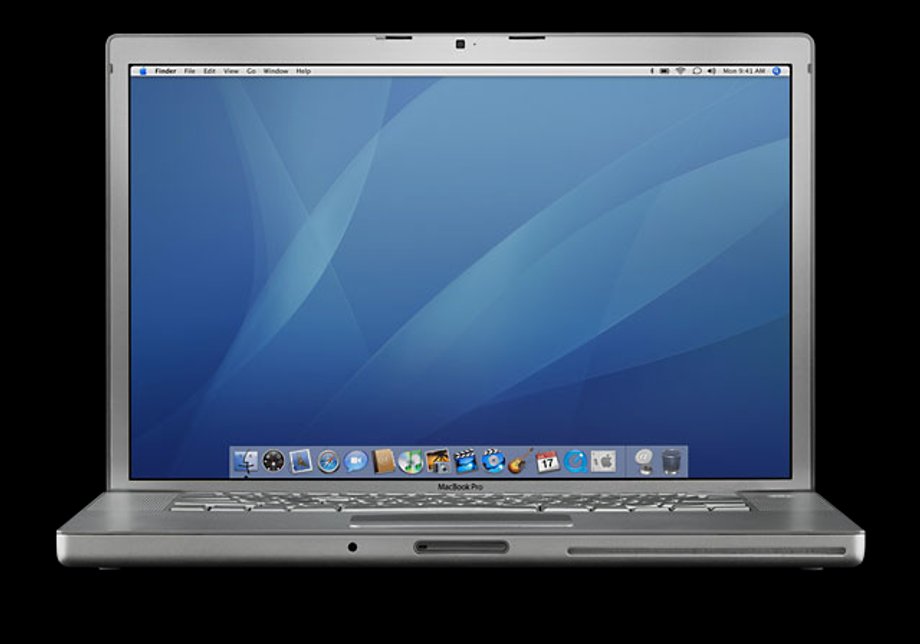
Apple MacBook Pro 15″ (Early 2006) – the first MacBook Pro with an Intel processor
|
lowendmac.com
Since then, for 14 years, all iMacs, Macs, Macbook and Pro laptops used Intel chips. This collaboration, while necessary, was definitely not ideal, especially for Apple. The company, using the knowledge acquired while designing iPhone chips, decided to switch to the ARM architecture known from smartphones. Based on A14 Bionic chips (iPhone 12), it created the M series, also produced by TSMC. M1 systems offered significantly higher performance and energy efficiency than any Intel chips. Between 2020 and 2023, devices with Intel processors were gradually replaced by newer models.
For the benefit of all
If the talks are successful, Apple will resume cooperation with one or both companies. This would be a huge success for Intelwhich is trying to land a large customer for its factory division – something it turned down in 2011 when Apple first turned to Intel for support in producing its proprietary chips. Such the solution could also strengthen Samsung's business and position in terms of factories, which is a distant second to TSMC. Simultaneously this would reduce the risk that Apple would have to rely on a single supplier for most of its advanced chips.
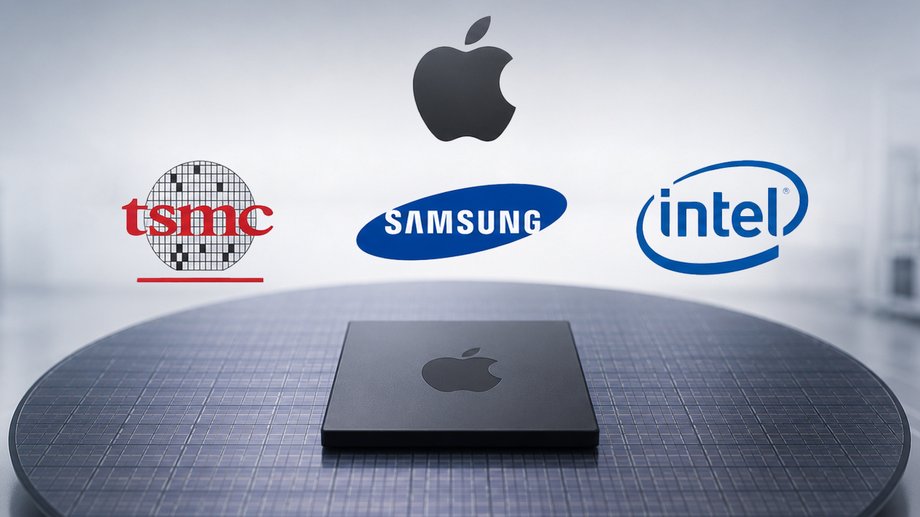
Will chips for Apple be produced by 3 manufacturers?
|
AI / Onet
Tim Cook, until recently Apple's CEO, has been well aware of TSMC's situation for years. Back in 2022, he told employees at a staff meeting that “regardless of what you may feel and think, 60% of production from anywhere is probably not a strategic item,” referring to Taiwan-focused chip production, which has likely been further accentuated by the AI-related chip shortage.
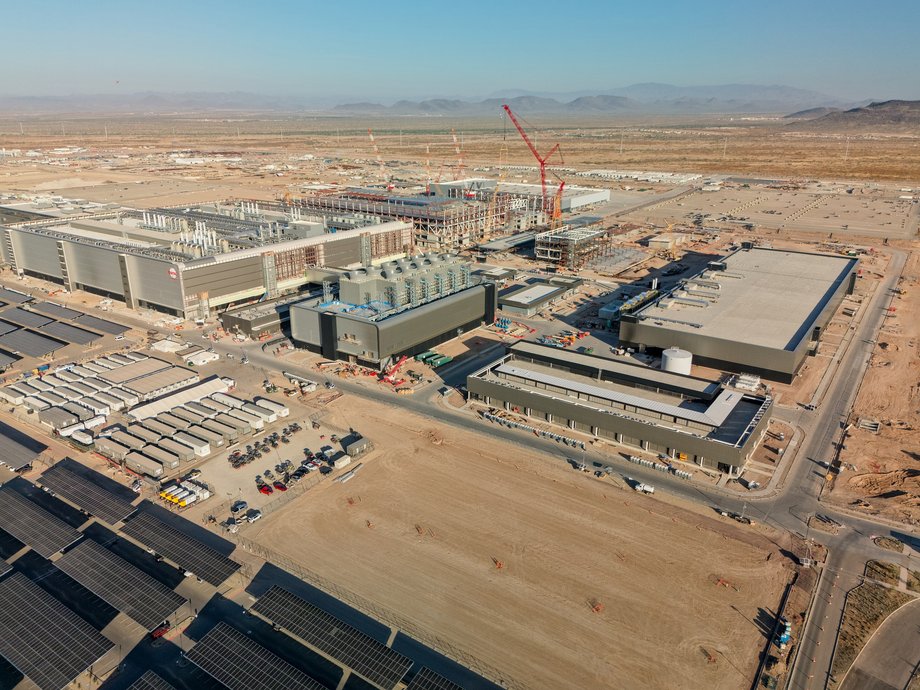
TSMC plant in Phoenix
|
TSMC
Since then Apple is working closely on the expansion of the TSMC factory in Phoenixwhere it currently produces a limited number of chips. Apple, however, quickly increases the pace of work, declaring that in 2026 it will receive 100 million chips from Arizona. This would still cover it though just a fraction of Apple's total annual device shipments. Most of the chips would still be manufactured in Taiwan, and management remains concerned about the potential supply disruptions in the event of a Chinese invasion.
Like other technology companies, Apple is also struggling with memory chip shortages. However, Cook said that finding enough core processors – SoCs – is now a bigger challenge. “The main limitation is the availability of advanced nodes (technological processes) on which our SoCs are produced, not memory,” said the former CEO of Apple during a press conference on the company's financial results. “I believe it will take several months to achieve a balance between supply and demand,” he added. However, even if Apple were to strike a deal with both Intel and Samsung today, it would take a long time to start production, and consumers would only feel the effects for several months, if not years.