For over 2,000 years, the indigenous people of this part of Mexico have been collecting salt by hand. Currently, however, half of these salt pools are abandoned. Unlike table salt, this artisanal variety is unrefined and produced in small batches.
However, this work is not very profitable and many producers cannot afford to continue the tradition. Those who do so often work alone in a last-ditch attempt to save their legacy.
I would die if someone took this job away from me
– says Juan Diego Hernández Cortés, salt producer.
Read also: Tires get a second or even third life. A modern process is changing the automotive industry [WIDEO]
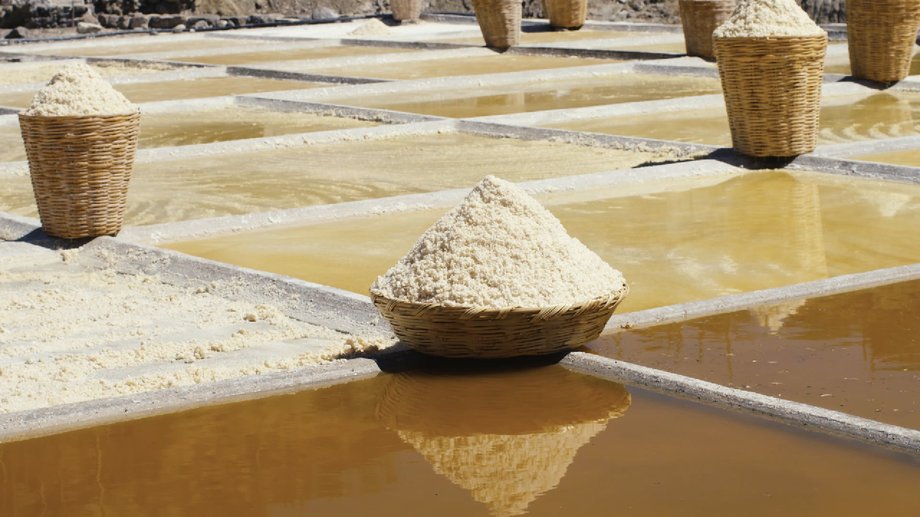
The process of hand-collecting salt from 2,000 years ago has survived to this day
|
Business Insider
What does manual salt collection look like?
We visited Zapotitlán Salinas to see how one of the salt producers still operates. Juan Diego Hernández Cortés works completely alone on his land seven days a week.
“It's not cost-effective to hire an extra person,” says Juan.
The mountains in this region were once covered by the sea, so they are full of salt deposits. When it rains, the water carries salt into natural wells. Juan then collects it.
— Each spring has a different salt concentration. None of them are the same, he says.
The Juan carries approximately 18 kg of salt water over the rocky hills. He does it barefoot to get better grip.
He fills one of the artificial pools and cleans the other in preparation for the filtration process. He then pours all the water into the cleaned pool.
“The water stays here for a day or two. The mud settles and sediment forms, he explains.
Juan gradually transfers the water back to the empty pool through the mesh bag.
– I do this to filter out the dirt. Purified water goes to a place where it crystallizes, he adds.
The liquid remains there for at least five days, evaporating in the sun.
Salt layers begin to form. They crystallize on the surface. We pour water over it from the same square using a small bowl, and layers of salt accumulate below
– explains the man.
A new layer crystallizes every day. When there are enough of them, Juan collects the crystals with a shovel and arranges them into a mound.
He uses his feet to break up large pieces that are not very sharp when wet. He then arranges the salt in a basket that acts like a colander, draining out all the moisture. The salt takes four or five days to dry in the sun.
Read also: The most expensive mushroom in the world is on the verge of extinction. What happened?
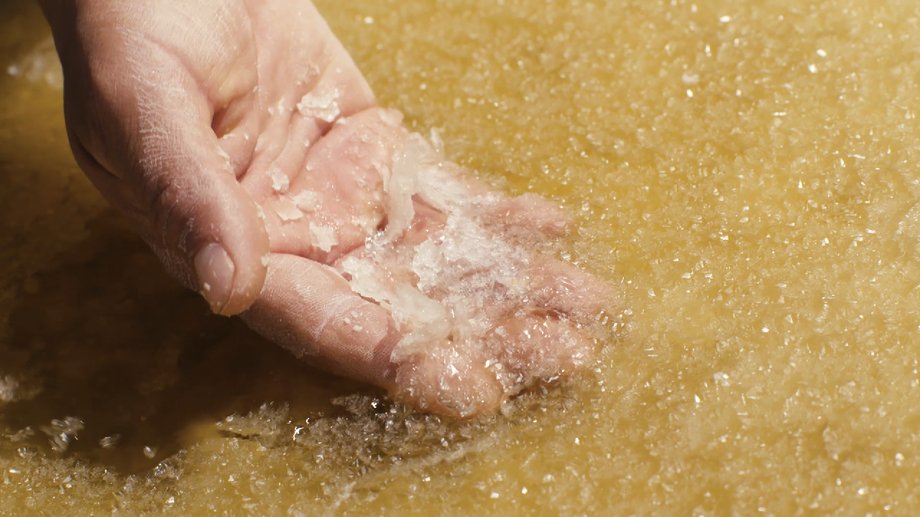
Hand-picked salt is valued for its unique taste
|
Business Insider
How much does hand-picked salt cost? This is what sets it apart
After cleaning and packaging, Juan sells it to local residents for about 10 pesos (approx. PLN 2) per liter. Higher quality salt is sold to restaurants and tourists for 30 pesos (approx. PLN 6) per liter.
Artisanal salt of this type is desired due to its unique taste and natural properties.
There are no chemicals in it, only minerals left by the sea millions of years ago
says Juan.
Such characteristics cannot be found in industrial salt, which is often extracted from underground deposits and processed to remove certain minerals and add preservatives.
Juan also produces salt for cattle. It is drier and bitter than salt intended for humans. It also requires additional mixing and grinding using a stick made from agave.
It can take two months to reach this stage of salt production for cattle. However, constant weather conditions are crucial for the entire production of Juana salt. That's why he only collects it during the dry season.
If it rains heavily, I may lose everything. The salt will simply dissolve. Nowadays, the climate is changing and rain can come at any time
says Juan.
Juan sells about three tons of salt for cattle and salt for people every six weeks, earning about 2,500 pesos or PLN 500 per week.
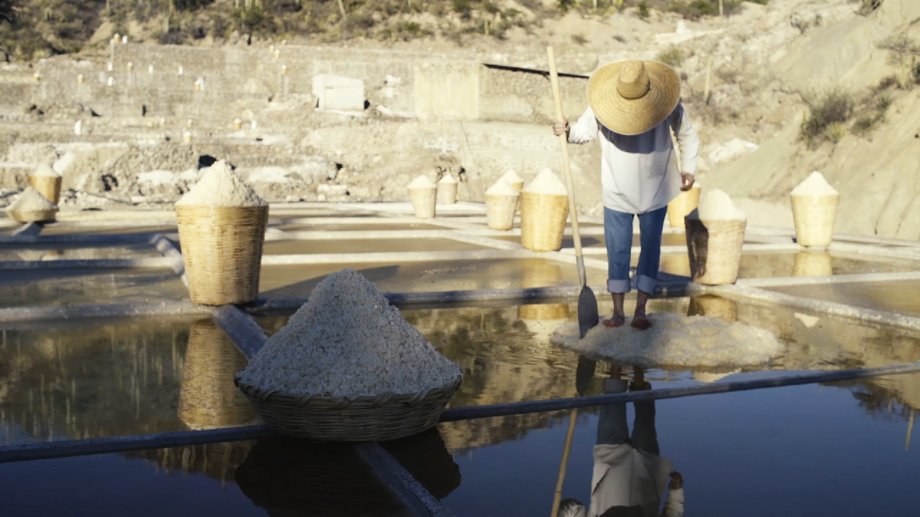
They have been making salt the same way for 2,000 years.
|
Business Insider
The craft is passed down from generation to generation
Juan learned the craft from his father, who in turn learned it from his father. He has been spending long days here since he was 6 years old.
— When I was young, I asked my father: “Can we go back now?” He said: “Not yet. First we need to hear the crickets.”. I love it because it's my heritage and I've spent my whole life here. “It's all I have,” Juan recalls.
The city of Zapotitlán is located in the state of Puebla and was flooded by the sea 50 million years ago.
The sea left behind deposits of salt, which indigenous people began mining at least 2,000 years ago by heating salty water in clay vessels.
In the 16th century, evaporation of water from brine became a more efficient and widely used method.
The boom in salt production and the development of Zapotitlán's economy occurred in the late 19th century, when travelers passed through the city along the historic El Camino Real route.
However, after the Mexican Revolution in the early 20th century, the indigenous inhabitants of Zapotitlán lost half of their lands. Moreover, many young workers who went to war never returned.
Currently, there are about 60 salt producers left. Juan, 41, is one of the youngest. He says that Zapotitlán salt is currently undervalued.
People don't know salt and don't appreciate it. They don't pay as much as they should. It's hard for producers to make a living
– claims.
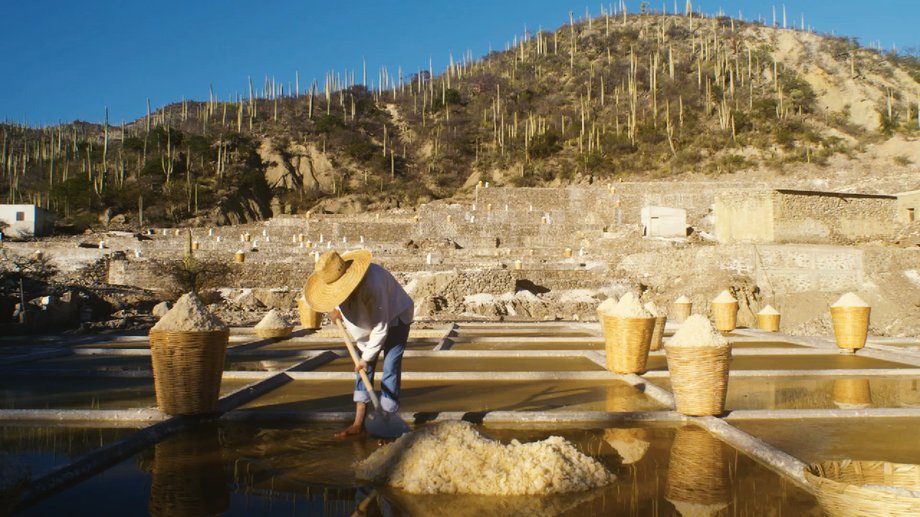
The tradition of mining salt by hand may not survive
|
Business Insider
Many property owners cannot afford to maintain salt pools
Local indigenous laws prevent them from selling salt to people outside the community. Therefore, half of the land remains unused.
— Many swimming pools are in ruins. People are unable to make a profit, much less rebuild or repair their swimming pools. Everything is expensive, says Juan.
Many community members left in search of other jobs.
— Working here is not easy. You can't do it if you want to start a family someday. Our community is small. It has about 3,000 inhabitants, but about 1,000 of them are young people who have gone abroad – he adds.
However, Juan plans to stay and build a better future. It is working with 25 other producers to create a brand that will help them sell salt at a higher price.
Juan hopes that the artisanal salt industry in Zapotitlán will be revived.
I look to the future and I think it will work. People will eat natural and organic food. I imagine that in the future people will buy and value salt, and many young people or even entire families will come back and take up this work
— Juan has visions of the future