The Ukrainian attacks on the port of Tuapse caused Russia more than 300 million dollars in damages

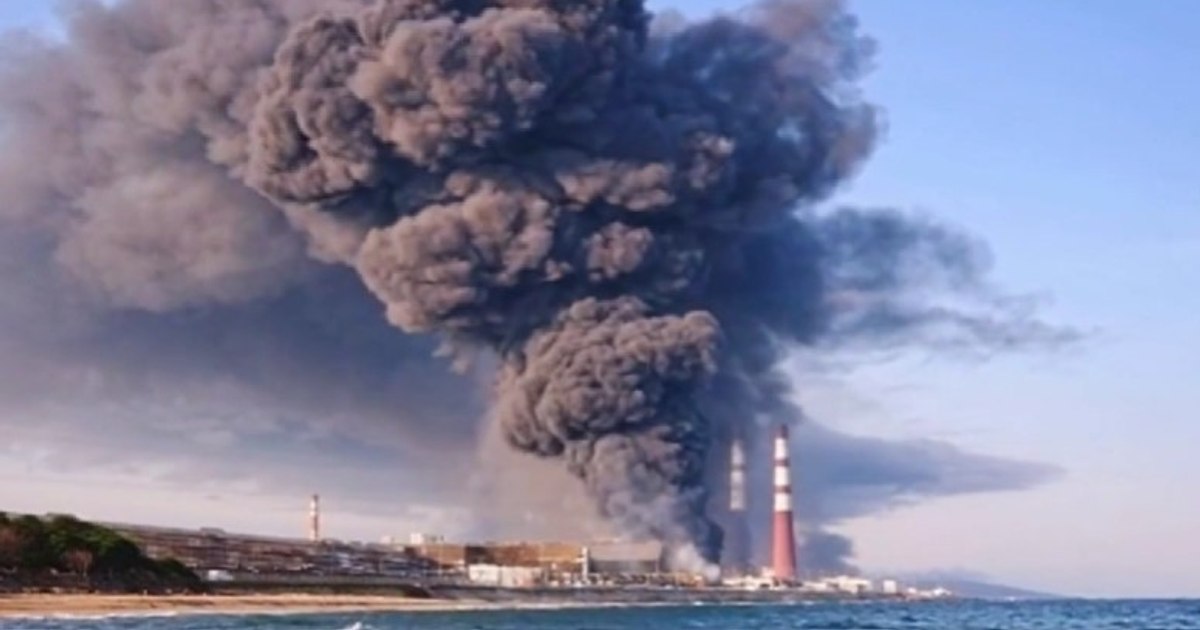
Kyiv estimates that the series of drone attacks launched by Ukraine between mid-April and May 1 on oil infrastructure in the port of Tuapse generated more than $300 million in direct losses, in addition to substantial losses in oil exports, the Kyiv Post reports.
Fire at the refinery in Tuapse PHOTO Capture
According to the General Staff of Ukraine, the strikes targeted both the port infrastructure and the oil refinery in Tuapse, a strategic objective located on the Russian Black Sea coast, and these attacks significantly affected Russia's energy operations and generated significant economic losses.
Ukrainian forces have repeatedly hit the port of Tuapse in recent weeks in attacks designed to degrade Russia's oil refining capacity. The most recent attack, on May 1, targeted the maritime terminal and was the fourth in two weeks. It caused a fire, and the Russian authorities mobilized more than 100 firefighters to put it out.
Previous attacks – on April 28, but also in the first part of the month – caused large fires at the refinery, prompting evacuations and serious concerns about the impact on the environment. Russian officials reported that dozens of fuel tanks were affected, some completely destroyed and others damaged.
Analyzes based on satellite images indicate that several large storage tanks, each with a capacity of tens of thousands of cubic meters, were hit, leading to oil spills and pollution risks along the Black Sea coast.
Ukrainian authorities say the attacks are aimed at weakening Russia's military capabilities as oil revenue is a key source of funding for the war effort.
The city of Tuapse, badly affected by the attacks
The resort town of Tuapse, located on Russia's Black Sea coast, is facing a major environmental problem after drone attacks attributed to Ukraine, NBC News reported.
Beaches covered in oil, thick smoke and a pungent smell have become a worrying reality for residents of the city, known for its picturesque landscapes and the flow of tourists in the summer season. Authorities warned people to stay indoors and keep windows closed as emergency crews battled massive fires at the refinery.
“The smell is everywhere in the city,” said Svetlana, a resident who lives on the outskirts of the city, speaking on condition of anonymity. She evacuated her daughter because of the toxic air, and local authorities ordered schools closed.
Days ago, Kiev said it had struck an oil facility located more than 1,450 kilometers away near the city of Perm – in what Ukrainian President Volodymyr Zelensky described as a “new stage” in the use of Ukrainian weaponry “to limit Russia's war potential”. On the other hand, Russian leader Vladimir Putin condemned the attacks, saying they target civilian infrastructure and could have serious environmental consequences.
The situation in Tuapse comes in a difficult context for the Kremlin, against the backdrop of domestic discontent with the economy, rising prices and increasing restrictions, notes NBC News. Locals say the mood is grim, and many fear for the city's future.
Cleanup efforts are underway, with more than 600 workers mobilized to remove oil from beaches and affected areas. However, the volunteers claim that the reaction of the authorities was insufficient in the first days, and the initial interventions were mostly carried out by locals.
Environmental activist Yevgeniy Vitishko described the situation as one of the worst ecological catastrophes in the region in recent years, warning that the effects will be felt in the long term.
One volunteer, Mira, who was born and raised in Tuapse, said she felt it was her duty to help, so she distributed meals, water and equipment to firefighters battling the flames, as well as aid to animal shelters. “I was shocked because this is my hometown,” said Mira, who also did not want to reveal her full name for security reasons, when asked how she felt about seeing Tuapse in this situation.
Although the toxic clouds had dissipated, she said local beaches and shorelines were covered in oil. A tourist season this summer is “absolutely impossible,” she said, adding that official claims that there are no health risks to residents are outrageous.
The building where her mother and brother live is right next to the refinery, Mira said, explaining that they are permanently evacuating them from the city to the nearby regional capital of Krasnodar. “I feel horror, fear, panic,” she said.