For many, chicken breast is a healthy but tasteless dry meat, but it turns out that way because of our fault. Once you leave the breast on the fire for a couple of minutes, it will become dry and rubbery. But this, as expert Dmitry Zmievsky said, is not all mistakes when cooking meat.
Secret #1: Timing is everything
Cook the breast strictly to the desired condition. Moreover, sometimes it is better to undercook it than to overcook it: the meat will cook after the fire is turned off. And if you keep it in the pan for a few more minutes for your peace of mind, then during this time it will have time to lose most of its moisture.
By the way, once you remove the breast from the pan, do not touch it for 5 minutes – this will help the juices to distribute evenly throughout the meat. If you cut it immediately, the juice will flow out onto the board, and the breast will no longer be juicy.
Secret No. 2: Same thickness
If one edge of the meat is thick and the other is thin, then one half of the breast will be half-cooked, and the other will be dry. There are two options here – beat the breast or cut it lengthwise into two thinner pieces.
In the thickest areas, cuts can be made to ensure even heat distribution.
Secret No. 3: Filigree frying
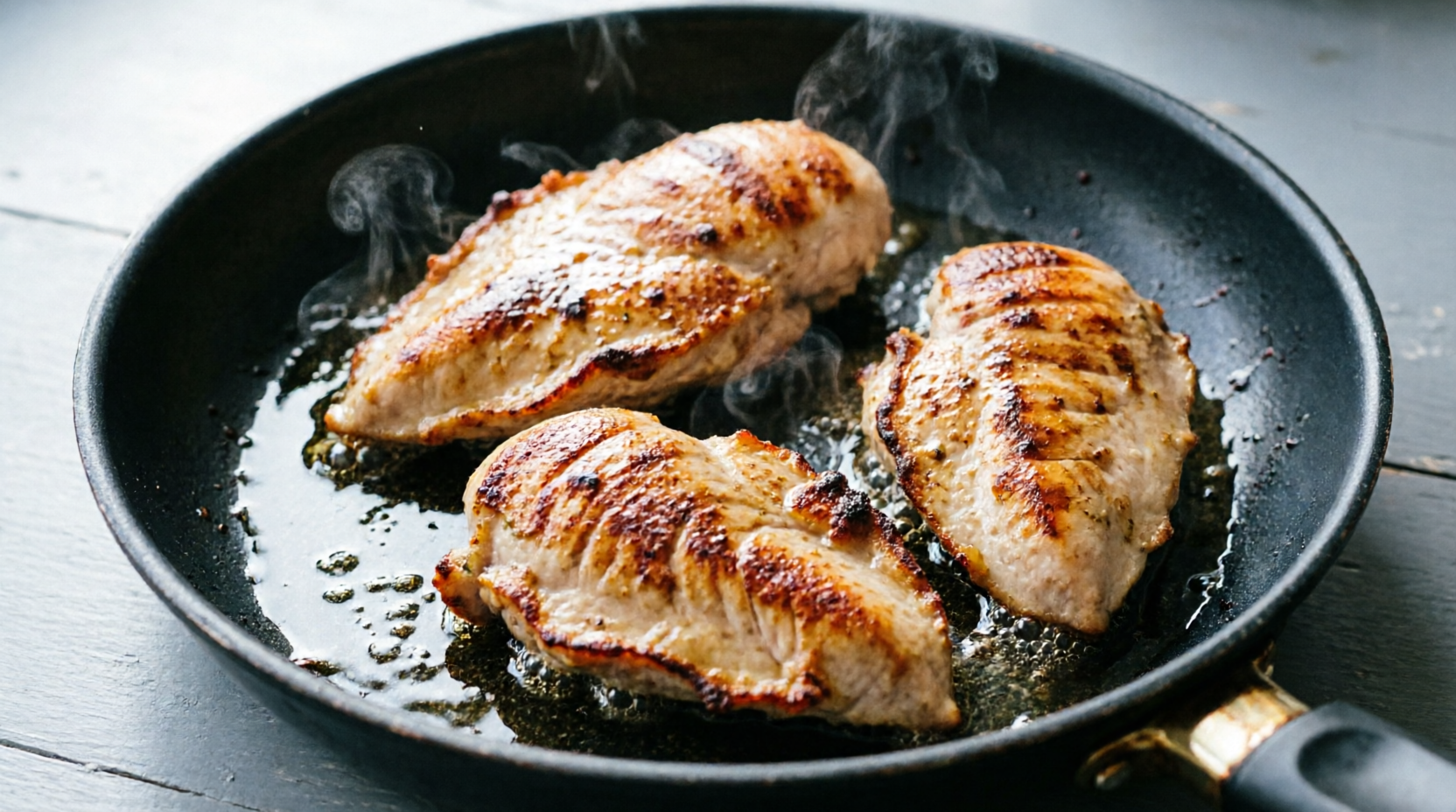
Heat the pan properly, add oil and add the breast. Hissing is a must—without it, the meat will be dry. Fry for 3-4 minutes on each side, being careful not to move the breast. As soon as the crust appears, turn it over and fry on the other side.
You don’t need to put too many pieces of meat in the pan, otherwise the temperature will drop and the breast will simmer. The result is overdried meat without a crust.
Features and nuances
To make sure you don't overcook the breast, bake it at 180°C for 20 minutes.
For serving, you can use different sauces – for example, yoghurt with herbs, cream with garlic or soy with honey and lemon.
Life hack: you need to cut the breast across the grain, not along it – this will make the meat even softer.