
Disruptions to the flow of goods through the Strait of Hormuz, a strategic shipping route, have been described by the International Energy Agency as “the greatest energy security threat in history.” The problems are not limited to oil.
Read also: A supertanker carrying oil has left the Persian Gulf. “Diplomatic success”
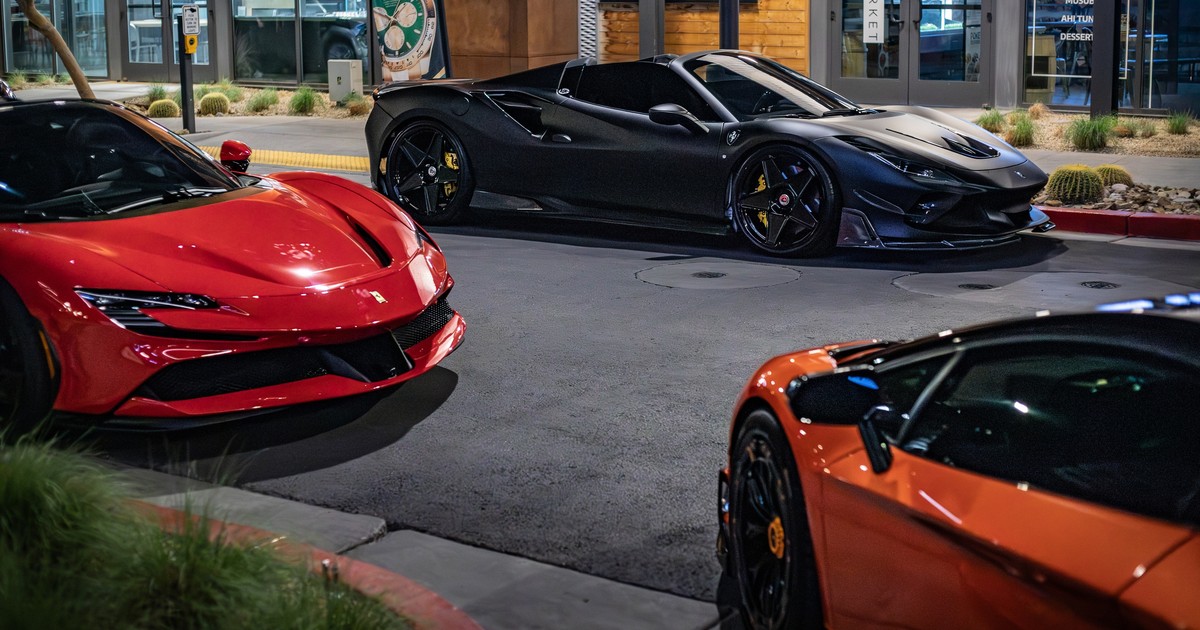
It turns out that the richest part of society, which can afford to buy cars worth millions, will soon not be able to enjoy them. In addition to oil supplies and diesel supplies of base oils, fertilizers and helium were also disrupted. Meanwhile, Group III and IV base oils, such as polyalphaolefins (PAO), are essential for the production of high-performance lubricants that are used in luxury car engines, writes CNBC.
– The name itself suggests that they are the basis of all ready-made lubricants – whether for automotive, industrial, aviation, shipping… Everything that moves needs a lubricant, and this is made from a base oil – said Gabriella Twining, head of base oil pricing at Argus Media, in an interview with CNBC.
Base oil prices are reaching record levels
The war in Iran led to a drastic increase in the prices of base oils. Argus Media quotations indicate that prices of group III oils in northern Europe increased by almost 100%. since the beginning of the conflict. Moreover, disruptions to shipping through the Strait of Hormuz and damage to Qatar's Shell Pearl Gas-To-Liquid facility as a result of Iranian missile attacks further deepened the crisis.
The Persian Gulf region is responsible for 20 percent world production of group III base oilsand in 2023 it even delivered 72 percent supplies to Europe and 47 percent to the United States. South Korea, the world leader in the production of group III oils, introduced export limitsto protect national stocks.
Read also: Deadlock in the Strait of Hormuz. UAE warns: Iran cannot be trusted
Gabriella Twining warns that historic price increases will be passed on to end customers. Also indicates that lack of deliveries within a month can completely stop lubricant productionwhich will affect their availability and prices.
The American market is under pressure
The Independent Lubricant Manufacturers Association (ILMA) warns that approximately 44 percent US base oils tend to come from the Persian Gulf, and the current disruption is already spreading to many sectors. The organization predicts that market pressure will continue at least until 2027.
Holly Alfano, president of ILMA, pointed to three main problems: the exclusion of approximately 40 percent. global Group III resources from the Persian Gulf, restrictions on South Korean refineries and diversion of Group II oils for fuel production.
— The risk is compounded by the fact that we are entering hurricane season — a single storm that hits the Gulf Coast could eliminate 30-40 percent. American production capacity of group II and an additional 10 percent Group III, which will further tighten an already strained supply chain, Alfano wrote in an email to CNBC.
Effects on luxury cars
Supercars, often found in cities like London, Monte Carlo and Los Angeles, are particularly dependent on high-quality base oils. These products must withstand extreme operating conditions such as high speeds, pressures and temperatures. A shortage of these oils can affect the maintenance and performance of these vehicles.
Rico Luman, transport and logistics sector economist at ING, emphasized that the current pressure on the oil market and the large share of Asia and the Middle East in the production of base oils will definitely translate into global shortages. He also indicated that the waiting time for deliveries may be longer, which will further affect prices and product availability.


