2026-04-29 09:00
publication
2026-04-29 09:00
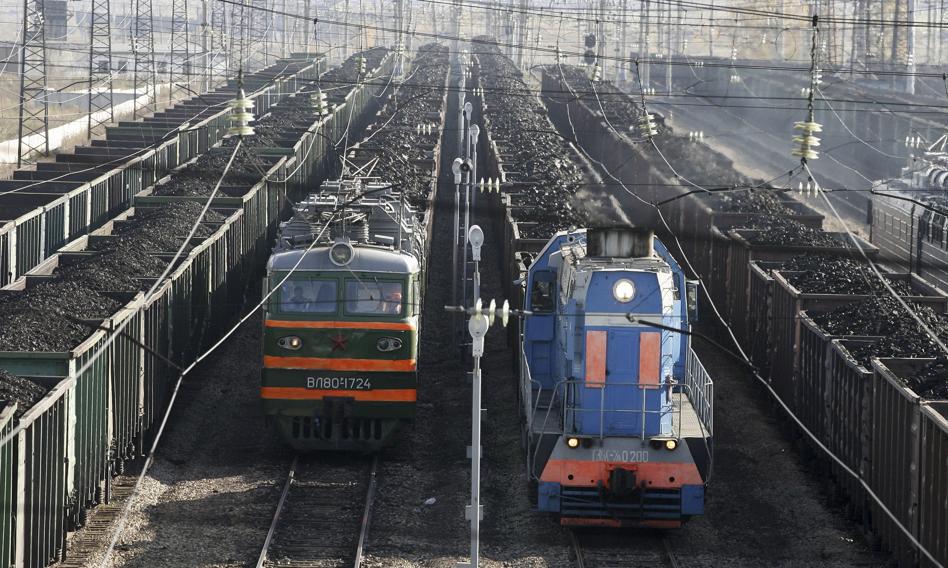
Higher global energy prices caused by the US and Israel's war with Iran have not alleviated the deepening crisis in the Russian coal industry. Analysts and officials warn that the sector will be on track to suffer further large losses next year, we read in The Moscow Times.
The Russian coal sector is sinking into an increasingly deeper crisis, and hopes for an improvement in the situation thanks to the turmoil in the Middle East are turning out to be in vain. Although the US and Israel's war on Iran has led to higher energy prices, the benefits for Russian coal producers are negligible. While Brent oil prices remain around $95 per barrel, contributing significantly to the Kremlin's budget, coal remains in the shadow and the industry is preparing for another year of severe financial losses.
The sector's problems are of a structural nature and have been deepening since 2023, when global coal prices began to slow down. Western sanctions have drastically limited access to key export markets, forcing companies to look for buyers in Asia amid much greater competition.
408 billion rubles in coal losses
In 2025, Russian coal companies recorded a total loss of 408 billion rubles (approx. PLN 20 billion)and nearly two thirds of enterprises in this industry currently operate below the break-even point, which hits regions such as Kuzbas particularly hard. The Russian coal sector employs almost 150,000 people.
Deputy Energy Minister Dmitry Islamov said the crisis in the Middle East would have no “noticeable impact” on coal producers, adding that any “systemic” price changes were unlikely before the end of 2026 or 2027.
In his speech on March 24, about a month after the energy crisis began, Islamov stated that the industry's losses may increase up to 575 billion rubles (approx. PLN 28 billion) this year.
A similar forecast was presented by Alexander Kotov, partner at the Moscow-based consulting company NEFT Research, estimating the sector's losses at between 500 and 550 billion rubles (from approximately PLN 24 to approximately PLN 26.5 billion).
Oil revenues have almost doubled, while coal has lagged behind
Although Russia's earnings from energy exports reached a two-year high in March, coal accounted for just 5.5% of that amount. Unlike oil, which almost doubled revenues, coal profits only increased by 22%, which is not enough to cover rising costs.
One of the main barriers to Russian exports is logistics. The crisis in the Middle East caused an increase in demand for maritime transport and a spike in ship fuel prices, which resulted in an increase in freight rates by 20-44%. As a result, the margins of Russian producers are drastically reduced – after paying for transport and taxes, for each ton of coal sent through Far Eastern ports, only a fraction of the market price remains, which often makes exports to China or India simply unprofitable.
An additional challenge is the self-sufficiency policy of the largest coal consumers. China has restored import tariffs on Russian raw materials to protect its own producers, and India also favors domestic mining. At the same time, suppliers from Australia and Indonesia benefit from shorter transport routes and fewer trade barriers, which puts Russia in a difficult competitive position in the only direction it has left after cutting off European markets.
In the long term, Russian coal is losing out to the global energy transformation. Data shows that in 2025, renewable energy sources will overtake coal in global electricity production for the first time in history. Asian countries, fearing the instability of the fossil fuel market intensified by the war in Iran, are accelerating investments in nuclear and renewable energy. Instead of saving Russian mining, the current geopolitical crisis can only reinforce governments' belief in the need to permanently move away from coal.
JM