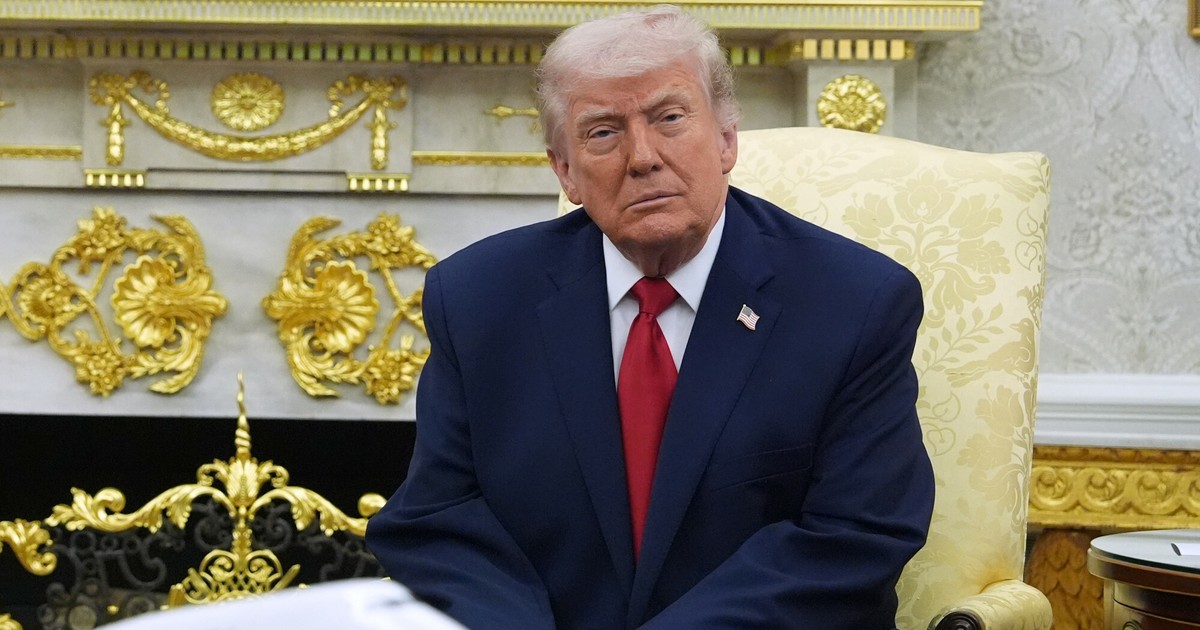
The survey results indicate growing social dissatisfaction. Importantly, most of the responses were collected before the incident at the White House Correspondents' Association dinner, where there was an attempted assassination of the president. The suspect was charged with an attempted attack, but it is not known whether this event will result in further declines in Trump's ratings.
See also: He worked with Donald Trump, and today he evaluates him. “He caused 16 months of drama”
War with Iran and rising fuel prices
Trump's significant decline in popularity began after his decision to launch hostilities against Iran on February 28. The conflict, which also involves Israeli forces, has led to a sharp increase in fuel prices. The average price of gasoline in the US has increased by over 40%. and is currently approximately $4.18. per gallon. The blockade of one fifth of global oil trade is further deepening the crisis.
Cost of living is one of the main issues that influence public sentiment. Only 22 percent Americans view the president's actions in this matter positivelywhich means a decrease of 3 percentage points. compared to the previous study.
Even among Republicans, the majority of whom (78%) still support Trump, as many as 41% criticizes his economic policy.
Independent voters key to November elections
Rising energy prices and an unpopular war with Iran are also influencing the political preferences of independent voters, who could decide the outcome of November's midterm elections. According to a Reuters/Ipsos poll 34 percent independent voters say they support Democrats, while 20 percent support Republicans. Every fourth respondent from this group has still not made a decision.
Donald Trump, who won the 2024 election on a promise to stabilize the economy after years of high inflation, is now losing voter confidence on economic issues. Support for his economic policy currently stands at 27 percent, which is much worse than in his first term.
Although the conflict with Iran has subsided following a ceasefire in early April, the situation in the region remains tense. Tehran's threats prevent tankers from leaving the Persian Gulf, leading to further increases in energy prices and a decline in oil reserves.
See also: Do old investment patterns still make sense in the era of crisis? “You have to hold on to the chair tightly”
The latest Reuters/Ipsos poll, conducted nationwide and online, collected responses from 1,269 U.S. adults, including 1,014 registered voters, and had a margin of error of 3 percentage points. The survey was conducted on April 15-20.