The scale of planned exports is huge – this volume could cover approximately 65%. annual demand for gas in Poland.
Read also: The Council of Ministers adopted macroeconomic assumptions until 2030. Debt up
A strategic point on the map
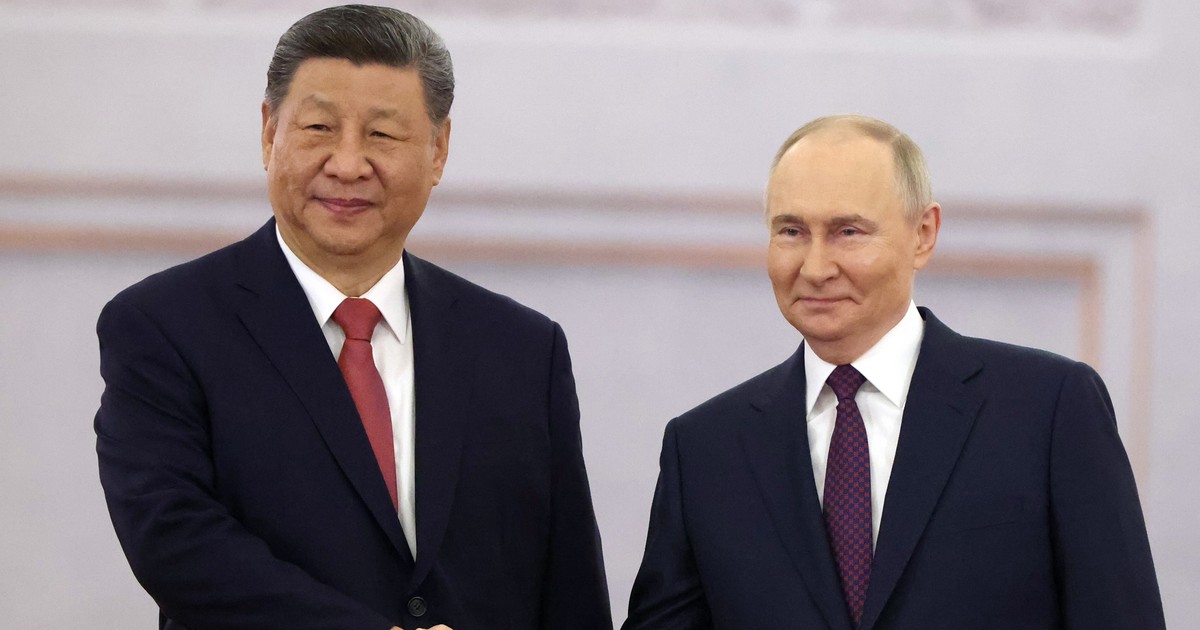
The decision to accelerate the work was made during a meeting between Gazprom's president Alexei Miller and the head of the Chinese giant CNPC, Dai Houlian, in Beijing. The key element of the new infrastructure is the gas station in Dalnerechensk, located right next to the border with China, on the Ussuri River.
“Preparations are underway to start gas supplies to China via the Far Eastern route. Equipment installation is currently underway at the gas station in Dalnerechensk“, Gazprom announced in an official statement.
The new route uses the existing gas pipeline running towards Vladivostok. According to the Russian company, its capacity is sufficient to supply Chinese customers without any problems. The first gas is to flow through this route in January 2027, and the target volume will be 12 billion m3 per year.
Read also: Fuel prices up. The Ministry of Energy announced new maximum prices
China in place of the European Union
After cutting off supplies to most European Union countries – which was supposed to be a form of political pressure in the context of the war in Ukraine – China became a key sales market for Moscow. Russia is gradually increasing the use of existing connections.
The main pipeline, operating since 2019, has already reached its full contractual capacity (38 billion m3 per year). In 2025, transmission via this route is to increase to 38.8 billion m3, and ultimately the parties agreed on a volume of 44 billion m3 per year.
The Power of Siberia 2 and transit through Mongolia
The Far Eastern route is just one element of Gazprom's broad strategy. Russia and China have already signed a memorandum on the construction of the Power of Siberia 2 gas pipeline and the Soyuz-Vostok transit line, which is to run through the territory of Mongolia.
This project, if finalized, will allow for the transmission of an additional 50 billion m3 of gas per year. This means that Russia is trying to almost completely redirect the flow of raw material that once supplied European countries to Asian markets, although this involves the need to build thousands of kilometers of new infrastructure in difficult terrain.