How China uses rare earths as a geopolitical tool in the competition with the West / Explanations of an expert who studied in China

Originally from the Republic of Moldova, but established in Italy, Mihaela Gaglioti-Verlan earned a doctorate at Copenhagen Business Schoolwith a thesis on Chinese rare earth strategy, after spending 18 months in China doing field research and interacting with relevant scientists, private companies and policy makers. In tomorrow's edition of the “Ration, back!” newsletter, you will be able to read the main ideas of the discussion with the expert from Italy, in a field that, in recent years, has become an important geopolitical tool: rare earths. To receive the newsletter, you must subscribe here:
If there were no rare earths, the laptops on our desks would be about 50% larger and twice as heavy. The smartphone in your pocket contains, on average, one gram of rare earths, while up to two tons can go into a wind turbine.
A gasoline or diesel Ford Sedan needs about half a kilogram of rare earths, while a hybrid car needs about 1 to 4.5 kilograms. A Toyota Prius contains 1 kilogram of neodymium and 100-200 grams of dysprosium. We found this information in a study published by Professor Andy Hira from Simon Fraser University Burnaby in Canada.
I put this into context, to emphasize how important this field is, which I talked about the other day with the expert Mihaela Gaglioti-Verlan.
What are “rare earths” and how do they differ from “critical minerals”
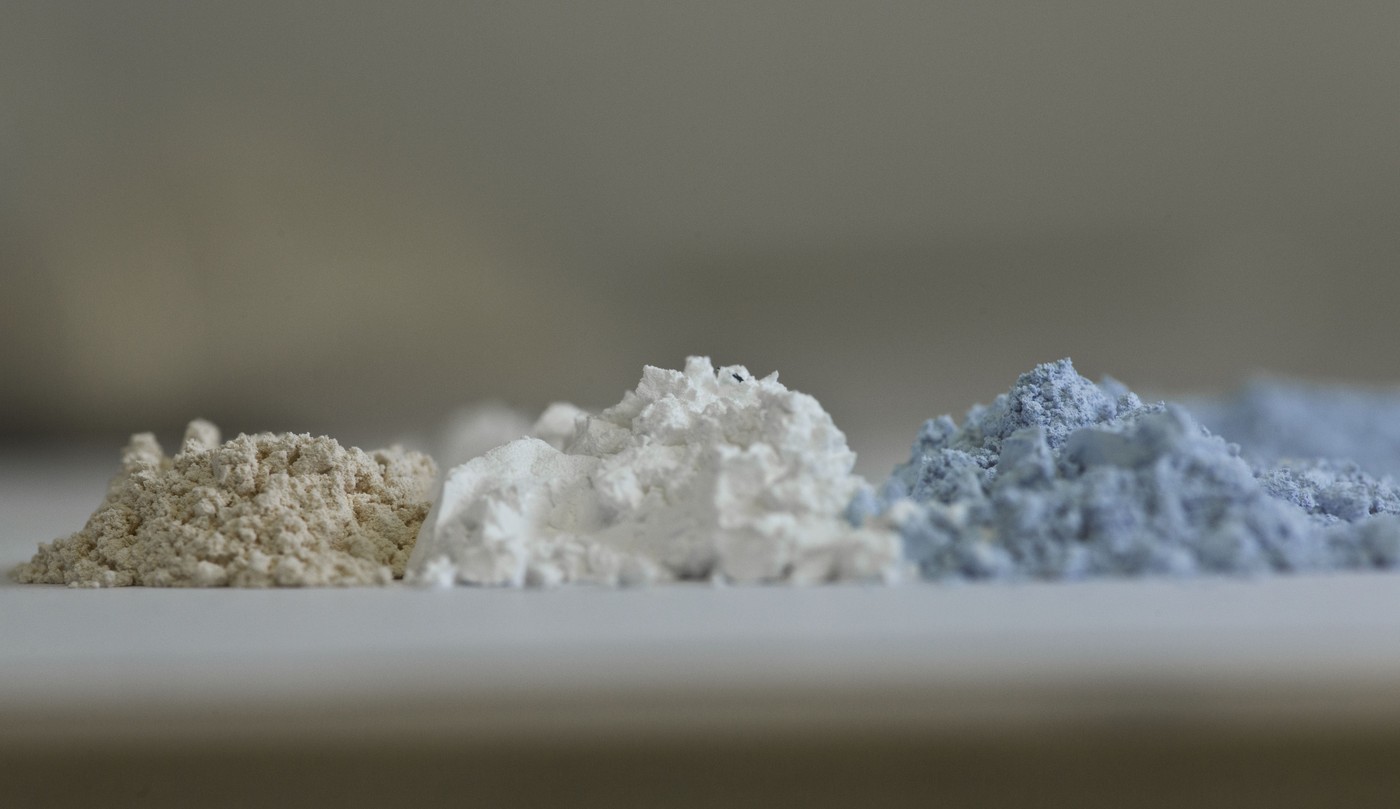
When we talk about “rare earths” we are actually referring to 17 chemical elements, the most important of which are neodymium and dysprosium. These are widely used in green technologies and in the field of security, explains Mihaela Gaglioti-Verlan.
The continuation can be read in tomorrow's edition, April 28, of the “Ration, back!” newsletter, sent every Tuesday by email by journalist Gabriel Bejan.