The Secretary of the Navy left, the plan remained. Trump returns to the superfleet project

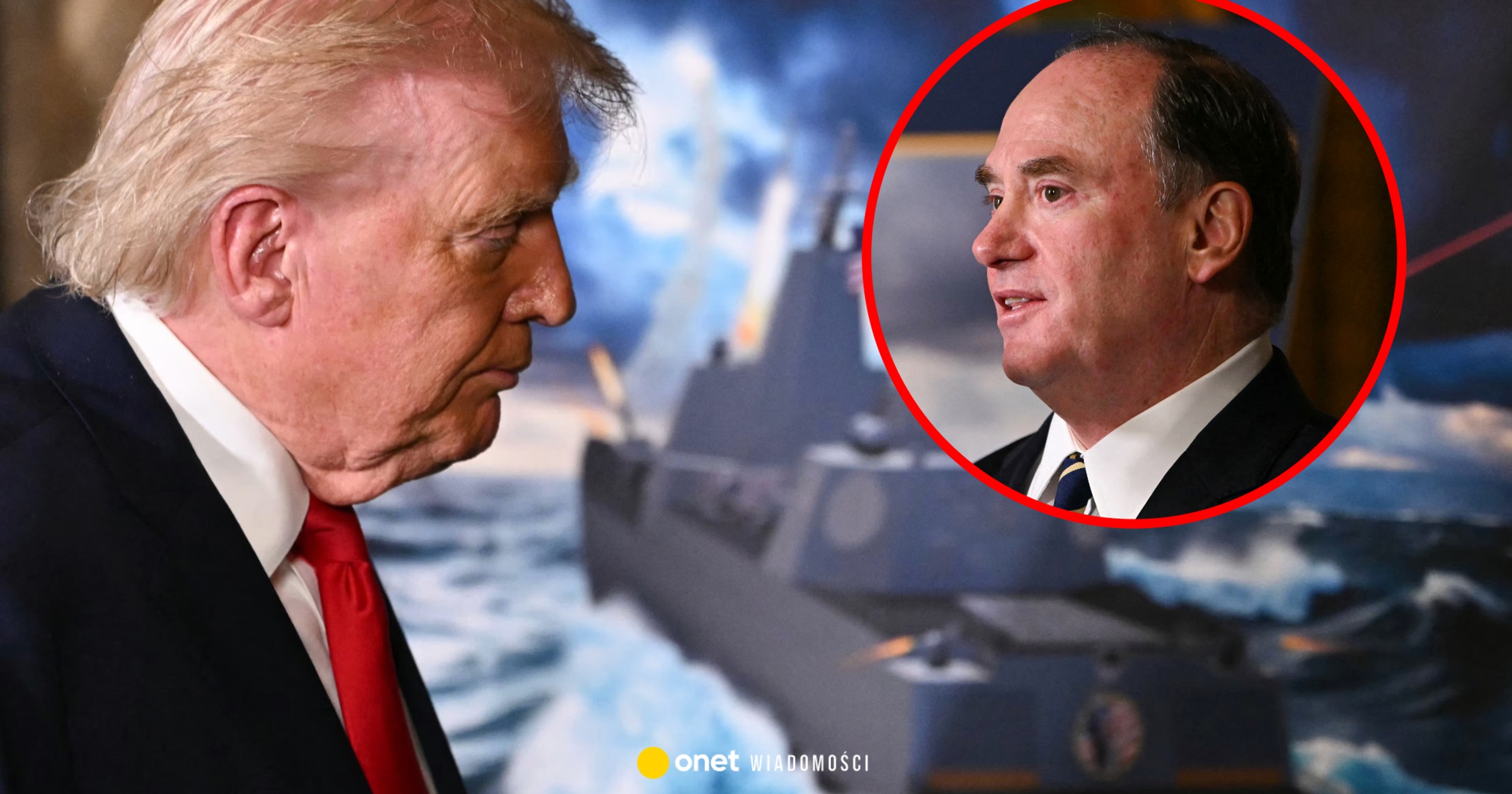
Phelan was to carry out one of Trump's most high-profile projects: a new generation of warships.
Just before Christmas, the president boasted of the “fastest, largest and by far the most powerful ships in the world” ever to sail the oceans. The first unit was scheduled to be commissioned by 2028 – a deadline that apparently turned out to be completely unrealistic.
According to the New York Times, citing high-ranking representatives of the administration and the Ministry of Defense, Phelan failed to present a realistic plan to deliver the ships within the extremely tight deadline imposed by Trump.
Initially, two units are planned, and eventually even 25.
Versatile and best looking
The first ship is to be built in Philadelphia, at a shipyard belonging to the South Korean company Hanwha.
Trump also wants to personally interfere with the appearance of individuals. The cost of the first unit is estimated at approximately USD 17 billion. (approx. PLN 68 billion). It has still not been decided whether the drive will be classic or nuclear.
One thing is certain: the ship will be suitable for all types of military operations. Helicopters will also be able to land on its deck.
The photo shows an American Zumwalt-class destroyerShutterstock/Sheila Fitzgerald/X/@Alsace_class
Nuclear cruise missiles
SLCM-N, or naval cruise missile carrying a nuclear warhead, is a planned American weapons program that includes missiles launched from submarines and surface ships.
The program was launched in 2018 with the aim of strengthening the US deterrence strategy. The goal was to provide the United States with an additional, more flexible tool for responding to crises, especially where the use of strategic nuclear weapons would be too radical or politically risky.
The new weapon systems were intended to give Washington the ability to respond in a more graduated manner and tailored to a specific threat. The idea was that the United States would not have to choose only between no response or the use of a full-scale nuclear arsenal.
The program is aimed primarily at China's growing military power and the modernization of Russia's armed forces.
Modern radar system
The ships are to be equipped with a technologically advanced, latest generation radar system capable of simultaneously detecting, identifying and tracking multiple targets at once – both in the air, on the sea surface and potentially in the coastal zone. This means that the system could simultaneously monitor incoming planes, missiles, drones, enemy ships and other threats without losing its effectiveness.
Such extensive capabilities would significantly increase the crew's situational awareness, i.e. the ability to quickly assess what is happening around the unit. Thanks to this, the ships would be prepared both to conduct attacks and to effectively defend against an unexpected enemy attack.
In practice, this means that units could detect threats earlier, react faster, guide their own weapons to targets and coordinate actions with other ships, aviation or defense systems. In other words, it would be very difficult to surprise them because most dangers would be noticed well in advance.
Costs
According to observers, the amounts needed to build these ships are gigantic.
For USD 17 billion. (approx. PLN 68 billion), several destroyers are usually built.
According to Phelan, the figure of PLN 17 billion is only a “preliminary estimate”. The next units would be cheaper:
- $13 billion for the second ship (approx. PLN 52 billion),
- USD 11.5 billion for the third one (approx. PLN 46 billion).
However, experts remain skeptical and wonder whether such huge costs will actually translate into the real combat value of these units.
A realistic deadline
Despite the 2028 target set by Trump, everything indicates that the USS Defiant could enter service in the mid or late 2030s at the earliest. According to the Army Recognition website, the design phase is expected to last at least until 2031–2032.
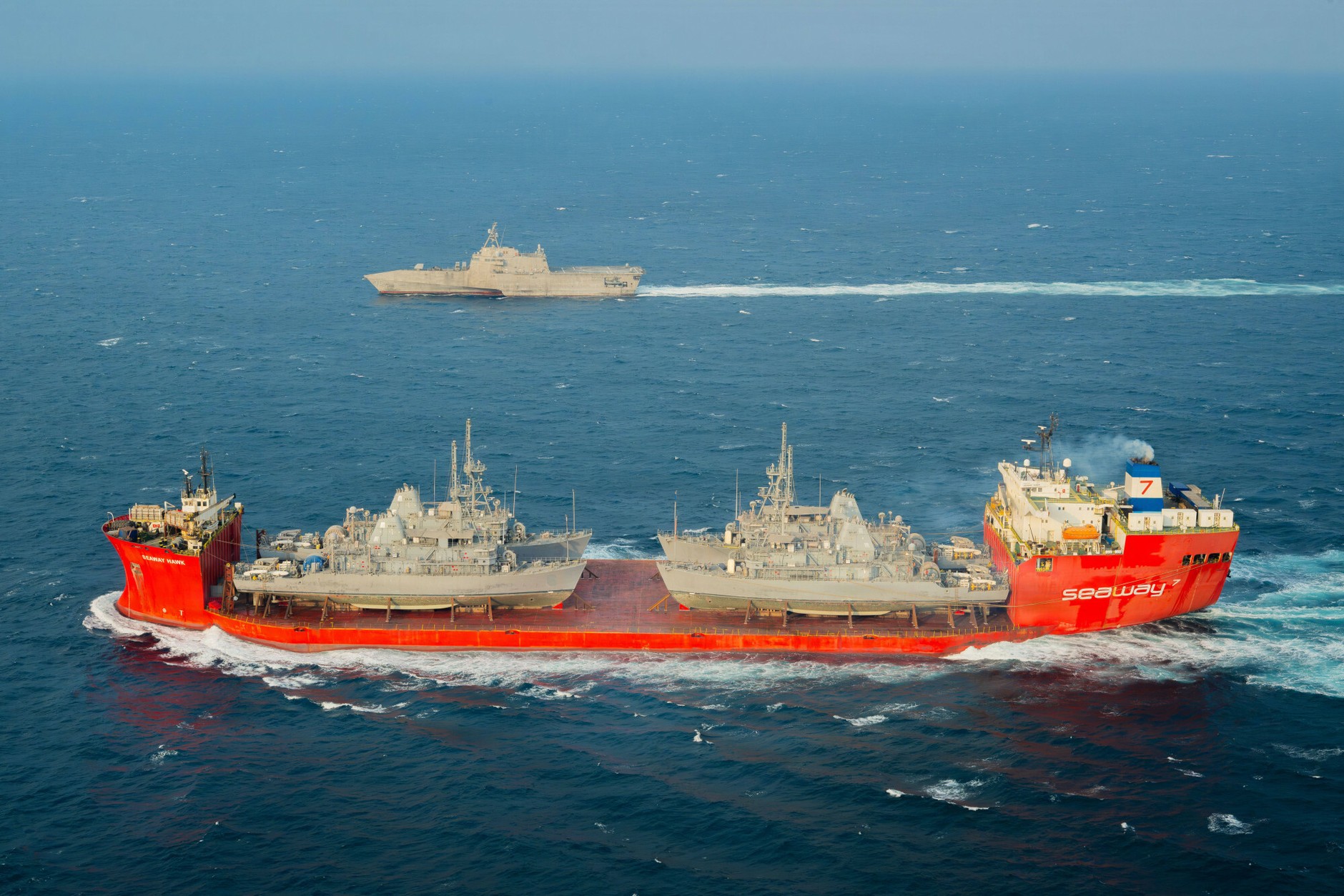
US forces in the Arabian Sea (illustrative photo)US Navy photo/SIPA/SIPA/East News / East News
Daryl Caudle, the Navy's most senior officer, recently said that lessons had been learned from mistakes made with previous frigate orders.
We started construction before the design was finalized
– he admitted.
This time – as he emphasized – at least 80 percent. The project is to be ready before construction begins.
The war with Iran increases the pressure
The conflict also showed that the number of units alone is not always enough. Modern sensors, anti-aircraft and anti-missile defense systems, the ability to detect drones and cruise missiles, and the ability to conduct strikes from long distances are becoming increasingly important. This is why the concept of a new generation of powerful ships can be presented as a response to the real threats revealed by the current war.
For Donald Trump, the project also has a political and image dimension. The expansion of the fleet can be presented as proof of the United States' strength, rebuilding its military advantage and decisively responding to the actions of its opponents. During times of war, such arguments gain particular power to influence both public opinion and military circles.
For this reason it can be expected that Trump will continue to push this agenda vigorouslypushing for a faster pace of work, high financing and making it a strategic priority. The greater international tensions, the easier it is to justify expensive investments in new weapons – and this project fits perfectly into that narrative.