“Security activated their network of informants.” Romanians were among the last in Eastern Europe to learn about the Chernobyl nuclear accident

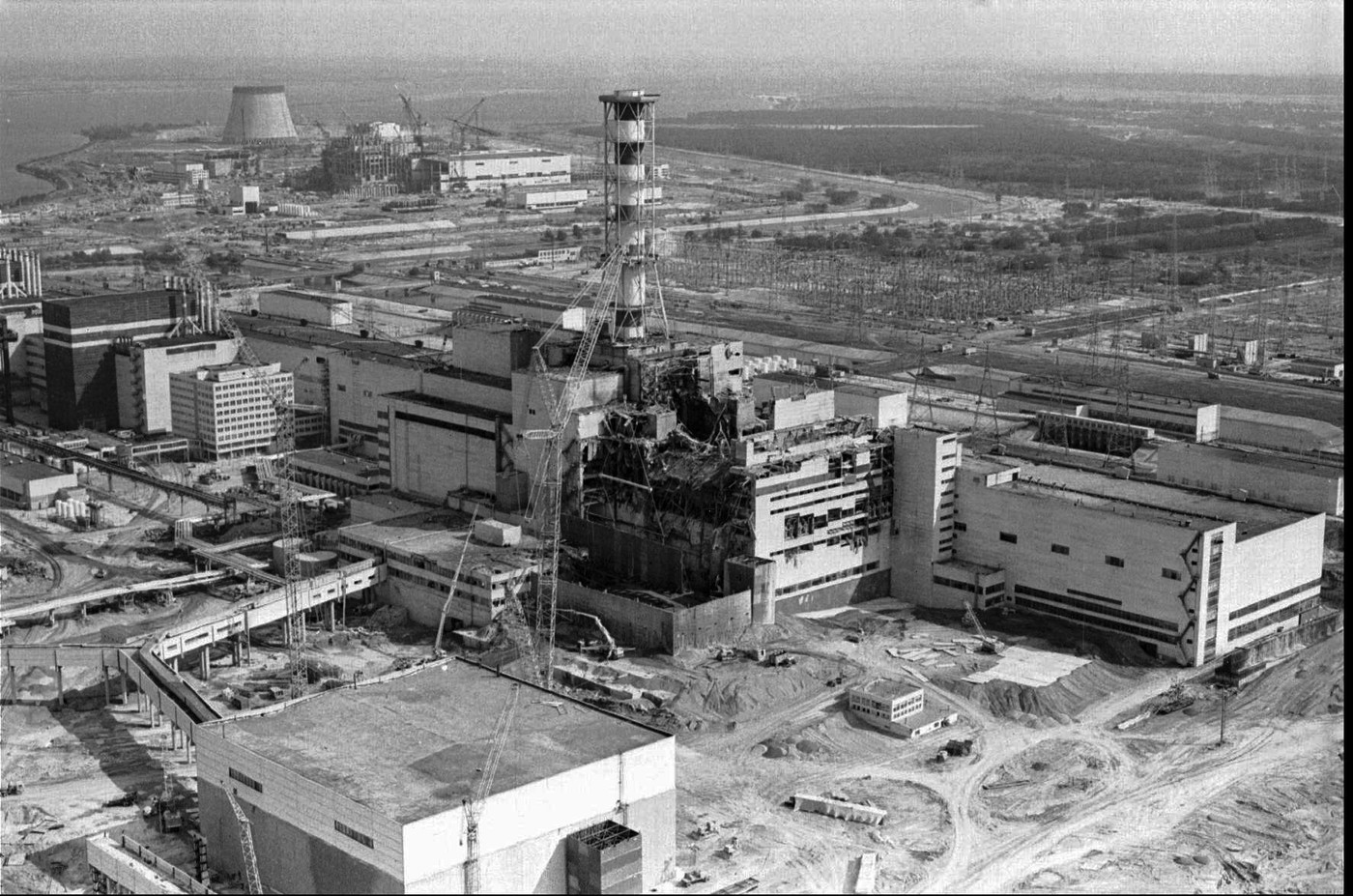
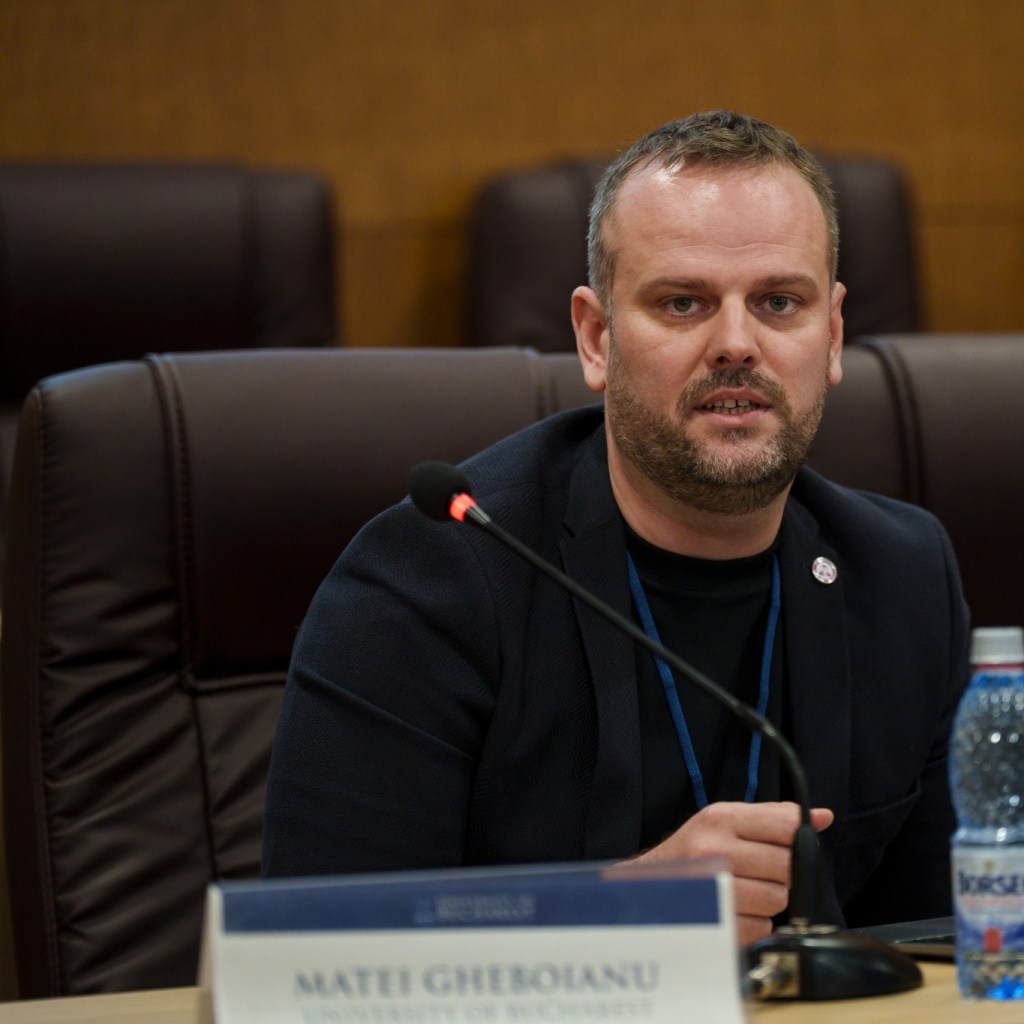
40 years ago, on April 26, the nuclear accident at the Soviet Chernobyl power plant took place. For the Romanians, days of fear and uncertainty followed as the radioactive wave came upon them. People were not getting information from the authorities, so they were making up their own scenarios. “Everything that seemed out of the ordinary was related to the Chernobyl accident,” Matei Gheboianu, the dean of the Faculty of History at the University of Bucharest, explains to the HotNews audience.
- The first measures were taken in Romania six months after the accident, when the distribution of iodine pills and their administration to children and young people under the age of 18 began, especially in certain areas where the effects of the radioactive cloud were thought to be more serious (Moldova, Dobrogea Maramureș), says the professor.
- Romanians and Bulgarians were among the last in Eastern Europe to learn about the catastrophe in the USSR.
The Soviets didn't tell them anything “Romanian “comrades”.
Two explosions rocked reactor number 4 of the Chernobyl nuclear power plant on April 26, 1986. During the fire, which lasted for ten days, huge amounts of radioactive substances were released into the atmosphere. 31 people died immediately or shortly after the explosion, but the total number of those who suffered from radiation is not known.
It wasn't until two days after the disaster that information leaked out of the USSR, after workers at a nuclear power plant in Sweden detected unusually high levels of radiation and at first thought the measuring devices were faulty. The Swedish authorities analyzed the wind direction and concluded that the radioactive cloud was coming from the USSR.
It must be said that the relations between Nicolae Ceaușescu and Mihail Gorbachev (who led the USSR between 1985 and 1991) were tense, the Romanian dictator being increasingly isolated internationally. This was also seen in the case of Chernobyl.
The first Romanians who learned about the catastrophe were army personnel, against the backdrop of total secrecy on the part of the USSR.
“The first real information about what was happening came from the army area because military radios and sources of this kind were being monitored,” explained Matei Gheboianu, PhD associate professor and dean of the Faculty of History at the University of Bucharest, in a discussion with HotNews.
The professor says that the Minister of Defence, Vasile Milea, already on April 28, 1986, sent Nicolae Ceaușescu an information about a radioactive cloud heading towards Romania. The cloud arrived on April 30 over the country. Some of the ordinary people, the professor explains, learned about the accident from foreign radio stations such as Free Europe. The Soviets issued a late statement through the TASS news agency that spoke of “an accident” but gave no indication of how serious the situation was.
How the nuclear catastrophe was treated in the press in Eastern Europe
The Romanian press only published the news from TASS on April 30, translated by Scânteia and published on page 5. However, the news was very vague, talking about “an accident” and saying that the radiation situation at the nuclear power plant had stabilized. The title of the article was dry: “From the Council of Ministers of the USSR.”
Publications from Hungary and Czechoslovakia, however, gave more details. The Hungarian press wrote about the accident for the first time on the 28th, and in some newspapers the news even appeared on the front page. However, on May 1, when the radioactive cloud had reached Budapest, the Hungarian press only wrote that the level of contamination was “insignificant”. It was only on May 4 that recommendations such as “wash vegetables thoroughly” began to be published.
Poland reacted quickly, with a brief news broadcast on television on 28 April and then an article in print on 29 April. Polish newspapers also featured medical experts to reassure the population, and there were even debates about how safe Poland's nuclear power plant is.
In Czechoslovakia, the first news appeared on April 29, citing the TASS agency, but the basic message was that nothing serious had happened and that alarmist news from West Germany or Austria was nothing more than “anti-Soviet propaganda”.
Bulgaria has been the least forthcoming, although it has been clear to officials since early May that this is a serious problem. The first communication from the authorities was on May 7, 1986.
Timeline
- April 26, 1986: The explosion occurs
- April 28, 1986: The first people from the Romanian army and services learn about the accident
- April 30, 1986: The radioactive cloud reaches Romania and some Romanians learn about the accident from Free Europe
- May 1, 1986: The PCR leadership met in an emergency meeting to discuss the effects of the catastrophe in the country
- May 2, 1986: The first practical measures begin to be applied. Potassium iodide began to be administered in schools, and long queues formed at dispensaries and polyclinics. Romanians were advised to wash the fruits well and not to leave their children in open spaces.
Romanians learned about the “radioactive cloud” when it was already over the country
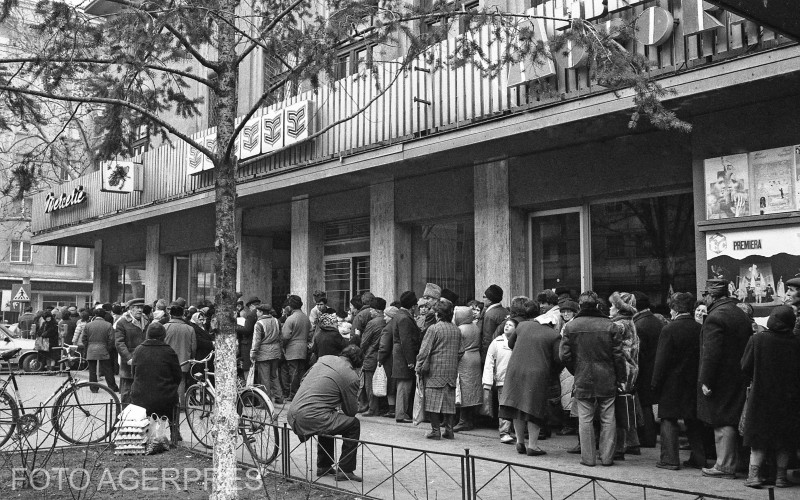
How did the Romanians in the most affected areas (especially Moldova) live the first days after the disaster? “With great fear, because they didn't know what was happening and they didn't know what to do,” says Professor Gheboianu, who adds that on April 30, when some of the residents of Moldova learned about the disaster, the radioactive cloud was already over the country.
The first measures applied in Romania were six days after the accident, on May 2, when the distribution of iodine pills and their administration to children and young people under 18 years of age began, especially in certain areas where the effects of the radioactive cloud were thought to be more serious (Moldova, Dobrogea Maramureș).
“This is where a little panic starts, because the stock of pills was not that big, people were alarmed, they were looking for the drugs in pharmacies and they couldn't find many of them.”
Because they had no information, people made up their own scenarios
The history teacher says that there was also a panic related to the radioactive fallout and – somewhat later – the birth in 1986 and 1987 of some children with malformations.
The rumors were also amplified by the fact that the first information from the authorities was vague, and a lot of false information was spread by word of mouth. As the authorities communicated little, people created their own scenarios.
“This matter also remained in the folklore, that Chernobyl affected a lot. Many times, any problem or anything that seemed out of the ordinary, was related to what happened at Chernobyl and the way things were organized by the party. And it must be said that the PCR leaders from Bucharest were taken by surprise. It was a new thing they were facing,” explains Matei Gheboianu.
“Some believe that there are still effects today, due to radioactivity,” says the dean of the Faculty of History.
Can the reaction of the communist authorities be characterized as a disaster? Gheboianu says that the temptation of the communists was to keep everything under control. “It's the style of an authoritarian regime where even if a tragedy happens, you try to hide it or minimize it.”
The teacher also says that advice sets have been handed out, there have been campaigns in schools about how people should protect themselves better.
There were also prohibitions related to the consumption of milk and dairy products, these products being considered harmful. “At one point, milk was no longer used, because it was believed that the animals were consuming vegetation and there was a radioactive level, so from a point, people used powdered milk that was distributed at the county level.”
Measurements of radiation at water and vegetation level were also made. “Many measures were tried, with the idea of reducing the effects, but as I said, they were not prepared for what was happening, just like the Soviets were not.” In another Eastern European country, Poland, the foods considered most dangerous in those days were milk, salad and mushrooms.
Security was trying to monitor everything that was going on
Because it was afraid of protests, the communist regime in Romania in the 80s tried to control the way information circulated.
Matei Gheboianu says that at the beginning of May 1986, the Securitate entered its role and monitored the state of mind of the population, to see almost everything that was happening.
“The security activated its entire network of informants from all over the country, they also monitored the phones, especially in several important cities (…) They were trying to keep the pulse and see what was happening. There were many hundreds of notes sent to the central office. Follow-up files were made for those who were targeted for spreading various information”, says Gheboianu.
He explains that panic can lead to “coagulation” of people and lead to protests against the authorities and the regime risks being in trouble.
The professor also says that in large university centers in the country, it was noticed that foreign students (especially from Arab countries and Greece) asked to leave the country, the big difference being that the foreigners had a way to leave, while the Romanians did not have this possibility. In Cluj there was a meeting with foreign students, attended by 200 students. A doctor was brought to them to explain the situation”, says the dean of the Faculty of History.