Recently, a lot has been written about the shortage of RAM and flash memory used, among others, in smartphones and SSD media. It has already started to drive up the prices of electronics, and in the coming months it may lead to the bankruptcy of many smaller producers of anything with a processor, who do not have enough leverage in negotiations to guarantee the supply of key components.
However, computer memory and advanced chips are not the only things that are becoming scarce due to the unbridled appetite of newly emerging data centers. Another one is classic disc hard drives.
Hard drives are being bought out en masse by hyperscalers
Spinning platter drives have almost completely disappeared from consumer devices and have been replaced by solid-state SSDs, which is why most people rarely think about them. However, they are still there commonly used for data storagebecause they are cheaper per gigabyte and do not lose data when they are disconnected from the power supply for a long time. The latest financial statements of the two largest hard drive manufacturers, Western Digital and Seagate, show that are extremely popular, especially among hyperscalers.
First, both companies confirmed that They have practically sold out this year's entire disc production. The head of WD speaks directly about very specific purchase declarations of the seven largest customers for this year, two long-term contracts for 2027 and one for 2028.
Second, both manufacturers provided information on their revenue and product mix. In the case of WD, in the last fiscal quarter, as much as 89 percent. revenues from the sale of drives come from cloud managers, while in the case of Seagate, server drives (some of them go to retail distribution) account for 87%. volume.
Nearly 90 percent WD and Seagate drives are server drives purchased mainly by cloud service providers.
|
Created using AI / Copilot
In practice this means that in 2026 and 2027, the retail channel and smaller companies will only get what comes off the conveyor belt, apart from the contracts of the largest data center managers — in limited quantities and at higher prices. The effects of this are already visible on the retail market, as some popular disk models from fresh deliveries are already up to 50 percent more expensive. than a few months ago.
Seagate: there will be no increase in production
Seagate also made it clear that it does not plan to increase the number of disks produced, but only to further increase their capacity. We don't have similar statements from WD and Toshiba, but we should expect these companies to have a similar strategy, so the hard drive shortage will continue as long as the current hyperscaler appetite lasts for storing data for AI and generated by AI.
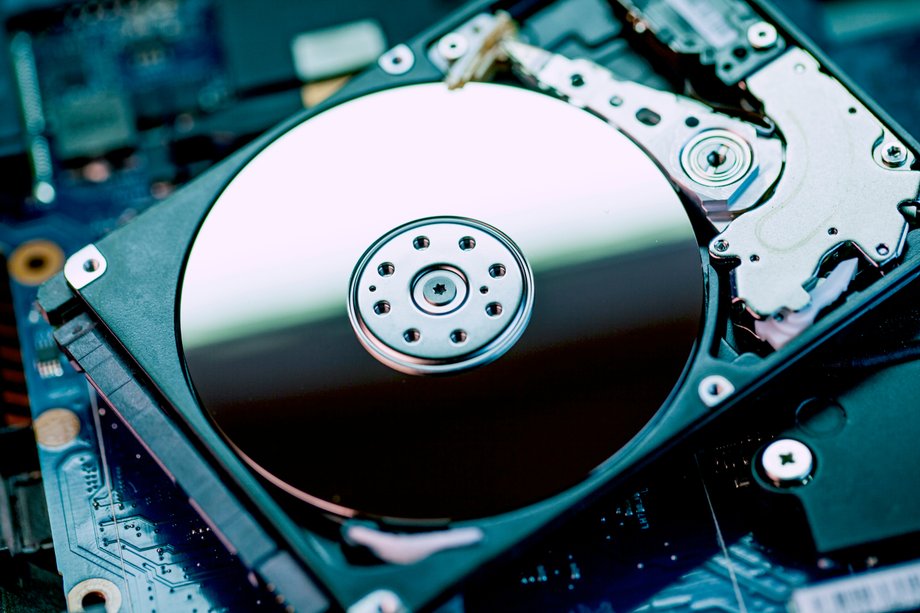
Hard drive
|
evgenii mitroshin / Shutterstock
In this case, however, it is quite understandable: disk hard drives have been a fairly stable or slightly shrinking business over the years, so before someone invests money in them, they must be sure that they are dealing with a long-term and systemic increase in demand, and not a single spike.
Another problem here is the supply chain, which in the case of hard drives is very inflexible and consolidated. Although there are three disk manufacturers on the market, as many as approx. 80 percent their motors that spin the platters come from a single supplier: Nidec. Similar bottlenecks occur with heads and platters. In practice so there is a relatively hard limit on the number of disksthat can be produced. Moving it would be difficult and would take years.
A big problem for privacy and sovereignty
The current situation certainly pleases the owners of companies producing hard drives and the people who invested in them. However, the fact that data centers can consume up to 90 percent global production of hard drives, is very problematic from the point of view of every person, company or institution that takes seriously the issue of security, privacy, independence, or broadly understood digital sovereignty.
Entities for which full control over data is not a matter of choice but a necessity will have to come to terms with long order fulfillment times of dozens of months and increased costs. From the market side, certainly it will also arouse greater interest in LTO drives and tape mediabecause some institutions will see them as an alternative to hard drives.
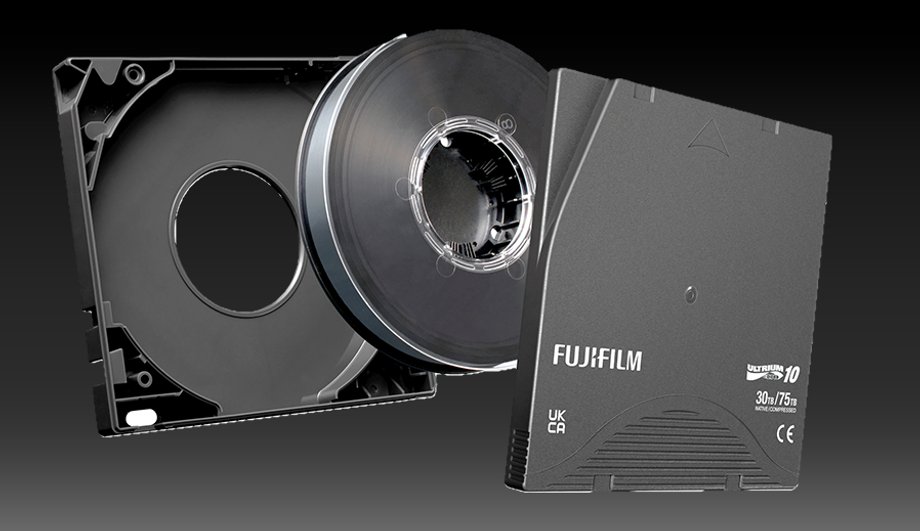
Problems with the availability of hard drives will certainly increase interest in alternatives, such as storing data on magnetic LTO tapes.
However, there will certainly be no shortage of entities that have to operate here and now and cannot afford additional costs, which is why will be pushed into the arms of Microsoft, Amazon, Google, Oracleor another large cloud service provider. It is true that Big Tech claims that there is nothing to fear and that they take care of customer data as if it were their own, but they have had enough mishaps and the geopolitical situation is uncertain enough to treat these assurances with a great deal of skepticism.
However, from a broader and more consumer perspective, this is another thing that makes privacy and owning anything more and more a luxury that fewer and fewer people can afford.