Long-awaited changes are coming to the mining industry. The Ministry of Energy plans to meet the demands of workers and trade unions by expanding the support system for people leaving private mines. In practice, these are two plants, not included in the regulations currently in force. The benefits will be available to almost 1,000 additional people.
Read also: A package of measures to save JSW. We know the restructuring plans
Mining Act. Support is to be broader
Since the beginning of this year, employees of closed hard coal mines have been entitled to protective benefits or transfer to another operating plant. Miners and processing plant workers can switch to earlier leaves with 80% retention. current remuneration or opt for a one-off severance pay of up to PLN 170,000. PLN net.
All this is guaranteed by the amendment to the so-called the Mining Act, i.e. the Act on the Operation of Hard Coal Mining. The regulations were intended to help implement the provisions of the so-called social agreement with the industry (the agreement concluded in 2021 setting the final end to the operation of hard coal mining in Poland by 2049) and to ensure a soft landing for workers in the era of decarbonization. After the president's signature, the act entered into force on January 1. However, miners' trade unionists pointed out the gaps. What are these gaps?
Currently, aid is intended only for people employed in mines belonging to state-owned companies, i.e. National Mining Group, Południowy Koncern Węglowy, Węglokoks Kraj, as well as Jastrzębska Spółka Węglowa and Lubelski Węgiel Bogdanka (the last two companies were covered by support at a later stage of work on the project; they were not originally intended to be included).
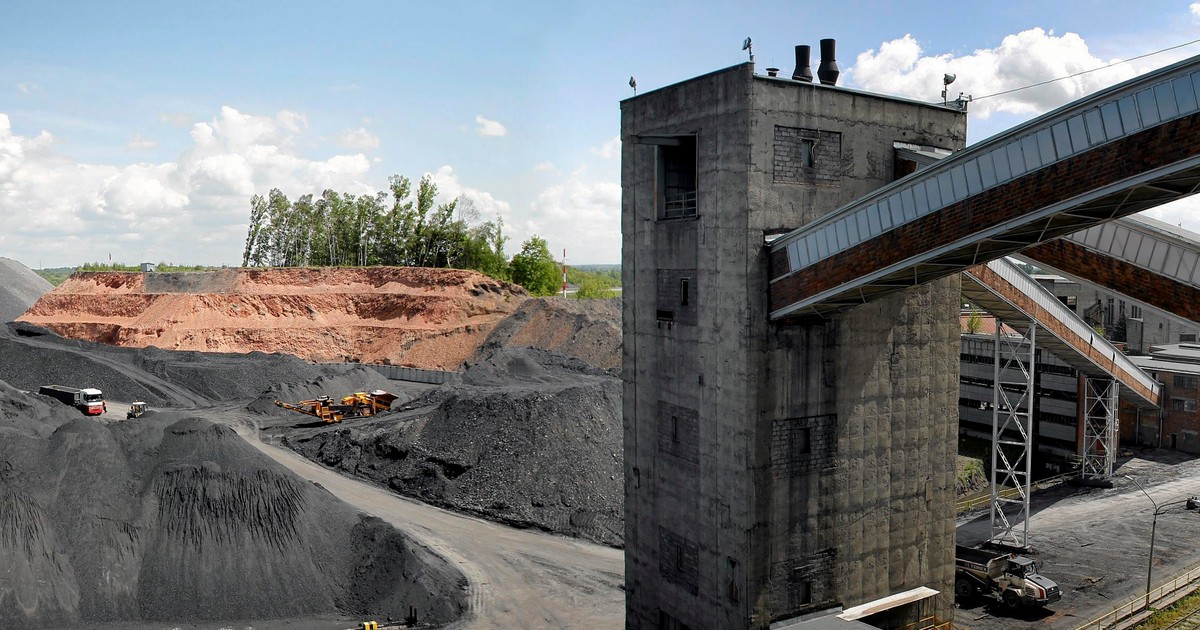
Borynia-Zofiówka hard coal mine, Jastrzębska Spółka Węglowa
|
JSW / JSW
Miners from private mines remained outside the system, led by Przedsiębiorstwo Górnicze Silesia in Czechowice-Dziedzice. The proposal to extend the rights to this group included, among others: during a loud protest in Silesia, which took place at the end of last year (we wrote more about it here). Politically, President Karol Nawrocki first responded to the miners' demands. In February, the Sejm received a bill signed by the head of state equalizing the rights of employees of private and state-owned mines.
Read also: The Deputy Minister of Energy reveals details of changes in the mining industry. The cover system starts
New mining act. The support will not go to companies
The president's initiative was not carried forward, but the same is reflected in the latest project from the Ministry of Energy, which is responsible for mining. On April 23, the website of the Government Legislation Center published the assumptions of a new act (the Act amending the Act on the Operation of Hard Coal Mining), which would repair the shortcomings of the previous act.
The authors of the project write about it directly in the accompanying justification and regulatory impact assessment (IAS). The current definition of a mining company whose employees are entitled to support covers only state-owned enterprises, which means that benefits cannot go to employees of Silesia, but also to those from Zakład Górniczy EKO-PLUS, which has a mine in Bytom.
The act will change this situation, with the difference that employees of private mines will be entitled to benefits only if the company running them declares bankruptcy. From a formal point of view, the crew will then be able to be transferred to other mining companies, which will take over the employer's responsibilities and provide them with support. “Such a solution will ensure that support will go to employees and not to private entities conducting business activities in the field of hard coal mining, which will allow for neutrality in the field of public aid,” we read in the OSR.
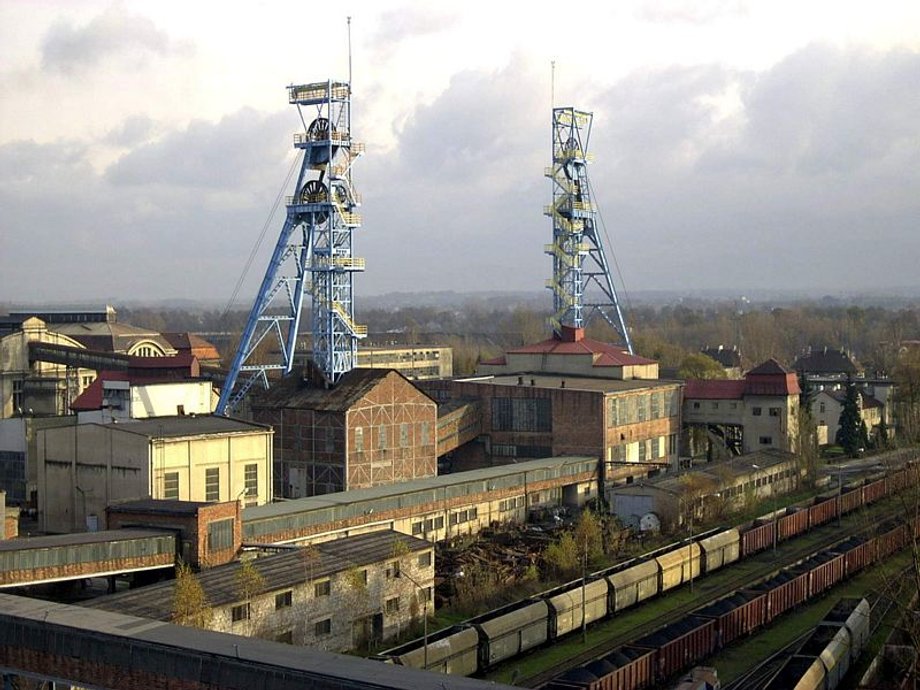
PG Silesia mine
|
PG Silesia / PG Silesia
The chosen solution is, on the one hand, to prevent the transfer of funds to private entrepreneurs, which could be illegal, and, on the other hand, to maintain continuity of employment by transferring to another plant. The most important thing is to maintain mining and processing leaves and one-off severance pay. The draft bill also regulates in detailed provisions the issues of calculating employment seniority, including taking into account trade union activities and paying outstanding allowances such as the Saint's Day benefit.
Coverage benefits. They have to give more time
When justifying the proposed act, the Ministry of Energy focuses on its social importance. The planned payment of benefits to employees is expected to have a positive impact on local labor markets and reduce the risk of a sudden increase in unemployment. Employee transfers will reduce the scale of group layoffs, and the injection of money for employees will reduce by 80%. remuneration during holidays or severance pay up to PLN 170,000. PLN – it will help maintain social security and give people more time to look for a new job or retrain. How many people are we even talking about? According to OSR, there are 953 employees of private mines who will gain new rights.
As for the cost of the change, the project and accompanying documents do not provide an exact amount. The December mining act provides that approximately PLN 11 billion will be spent on benefits from the state budget in the years 2026-2035. The impact assessment of the regulations says that the benefits planned now for employees of private mines will fall within this limit.
The whole matter is treated as urgent – the ministry writes about the “need to immediately protect” employees of private mining plants in the event of their bankruptcy, which justifies the lack of public consultations. The project was only submitted for review by several offices, including the State Mining Office and ZUS, as well as for inter-ministerial arrangements, including: with the ministers of climate, state assets and finance, but also education, health and culture.
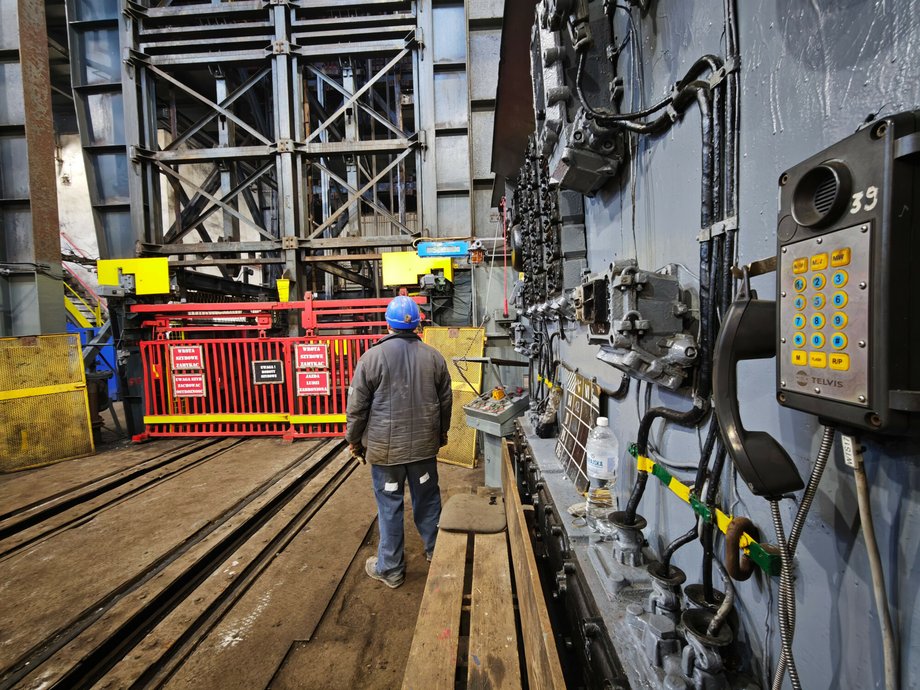
Bobrek Hard Coal Mine in Bytom, put into liquidation in December 2025, January 17, 2026.
|
Adrian Slazok/REPORTER / East News
In February, 500 people left the mining industry
Benefit payments to employees of state-owned mines will begin soon. As we wrote recently, at the end of April, one-off severance pay will begin to go to the departing employees of Polska Grupa Górnicza, whose employment will decrease by 5,000 this year. people – 14 percent current crew. In 2026, the liquidation of several plants will also begin.
According to data from the Industrial Development Agency collected by the Instrat Foundation, in February this year, employment in the hard coal mining sector decreased by 500 jobs, reaching 70,737 people. Compared to January by 900 thousand. tons, however, the extraction of the raw material increased, although year on year it decreased by 80 thousand. tone.
Read also: That's how much coal there really is in Poland. Much of it will be of no use
Mining activist: transformation destroys many jobs
We asked Arkadiusz Siekaniec, vice-president of the Miners' Trade Union, to comment on the changes. The activist reminds that from the beginning of work on the social contract and then on the mining act, the organization advocated providing employees from private mines with the same protections as employees from state-owned mines.
— The pending amendment does not meet this requirement, but it is certainly a step in the right direction — says Siekaniec, meaning that according to the new law, protections will be due only after the declaration of bankruptcy of private enterprises, and not during their “normal” operation, as in the case of mines of state-owned enterprises. He expresses concern that the transfer process may turn out to be too long and drawn out, and people deprived of work will effectively be left in the lurch.
Our interlocutor also mentions another shortcoming he diagnoses, both of the current December act and the planned amendment. This is the omission of people associated with mining who are not directly employed in mines.
— Let us remember that there is still no program for the facilities and miners employed in companies performing mining and specialized works for state-owned companies. The energy transformation is causing the collapse of many companies and destroying hundreds of jobs, he estimates.
Coverage benefits. Problem with ZUS
According to the trade unionist, another problem is the rules for determining the right to miners' leave. As we hear, ZUS sometimes questions qualifying periods of employment, and employees cannot appeal against the claims of the Social Insurance Institution.
— This is only an opinion issued by the Social Insurance Institution, and not a decision or other document subject to an appeal procedure. Such an employee has no chance to assert his rights, e.g. in court, and in the worst case scenario, he has to work until retirement, unable to take mining leave, even if he is right and has evidence, says Arkadiusz Siekaniec. He adds that leaves, which are in fact early bridging pensions, are granted primarily to older employees, and the current practice of not being able to appeal against ZUS decisions needs to be changed “as soon as possible.”