Czech and Austrian police without mercy. How Poles lose their cars abroad

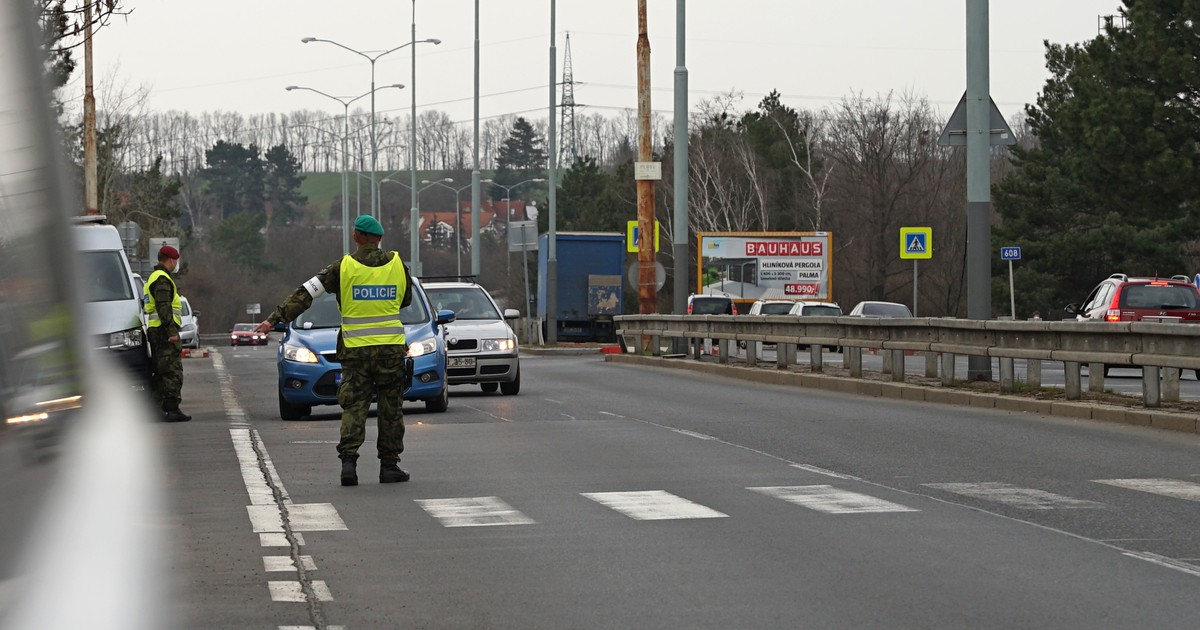
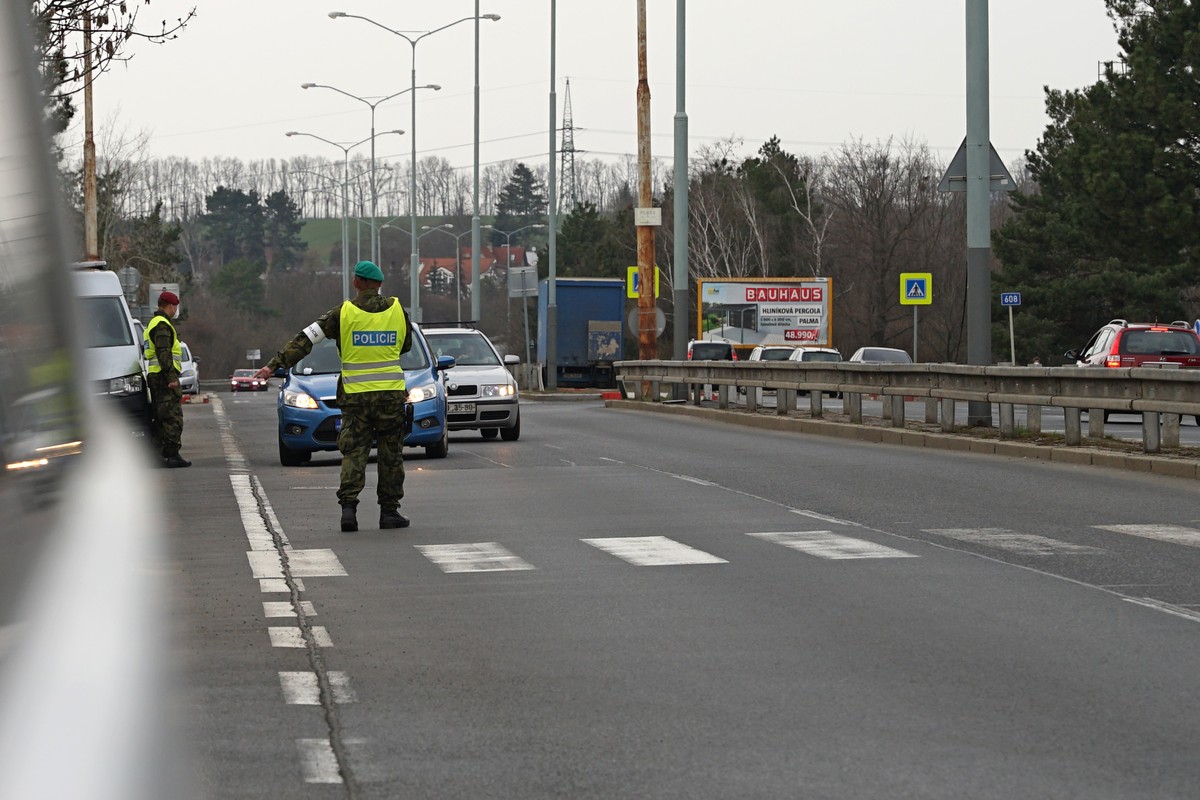
The experiences of Poles traveling in leased cars to the Czech Republic, Austria or Slovakia can be dramatic. The point is that, among other things, Czech police may take away license plates from a Polish driver, even though his only “fault” was that he was traveling in a car belonging to a leasing company. Interestingly, the regulations in Slovakia and Austria are even stricter. According to Business Insider readers, major conflicts with the Slovak police also concern road accidents, even if the Pole was not at fault. So it's not worth giving up. We must immediately demand that the police fulfill their duties and prepare a note corresponding to the actual events.
We explain what follows from Czech, Slovak and Austrian regulations, what is the practice on the road and what penalties apply, among others: Polish drivers going to our southern neighbors.
Read also in BUSINESS INSIDER
— An amendment is in force in the Czech Republic (Act No. 418/2021 Sb. – ed.), which gives the police and customs services new powers. They can now demand payment of all outstanding, legally imposed fines related to a given vehicle during a road inspection, also if it is leased – confirms Łukasz Mazur, tax advisor and ECDP Group expert, in an interview with Business Insider. In turn, driving a car without plates carries even more severe penalties.
The expert also explains what Poles can do if they get into trouble and denies the recommendation that appeared on the gov.pl website.
What can the Czech police do if you are traveling in a leased car?
As Łukasz Mazur says, in the Czech Republic, if the driver or owner fails to settle the arrears on the spot, officers may retain the vehicle's registration plates (SPZ) or apply a wheel lock (“botička”), preventing further driving. Importantly, driving without plates is also punishable…
These regulations have been in force since January 1, 2022, although it is only recently that cases of license plate seizures have become loud in Poland.
— The regulations were changed because previously the collection of fines was very low – especially in the case of foreigners – explains Łukasz Mazur.
Data from the Czech Ministry of the Interior show that approximately every second fine that was not collected immediately on the spot remained unpaid, and the rate was even worse for foreign drivers. This situation has undermined road safety for years and resulted in a lack of revenue from fines.
— The new law was supposed to change this, targeting primarily foreign drivers who avoid paying, says Łukasz Mazur.
Effect? In the first year of full application (2023), the police recovered over CZK 3 million (i.e. over PLN 0.5 million) in outstanding fines, collecting them from approximately 1,100 drivers.
— As reported by the Czech media, in 84 cases, drivers refused to pay on the spot – so they lost their plates and could not drive any further. This shows that the mechanism works and is consistently enforced by the Czech authorities – comments the tax advisor.
Another driver didn't pay the fine, but you have a problem
A driver who is stopped by the Czech police and is driving a car belonging to a lessor who has not paid the fine may have a big problem.
— During routine inspection the Czech police check the CEPAN register to see if the driver or vehicle has unpaid fines. If so, officers require payment on the spot – this is not a discretionary matter, the policeman has such an obligation – explains Łukasz Mazur.
What if the driver refuses to pay the fine? – If the driver does not pay, police officers can immediately remove the license plates or physically stop the vehicle, e.g. by locking the wheels. The plates are taken to the police station or customs office and will be returned only after the debt is settled. The plates can be collected in person or by proxy. The car must remain immobilized at the inspection site – driving without plates is prohibited (this carries a fine of CZK 4,000 to 10,000 and a driving ban of 6-18 months – ed.) – says Łukasz Mazur.
Of course, the driver can transport the car on a trailer to Poland.
You will pay someone else's fine or you won't
will you go?
The regulations cover both vehicles with Czech and foreign license plates – including, for example: Polish leasing cars. As Łukasz Mazur explains, the fine associated with the vehicle “follows” it: if the lessor or other owner has not paid the fine, the consequences will be felt by the driver currently traveling in that car.
In other words, you can lose your plates even for an offense that you did not personally commit, e.g. if it involved a previous user of the vehicle.
— You don't have to have cash with you in the Czech Republic. Fines, including overdue fines, can be paid by card. Virtually every road police patrol has a mobile payment terminal, so lack of cash is not an excuse. Thanks to this, every debtor has a real chance to settle the debt immediately and avoid immobilization of the vehicle – says our interlocutor.
The advice from the Ministry of Foreign Affairs is not entirely helpful?
— The Czech police are professional, polite and helpful on a daily basis, which is confirmed by local opinions, but they do not make any compromises when it comes to outstanding fines. The mere threat of having the plates confiscated is usually enough. According to the Czech police, most debtors, hearing about this option, immediately decide to pay on the spot – says Łukasz Mazur.
What can Poles do to avoid problems in the Czech Republic?
— Without being the owner of the vehicle, you can't really check whether the owner has any outstanding fines in the Czech Republic. Any recommendations on checking, including those from the Polish Ministry of Foreign Affairs, should therefore simply be put aside. – says Łukasz Mazur.
The ministry recommended on the gov.pl website that before traveling to the Czech Republic, make sure that the leasing company whose services you use has settled its obligations.
According to Łukasz Mazur, the best true recommendation is different: drive according to the regulations in the Czech Republic, because random checks other than speeding are rare.
Do you think that the law in the Czech Republic is absurd? This is the case in Slovakia and Austria
What does it look like in other countries that will soon be a skiing destination for Poles, i.e. Slovakia and Austria? This is also what the expert explains in an interview with Business Insider.
If you go to Slovakia and do not pay the fine on the spot, then… Slovak police may confiscate your driving license. The driver then receives a temporary certificate allowing him to drive for another 15 days in Slovakia to settle the fine. However, Slovaks do not confiscate the plates — the vehicle is generally not immobilized, although further driving without a driving license is of course limited. After paying the fine, you can collect your driving license in person at the police station that seized it.
In Austria, there are even stricter regulations, but of a different nature. For serious road traffic offences (e.g. exceeding the speed limit by more than 60 km per hour in built-up areas or more than 70 km per hour on the highway) Confiscation of the vehicle is possible, also against foreigners. In extreme cases, the car may be seized forever and auctioned off by the authorities.
The Austrians decided that “those who no longer have a car will not speed again” – hence such a strict approach as a deterrent.
Author: Łukasz Zalewski, journalist of the Law section of Business Insider Polska