The US risks losing a future war without cheap and accurate weapons, warns the US commander for the Indo-Pacific region

The US military must invest quickly in developing an extensive arsenal of cheap but accurate weapons or risk losing a future conflict, the US commander for the Indo-Pacific region has warned.
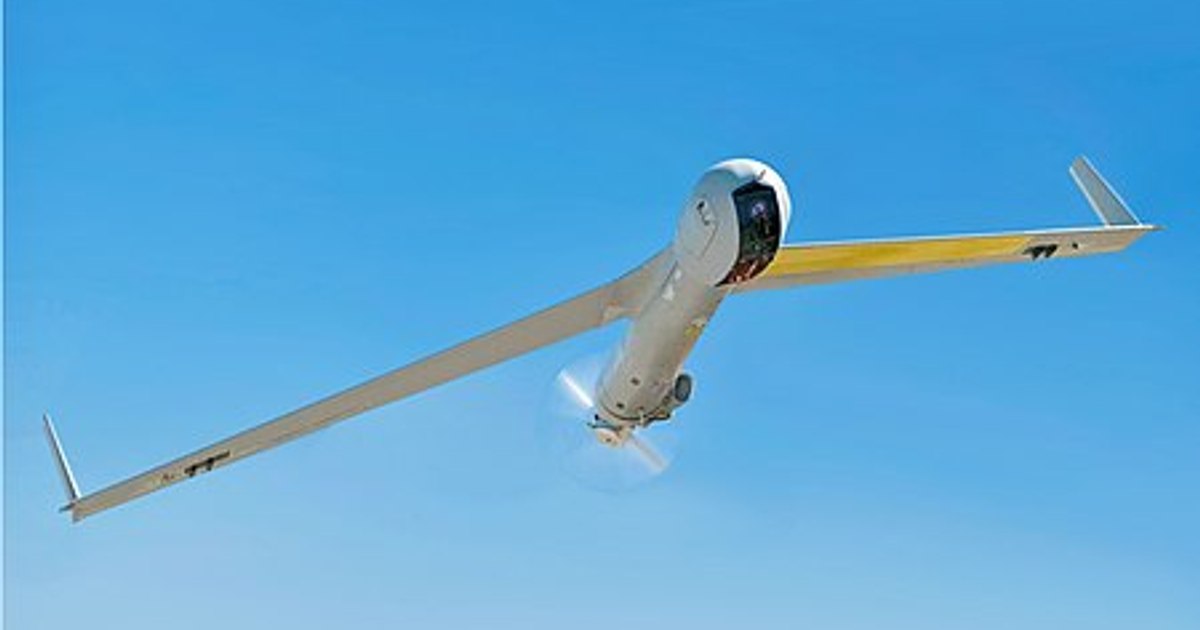
American drone/PHOTO:X
Admiral Samuel Paparo told Congress that low-cost systems — such as cheap drones or streamlined missiles — have fundamentally changed the way modern conflicts are fought, including the war in Ukraine and the recent confrontation between the US and Iran.
The Lessons of Modern War
US military officials argue that the widespread use of more affordable weapons for routine missions — for example, intercepting attack drones — can reduce financial pressure on the military, especially in the face of resource-rich adversaries like China.
Paparo described this phenomenon as a “commoditization” of low-cost precision weapons, emphasizing that the reality on the battlefield in Ukraine demonstrates the effectiveness of this model, writes Business Insider.
“It's a technology we must either adopt or lose”he said.
Defense and deterrence strategies
According to the admiral, these systems are essential for the defense and control of strategic areas, including air and maritime space.
Anti-access and area denial (A2/AD) strategies rely on the combined use of diverse systems—from missiles and drones to electronic warfare—arranged in extensive networks.
China, for example, has developed such a complex strategy, designed to limit the freedom of action of the US and its allies in key regions such as the Pacific island chain.
Cheap drones, increasingly important
During the hearing, Paparo highlighted the American Merops interceptor drone system, considered an effective and affordable defense solution, already tested in Ukraine and used in operations in the Middle East.
For the offensive, he mentioned LUCAS drones, one-way attack systems developed by the US based on similar models used by Iran.
These drones were used for the first time in the conflict with Iran, as part of a new unit dedicated to unmanned systems operations.
Growing investment
The Washington administration has requested more than $74 billion for fiscal year 2027 for the development of drones and anti-drone systems — three times more than the previous year.
Paparo described this allocation as “historic” and emphasized that the Indo-Pacific region represents the main theater where these capabilities need to be developed and tested.
The Taiwan scenario
The admiral reiterated the idea, previously expressed, of turning the Taiwan Strait into a space dominated by unmanned systems, in a strategy aimed at deterring or slowing down a possible Chinese offensive.
In this regard, the US and Taiwan have stepped up cooperation to develop asymmetric capabilities — cheaper, distributed and easy-to-use weapons.
Costs and efficiency
Pentagon officials draw attention to the imbalance between the costs of the weapons used and those of the targets.
For example, LUCAS drones would cost about $35,000 per unit, much less than cruise or ballistic missiles, and Merops interceptor drones would cost about $15,000—comparable to or even less than the drones they are designed to neutralize.
Recent conflicts have highlighted the risks of using expensive weapons against cheap targets. Operations against the Houthi rebels have consumed significant US Navy ammunition stocks, and in the conflict with Iran, US forces have made extensive use of Tomahawk missiles.
The message sent by military officials is clear: future conflicts will not be won only with advanced and expensive technologies, but also with the ability to mass produce and use effective systems that are affordable and adapted to the new realities of war.