The US government will launch a system for processing refunds to importers on Monday, two months after a court struck down tariffs that were the basis of the president's trade policy, the New York Times writes.
Donald Trump's administration is set to take the first steps on Monday to return more than $166 billion in tariffs that were overturned by the Supreme Court in February.
It's a blow to one of the president's most important policies, one he has repeatedly promised to make “America great again.”
The New York Times reports that the government will begin accepting requests for refunds, plus interest, less than a year after the taxes are imposed.
American companies have been hit by the president's tariff policy, with a choice between absorbing the taxes, cutting other costs or passing the cost on to consumers.
Thousands of companies have already requested refunds
By Monday morning, these companies can begin filing paperwork with the government to recoup the amounts paid on the now-illegal taxes.
In a sign of the demand, more than 3,000 companies, including FedEx and Costco, have already sued the Trump administration in an attempt to secure their refunds, some of which were filed even before the Supreme Court decision.
But only entities that have officially paid taxes are eligible to recover this money. That means not all people affected by Trump's policies can seek direct compensation, including the millions of Americans who paid higher prices for the products they purchased.
Many patrons said they were unsure how easy the tax refund process would be, especially given Trump's stated opposition to returning the money.
In addition, the administration declined to say whether it might still try to go back to court in an attempt to stop some or all of the refunds.
A blow to Trump's politics
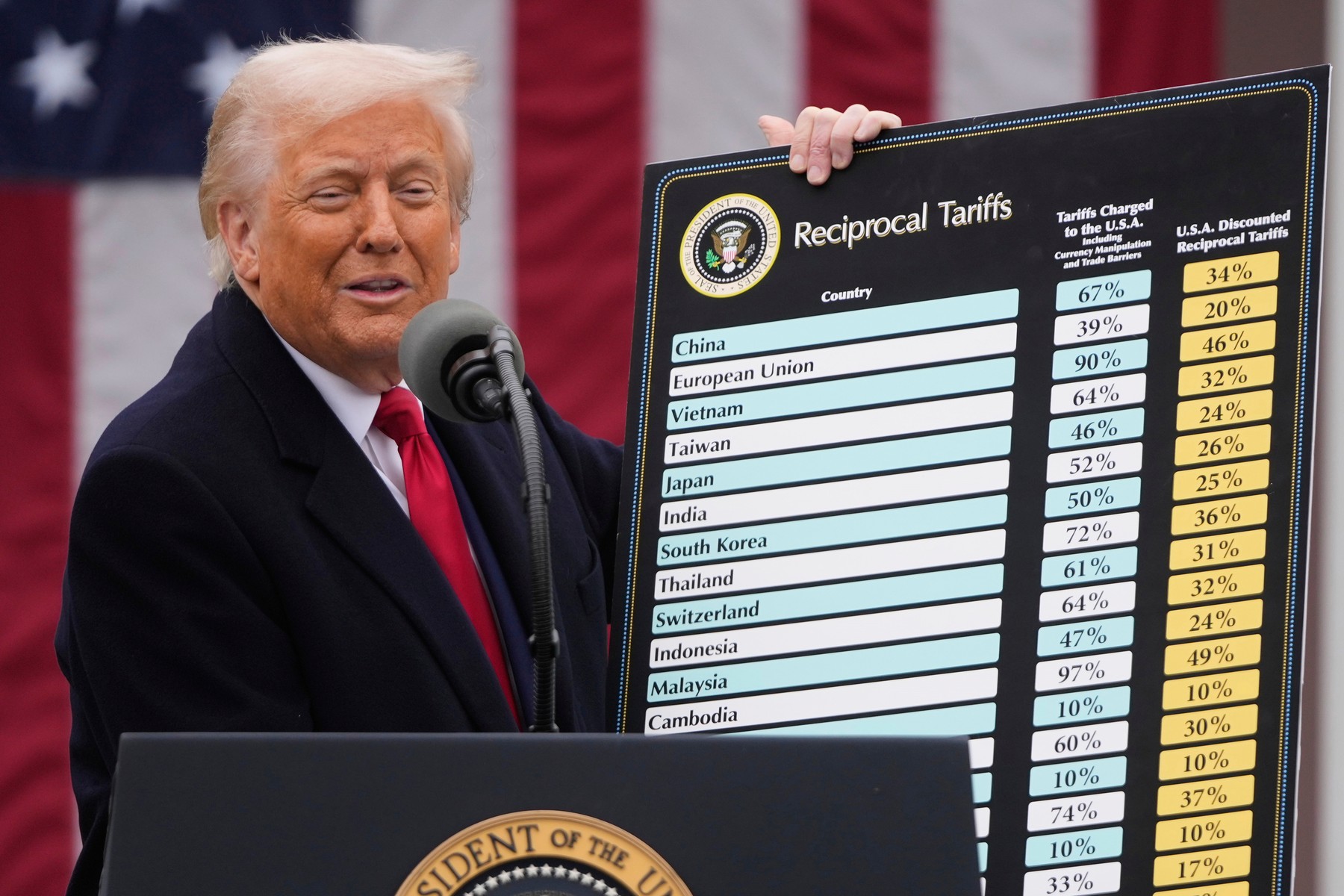
At the heart of the issue is the ever-changing list of so-called reciprocal tariffs that Trump imposed last year using the International Emergency Economic Powers Act (IEEPA).
No president before him had ever used the 1977 law to impose tariffs, prompting the Supreme Court to rule against Trump in February.
The decision sharply limited Trump's trade policy, which the president had used for a wide range of purposes, from combating drug trafficking to protecting political allies abroad.
Over $166 billion in revenue
The government estimates it has collected more than $166 billion in revenue from these import duties.
That outstanding amount is estimated to generate about $650 million a month in additional interest, or about $22 million a day, according to Scott Lincicome, vice president for general economics at the libertarian-leaning Cato Institute.
The tax stakes have led Trump to say throughout the legal battle that a tax cut could plunge the government into a crisis, a claim rejected by economists.
Once the Supreme Court ruled against him, his administration tried to slow the process until the Court of International Trade stepped in in March and ordered the government to return the money to importers.
The Trump administration said it had to set up an entirely new system capable of processing bulk refunds and distinguishing illegal from legal tariffs on the same goods.