NATO countries, a new challenge to Trump. They have another plan regarding the Strait of Hormuz

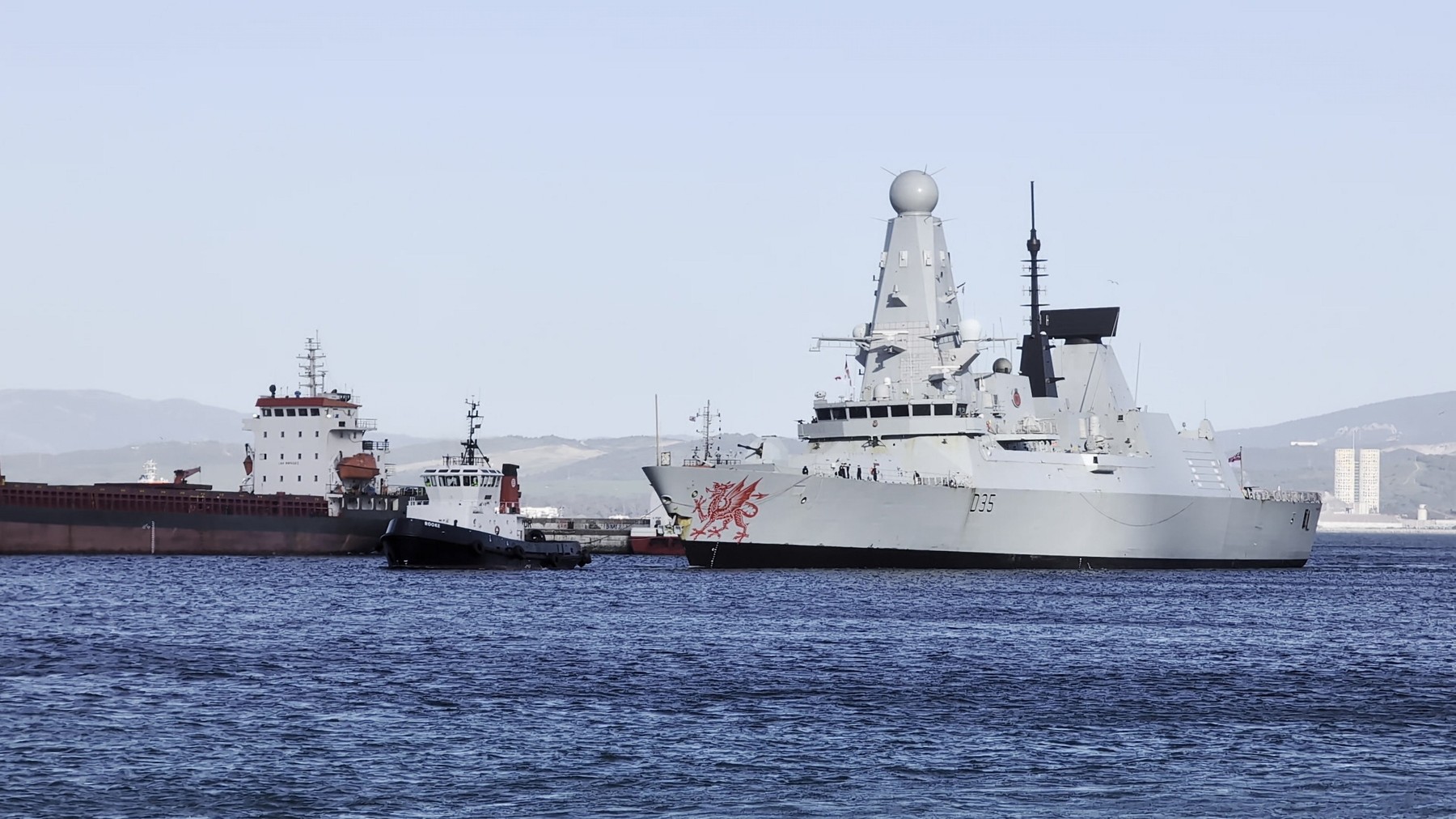
NATO allies announced on Monday that they will not get involved in US President Donald Trump's plan to block the Strait of Hormuz, proposing instead to intervene only after the fighting stops, a move that risks angering Trump once again and heightening tensions within the alliance, writes Reuters.
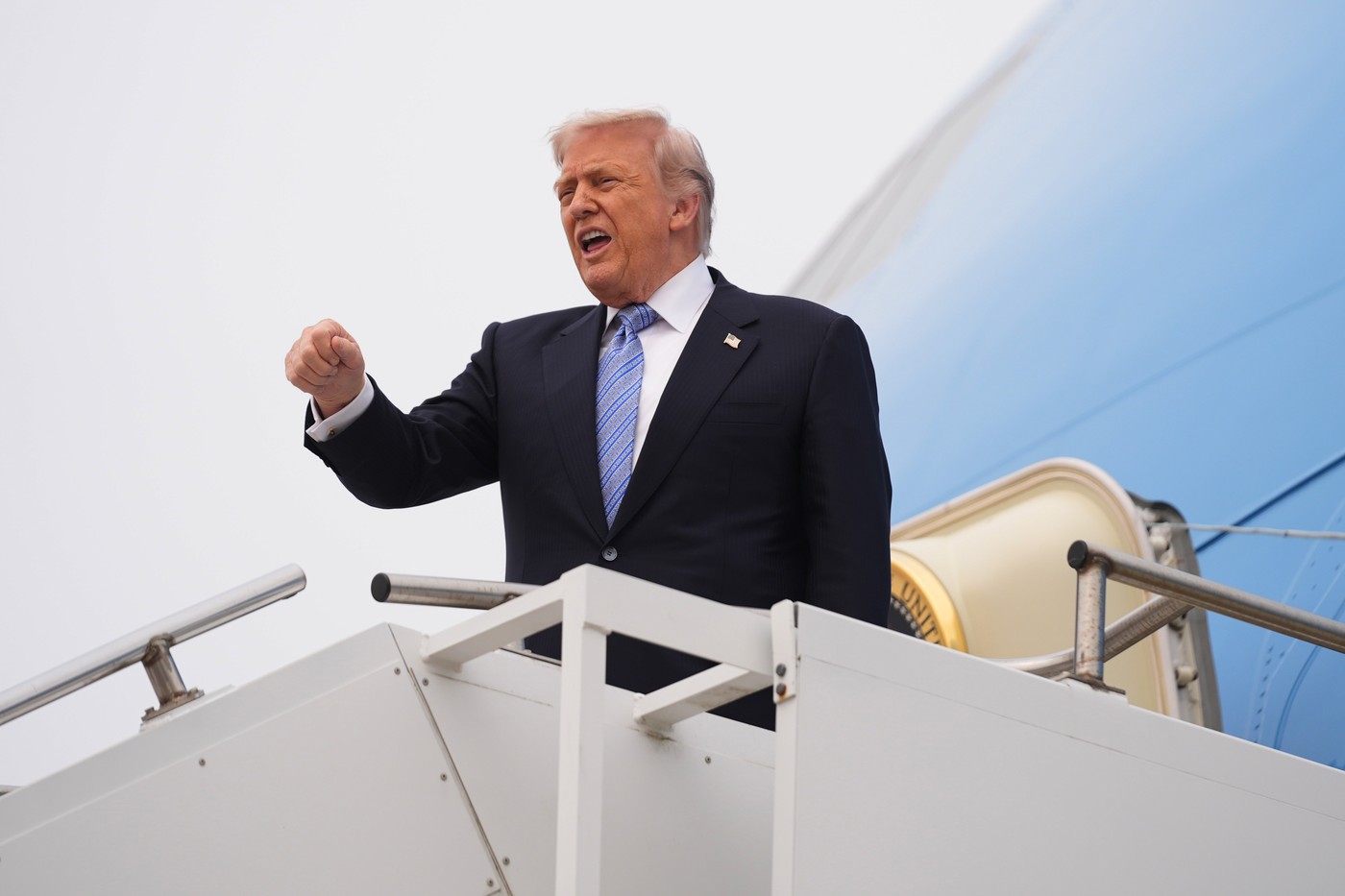
Trump said the US military would work with other countries to block all maritime traffic in the waterway after weekend talks in Islamabad, Pakistan, failed to produce a deal to end the six-week conflict with Iran.
The US military later specified that the blockade, which began at 5:00 p.m. (Romanian time) on Monday, would only apply to ships bound for or coming from Iranian ports.
Since the start of the war on February 28, Iran has largely blocked the strait to all but its own ships. Tehran has sought to make its control of the strait permanent and possibly levy taxes on ships using this crucial route for global trade, through which a fifth of oil and liquefied natural gas shipments pass.
“The blockade will begin shortly. Other countries will be involved in this blockade,” Trump said in a post on Truth Social on Sunday.
But NATO countries, including Britain and France, have signaled they will not be drawn into the conflict by participating in the blockade, instead saying they are working on an initiative to open the waterway.
Their refusal to participate is yet another source of tension with Trump, who has threatened to withdraw the US from the military alliance and is considering withdrawing some US troops from Europe after several countries denied US military aircraft access to their airspace for bombing missions over Iran.
Considerable pressure
“We do not support the blockade,” British Prime Minister Keir Starmer told the BBC.
“My decision was very clear: no matter the pressure, and there was considerable pressure, we will not be dragged into war,” Starmer said.
NATO Secretary General Mark Rutte has told European governments that Trump wants “concrete commitments” in the near future to help secure the Strait of Hormuz, diplomats told Reuters last week.
NATO could play a role in the strait if its 32 members reach an agreement on the formation of a mission, Rutte said on April 9.
Several European countries have indicated that they are willing to help in the strait, but only after hostilities cease permanently and an agreement is reached with Iran that their ships will not be attacked.
France will hold a conference with Britain and other countries to set up a multinational mission to restore navigation in the strait, French President Emmanuel Macron said on Monday.
“This strictly defensive mission, distinct from the belligerent parties, will be deployed as soon as the situation allows,” Macron said.
The initiative aims to establish rules on safe transit and coordination of military vessels to escort oil tankers, Starmer told parliament in London on Monday.
“I want to be very clear: this is about protecting shipping and supporting freedom of navigation once the conflict is over. Our common objective is a co-ordinated, independent and multinational plan,” said the British prime minister.
A meeting to draw up plans for the mission, which will involve around 30 countries, including the Gulf states, India, Greece, Spain, Italy, the Netherlands and Sweden, could take place as early as Thursday in Paris or London, a French diplomatic source revealed.
The warships would provide security without being belligerent, the source said, adding that Iran and the US would be briefed on the mission but would not play a direct role.
Another European diplomatic source questioned whether Trump would welcome a mission now that he has ordered the blockade.
“Since Trump is now using the strait as his own leverage, does he still want a mission there?” the source said.
The Strait of Hormuz should be reopened through diplomacy, Turkish Foreign Minister Hakan Fidan said on Monday, adding that establishing an international force to oversee it would be complicated. He called on NATO to restore relations with Trump at the Ankara summit scheduled for July.