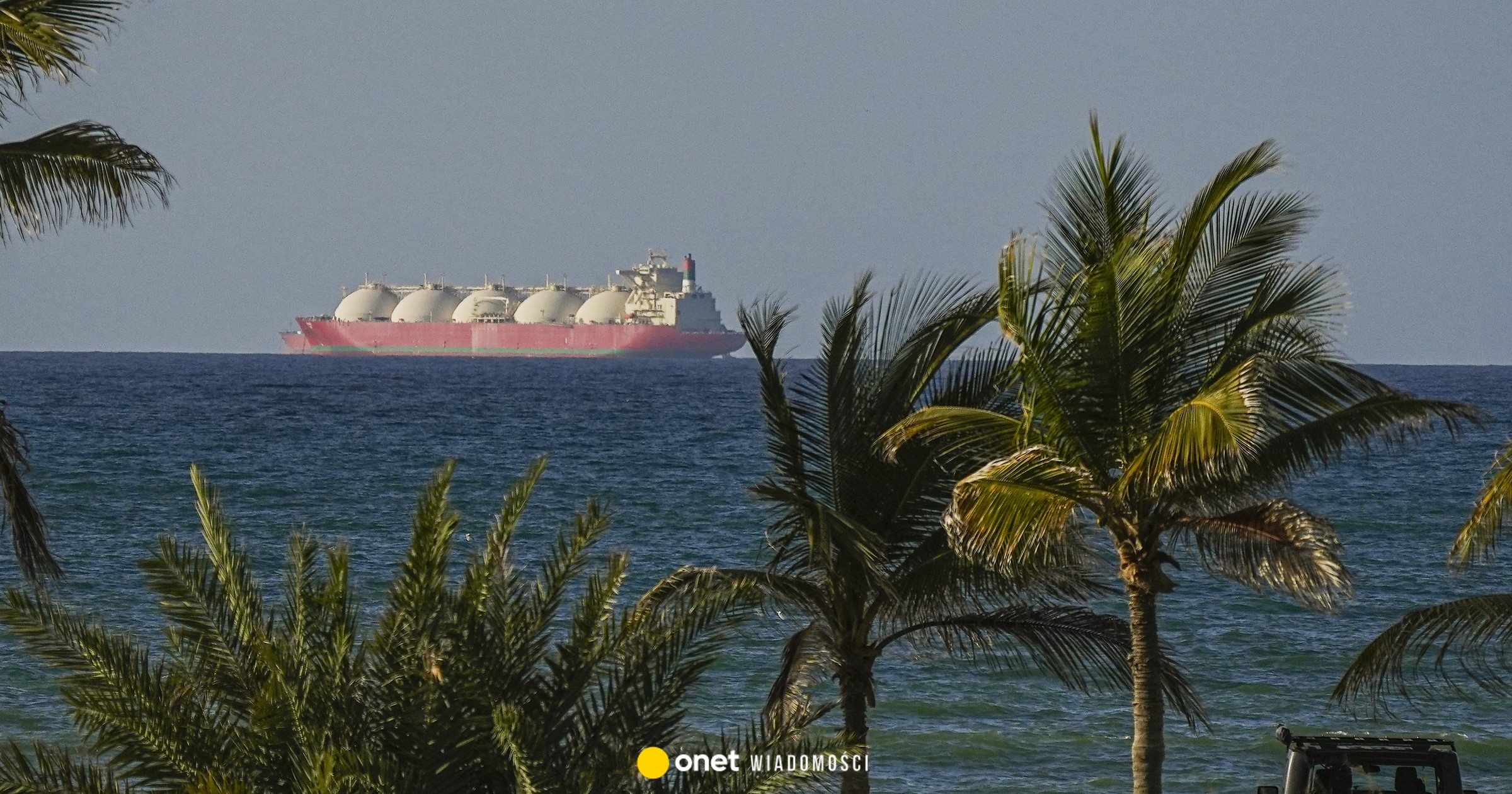
One of the more than 600 ships stuck in the Strait of Hormuz has watermelons growing on it. They were planted by a Chinese sailor who, together with his crew, has been blocked there for 21 days. It seems very likely that he will be able to harvest the fruit before his tanker moves.
Both Iran and the US have decided to escalation of the conflict. The Islamic Revolutionary Guard Corps decided on Saturday to close the strait again. The Americans, for their part, are threatening new tactics that sow fear and terror among the crews of the trapped ships.
The situation would become truly serious if Iran took seriously the threat the regime announced on Sunday morning.
At the end of last week, everything looked good for a while. The Strait of Hormuz was open – apart from the illegal customs system through which Iran's Islamic Revolutionary Guard Corps seeks to enrich itself from international shipping traffic. And the US blockade of all Iranian ships, which Washington put into effect on Monday.
However, on Saturday, Tehran changed its mind and suspended traffic in the strait. The authorities said the blockade will remain in force until the US stops preventing Iranian ships from passing through.
Behind the scenes, both sides of the conflict are still negotiating intensively. According to the well-informed American platform Axios, the United States is even ready to transfer up to $20 billion to Iran. frozen assets if the mullahs release their enriched uranium.
The US is getting ready
At the same time, however The Americans are gathering additional forces in the regionas an overview of aviation and military trackers shows. The so-called Task Force 59, a state-of-the-art unit of the United States Navy established in 2021.
Using AI-powered drones, the unit monitors everything that passes through the strait — or tries to do so. When ships approach without permission, the unit attacks using cutting-edge psychological weapons. For example, LRAD (Long Range Acoustic Device) devices that direct sound waves with an intensity of up to 150 decibels (about 15 times louder than a police siren) directly to the captain's bridges, immediately immobilizing the entire crew.
The article continues below the video
The unit also has a modern one in its arsenal laser weaponwith which he can blind ship captains – just as dishonest fans often do in football stadiums to opposing players.
As if that wasn't enough, according to the Wall Street Journal, the US Navy is preparing for real days ahead pirate attacks. Using speedboats and special helicopters, elite units such as the Navy SEALs are to be dropped directly on tankers and take control of them. The US has carried out similar attacks in recent months on ships flying the Venezuelan flag. However, if American elite soldiers intercepted tankers in the international waters of the Strait of Hormuz, it would be a new stage of war escalation.
Iran does not remain a passive observer of these events. Over the weekend, his Islamic Revolutionary Guard Corps fired speedboats at at least two Indian-flagged ships that came too close to the Strait of Hormuz.
The Houthis have a dangerous asset up their sleeve
According to research conducted by the New York Times, Iran not only has numerous agile motorboats, but still owns approximately 60 percent. its missile launchers and approximately 40 percent combat drones. That's more than enough to turn the Strait of Hormuz into a burning sea battlefield.
American piracy tactics and Iranian missiles are only part of the threat. In Europe, we would feel much more serious consequences if Yemen's Houthi rebels actually joined the war now. Iran and members of the Yemeni movement made the threat on Sunday. The Houthis said they would block the Bab al-Mandab Strait at the entrance to the Red Sea if Trump “continues to obstruct peace.”
If the Houthis keep their word, suddenly not only the supply of oil and gas from the Persian Gulf will be at risk all trade between Asia and Europemuch of which flows through the Bab al-Mandab Strait (known as the “Gate of Tears”). Israel would suffer the most, losing about a third of all its imports in the blink of an eye.
The already fragile ceasefire between the parties to the conflict in the Middle East expires on Wednesday.
I’m Ashley Davis as an editor, I’m committed to upholding the highest standards of integrity and accuracy in every piece we publish. My work is driven by curiosity, a passion for truth, and a belief that journalism plays a crucial role in shaping public discourse. I strive to tell stories that not only inform but also inspire action and conversation.