The latest information on the US-Iran negotiations. When the ceasefire expires and why Pakistan is preparing for talks that may not happen

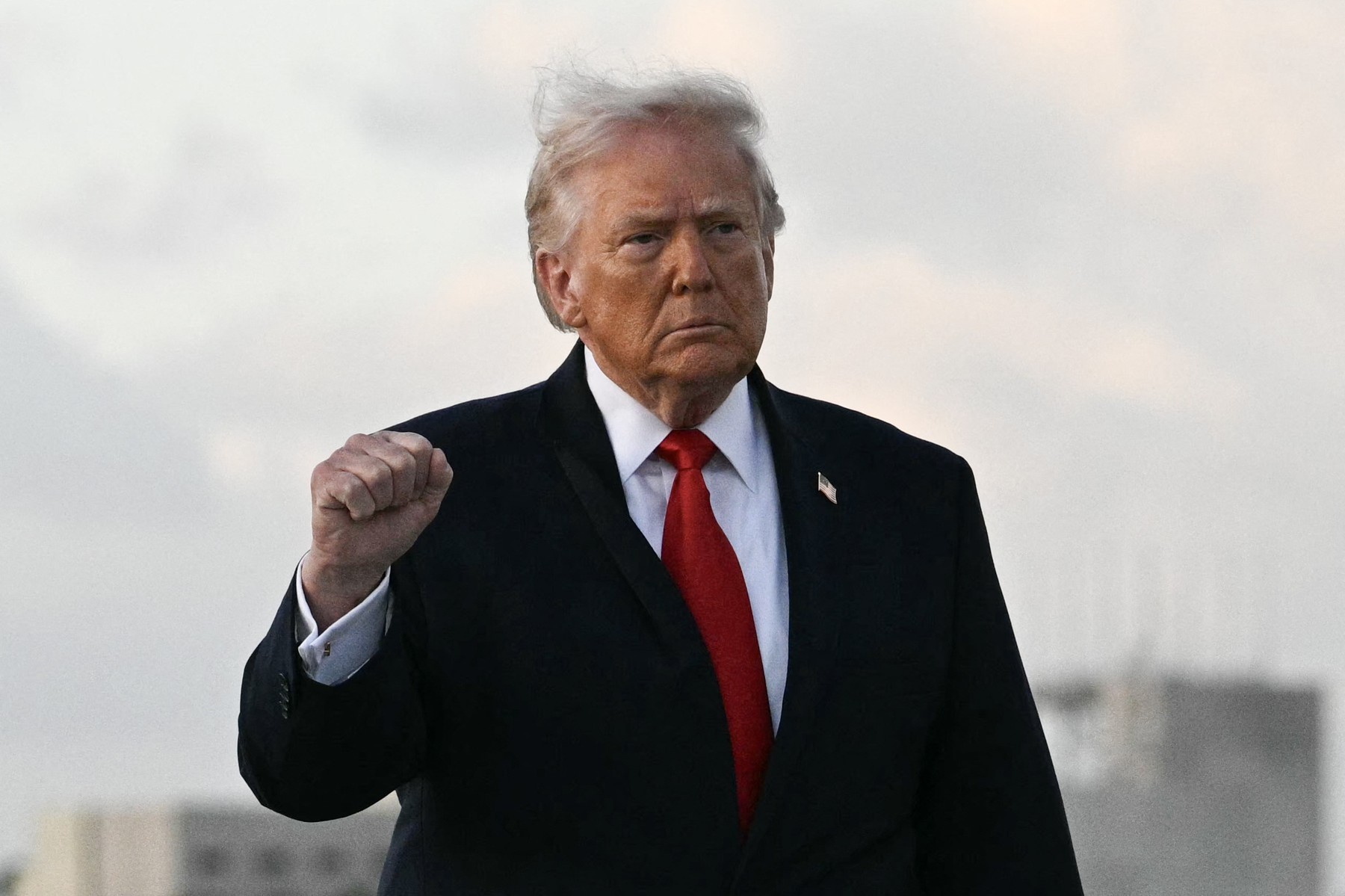
Fears that the US-Iran truce that expires on Wednesday will not be extended intensified on Monday after the US seized an Iranian ship in the Gulf of Oman and Tehran threatened to retaliate.
Efforts for lasting peace in the region also appear to be on shaky ground, to say the least, after Iran said it would not participate in a second round of talks that the US had hoped to initiate before the truce expires.
- When does the US-Iran truce expire? It is not very clear, notes Reuters, recalling that Trump announced the cessation of hostilities for two weeks on April 7 at 22:32 GMT. April 21 would mark two weeks since its announcement. That could be Tuesday night in the United States — or Wednesday morning in Iran.
The blockade in the Gulf continues
The United States has maintained a blockade of Iranian ports, while Iran has lifted and then reimposed its own blockade on maritime traffic passing through the Strait of Hormuz, which typically handles about a fifth of the world's oil supplies.
And on the night of Sunday into Monday the US Navy rammed a huge Iranian ship that wouldn't stop in the Gulf of Oman and then US Marines went in with helicopters to take control of it.
The Iranian military said the ship came from China. “We warn that the armed forces of the Islamic Republic of Iran will soon respond and retaliate against this act of armed piracy by the US military,” a military spokesman said, according to state media.
Oil prices rose more than 5 percent and stock markets were hit amid traders' fears that the truce would collapse and traffic through the Persian Gulf would remain at a minimum.
Iran rejects new peace talks
Iranian state media reported that Tehran rejected new peace talks, citing the current blockade, threatening rhetoric, as well as Washington's shifting positions and “excessive demands”.
“It cannot restrict Iran's oil exports and at the same time expect others to enjoy unrestricted security,” Iran's First Vice President Mohammadreza Aref wrote on social media.
“The choice is clear: either a free oil market for all or the risk of significant costs for everyone,” he added.
Trump has previously threatened Iran that the US will destroy every bridge and power plant in Iran if Tehran rejects its terms.
Iran has said that if the United States attacks its civilian infrastructure, it will hit the power plants and desalination plants of its Gulf Arab neighbors.
Preparations for discussions that may not take place
Trump said his emissaries would arrive in Islamabad late Monday, a day before the two-week ceasefire expires.
A White House official told Reuters the US delegation will be led by Vice President JD Vance, who led the first peace talks since the war a week ago, and will also include Trump's emissary Steve Witkoff and his son-in-law Jared Kushner. But Trump told ABC News and MS Now that Vance would not go.
Pakistan, which has played the role of lead mediator, appears to be gearing up for talks.
Two large US C-17 transport planes landed at an air base on Sunday afternoon carrying security equipment and vehicles in preparation for the arrival of the US delegation, two Pakistani security officials said.