They pay up to 100 euros for votes. Shocking behind the scenes of the elections in Bulgaria

2026-04-16 19:06
publication
2026-04-16 19:06
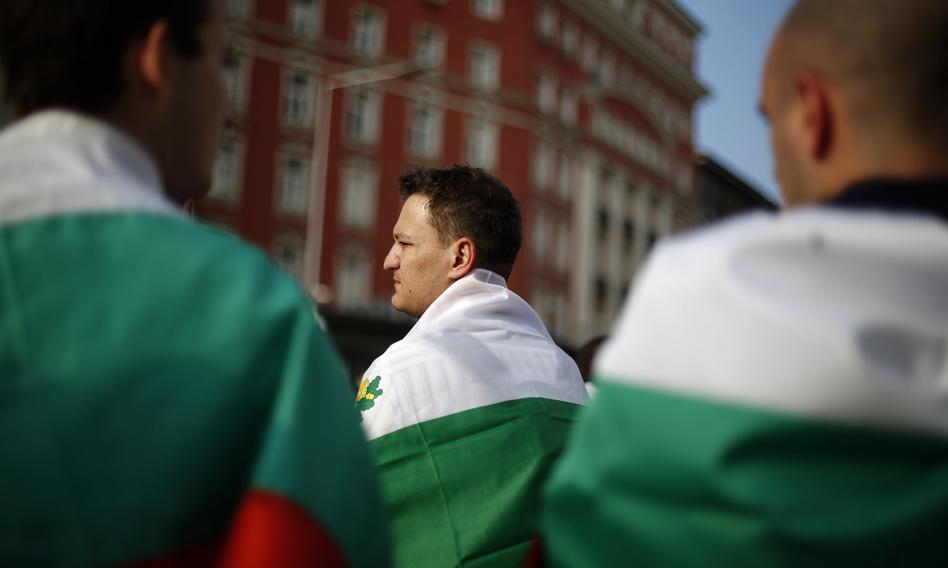
Bulgaria's Interior Ministry is reporting intense vote buying ahead of Sunday's parliamentary elections. Over 500 people have already been detained in connection with this practice, the ministry informed.
“There is no greater danger for a given country and society than the trade in democracy,” interim Prime Minister Andrei Giurov said on Thursday at a meeting with journalists.
At a press conference at the beginning of the week, the head of the operational services of the Ministry of Internal Affairs, Georgi Kandev, announced that the police had confiscated over EUR 1 million in cash from people associated with vote trading. According to the police, the price of one vote is between 50 and 100 euros.
Experts say that judging by the situation in previous years, the DPS-New Beginning party of oligarch Delian Peewski, which operates in regions with a large Turkish minority, such as Kardzhali, is the leader in buying votes.
Interim Prime Minister Giurov announced that the Ministry of Internal Affairs had recorded numerous attempts to buy votes with counterfeit banknotes. In mid-March, a car containing 1 million fake euros, manufactured in Romania, was stopped.
The police most often reveal vote buying in stores where the poorest Bulgarians shop and where the debt for the sold vote is forgiven. Votes are also purchased by transfers to payment cards.
Vote trading is not a new phenomenon in Bulgaria, but – according to the Ministry of Interior – the scale of the practice is currently five times greater compared to the previous elections in 2024.
The Ministry of the Interior has launched special telephone and e-mail addresses where you can report vote trading. According to the ministry, numerous representatives of local authorities are involved in the practice.
Bulgarians will vote on Sunday in the parliamentary elections, the eighth in the last five years. Candidates from 14 parties and 10 coalitions will run for seats in the 240-person, unicameral National Assembly. The latest polls show that the Progressive Bulgaria coalition of former president Rumen Radev is leading with support at around 30 percent. In second place is the center-right GERB party of former Prime Minister Boyko Borissov with approximately 20 percent, and in third place is the centrist formation We Continue Change – Democratic Bulgaria with approximately 10 percent.
Ewgenia Manołowa (PAP)
man/ap/mal/