Beer dominated the alcohol market in Poland. “Zero percent alcohol advertising is needed soon”

2025-06-22 14:15
publication
2025-06-22 14:15
More and more young Polish women and Poles are reaching for alcohol – according to a study conducted by the National Research Group for the GrowSpace Foundation, which in Katowice presented a report on the alcohol initiation of young people in the context of the harmfulness of alcohol advertising.
According to the report, 62.7 percent Polish women and Poles in the 18-29 age group tried alcohol under 18 years old. In older age groups, 50-59, 60-69 and 70 and more years, reaching for alcohol before reaching the age of majority was declared by: 27.5, 21.3 and 23.6 percent.
Studies participants most often indicated that the first time they reached for a beer – 46.8 percent, wine – 28.5 percent, strong alcohols (vodka or whiskey) – 9 percent, champagne, prosecco or sparkling wine – 8.2 percent. Most often they tried alcohol with friends for the first time – 64.8 percent. or at a family party – 24.3 percent
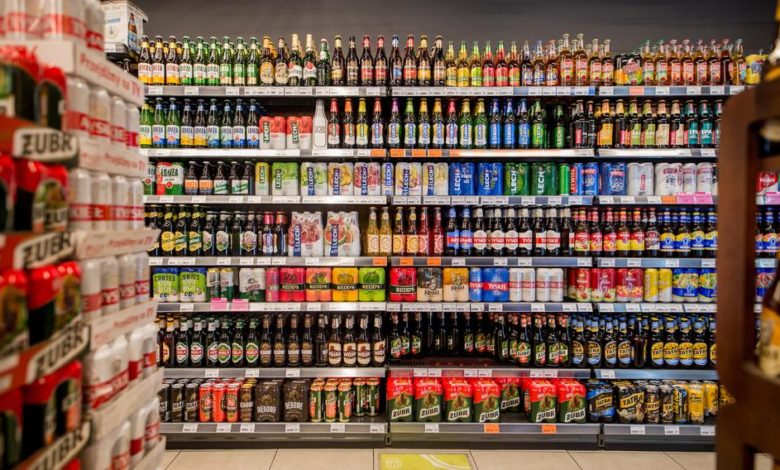
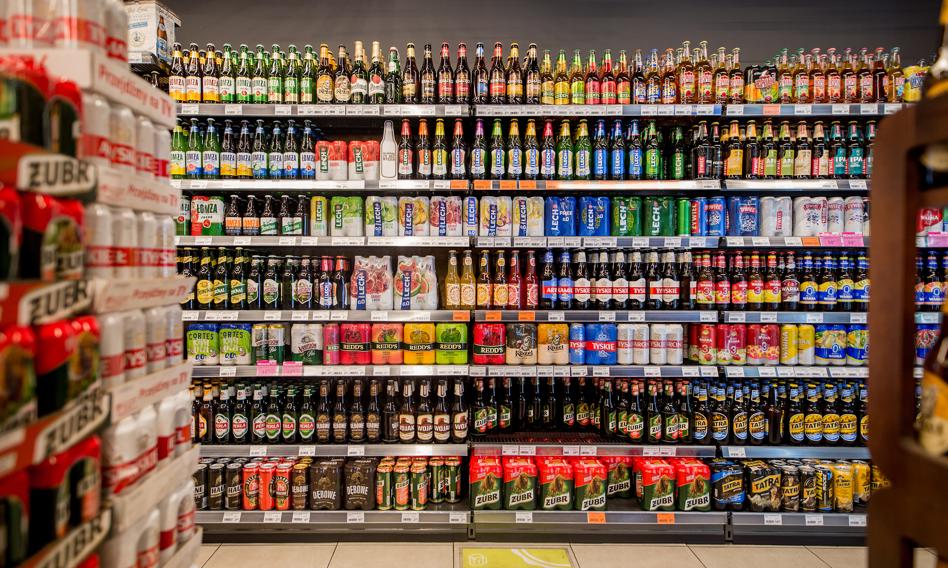
“If we look at a group of Polish women and Poles aged 18-29, then 14 percent of them tried alcohol at the age of 14 or less. Their most common choice was beer. The beer dominated the alcohol market in Poland, is the cheapest and most accessible, we have a leaky system when it comes to the ban on buying it by minors-all this makes more and more young people reach for alcohol” for coordinating and preparing a report as part of the “Zero percent truth” campaign.
He emphasized that in his opinion alcohol advertisements have a significant impact on this. “Alcohol advertising is the only factor creating a drinking culture in Poland. Here there is no counterweight. Young people lack tools that would protect them from advertising manipulation,” said Alan Wysocki.
91.2 percent respondents found that alcohol consumption from a young age has a harmful effect on health. 71.1 percent He declared that he was expecting more decisive activities from early alcohol initiation among minors.
MP of the Civic Coalition and chairwoman of the Children and Youth Committee in the Sejm Monika Rosa during a Monday press conference indicated that it is necessary to regulate the issue of alcohol advertising.
“First of all, we should ban alcohol advertising zero percent. Theoretically, a zero percent product is advertised in this way, and in fact a specific brand that is associated with alcohol. This makes bad habits built. Secondly, aggressive and ubiquitous alcohol advertising on the Internet, which goes to the youngest children. The regulation of this issue is necessary” – assessed Monika Rosa.
She added that the education of children and young people about the threats resulting from alcohol consumption is very important. The GrowSpace Foundation conducted focus research among young people, which showed that it has low awareness about the threats resulting from alcohol consumption.
Among the respondents 61.8 percent He was in favor of a complete ban on alcohol advertising, including beer.
Currently in Poland, alcohol advertising except beer is forbidden. Beer can be advertised provided that advertising, among others It is not addressed to minors, does not combine alcohol consumption with physical fitness or driving vehicles, does not encourage it to consume it, does not cause associations with sexual attractiveness, relaxation or rest, study or work, professional or life success.
As part of the “Zero percent truth” campaign, the GrowSpace Foundation demands the introduction of a total ban on alcohol advertising, including beer and drinks zero percent under the beer brand, as well as alcohol promotion at sales places. In addition, he postulates, among others Consistent enforcement of the ban on the administration and sale of alcohol to minors, strengthening the competences of teachers through training and workshops on the consumption of alcohol by young people, the development and implementation of preventive programs in local environments.
The report announced that the study of the nationwide research group was conducted on a representative sample of 1001 people. A respondents' self -determination method was used. The level of confidence is 95 percent and the statistical error reaches 4.3 percent (PAP)
pato/ agz/