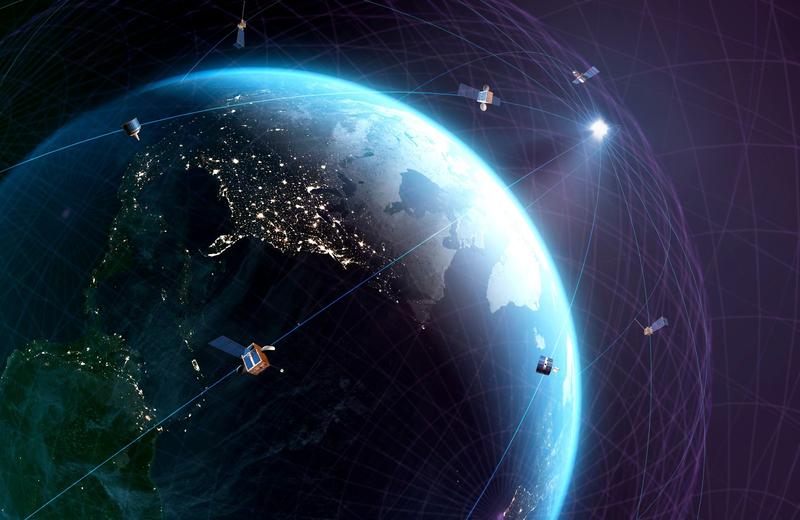
The possibility of Russia using its alleged anti-satellite nuclear capability was the main theme of the latest tabletop war game organized by the United States Space Command, military affairs website Defense One reports.
General Stephen Whiting, head of the United States Space Command, told Space Symposium attendees on Tuesday that Russian weapon development was the subject of the first “Apollo Insight” war game, which ended last month.
The classified exercise involved Space Command officials and more than 60 companies, who discussed the “worst-case” scenario and looked at industry solutions “to help prevent such a situation,” according to a recent statement.
“We completed our first [exercițiu] last month, and this was an event focused on weapons of mass destruction placed in orbit – a development we do not want to see materialize, but reports of Russia's plans to launch such a weapon have forced us to prepare.”
Controversy over Russia's ability to launch a nuclear attack in space
In 2024, President Joe Biden's administration said an experimental Russian satellite suspected of being linked to this weapon had been in orbit for two years. Moscow has denied these claims.
But many defense experts have pointed out that Russia's use of a nuclear weapon in space would constitute a violation of the long-standing Outer Space Treaty.
Other experts pointed out that Russia most likely did not put a nuclear warhead into orbit, but rather a nuclear-powered device to blind, jam or burn out electronics inside satellites. The subject remains controversial to this day.
What is certain is that the new US war game involved a broad group of defense companies, allied states, and several US government organizations that would be most affected and that could ultimately be tasked with developing and deploying a capability to counter nuclear weapons.
Jay Santee, director general of the Aerospace Corp, said in the Space Command statement that participants “left the exercise with a better understanding and awareness of the seriousness of the potential threats and were eager to share their ideas on how they could contribute to solving the problem.”
Several allied countries participated in the US war game
The exercise involved Australia, Canada, New Zealand and the UK, as well as US government organizations including the Department of Energy and NASA.
Although Stephen Whiting and the US Space Command have not disclosed the findings of the exercise, sources describe the devastation such a weapon would cause to satellites in orbit.
“In a purely destructive sense, such a weapon could destroy a large number of satellites. This would occur in two stages: the first would affect satellites within the line of sight of the nuclear explosion; the second would target satellites affected by the increase in the amount of captive particles in the Van Allen belts,” the latest Global Counterspace Capabilities report states.
“Some of the effects would not be felt for days, weeks or even months, as the higher radiation levels would gradually degrade unprotected satellites and could persist for years afterward, jeopardizing the use of space by all countries,” the report added.
The end of the war game preceded criticism in the US Senate that the National Defense Strategy does not adequately address emerging nuclear and space threats.