How Viktor Orban says goodbye to the European political scene. A Brussels tradition will no longer be respected

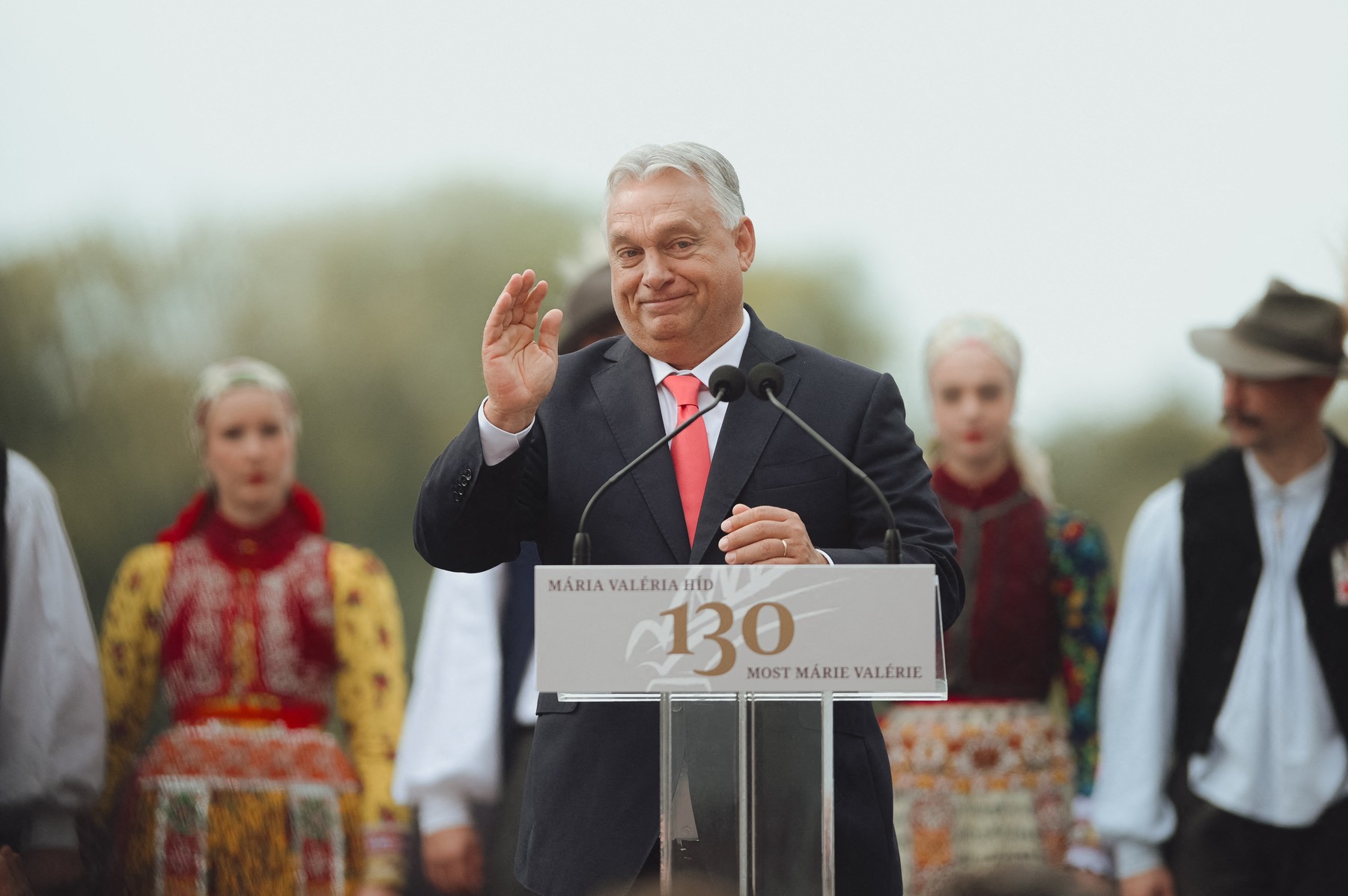
Brussels tradition sees outgoing leaders receive thanks from colleagues and a farewell gift when they attend their last summit. However, this is not the case with Viktor Orban, as he is expected not to attend the meeting.
Acting Hungarian Prime Minister Viktor Orban will not attend next week's informal summit of European Union leaders, according to EU officials quoted by Euronews and Politico on Wednesday. The meeting would have been his last summit as Hungary's prime minister, which usually involves a farewell ceremony.
Orban, who suffered a crushing defeat in Sunday's parliamentary election, is expected to remain in office until opposition leader Peter Magyar, the runaway winner of the polls, takes office sometime in May.
Officials familiar with the preparations said Orban was no longer expected to attend the meeting in Nicosia, Cyprus.
Brussels tradition calls for outgoing leaders to receive a farewell message from their colleagues and a token gift when they attend the final summit as a gesture of appreciation.
According to European Council regulations, Orban can be represented at the meeting by another national leader.
It is currently unclear whether Orban will be represented at next week's summit by anyone else. Slovak Prime Minister Robert Fico, an ideological ally of Viktor Orban, has replaced his Hungarian counterpart in other meetings in the past.
Until his landslide defeat on Sunday, Orban was by far the longest-serving member of the European Council, attending numerous meetings since taking office in 2010.
A disruptive force at the level of the European Council
Viktor Orban has long been a disruptive force in the Council, often using his veto power to block sanctions against Russia and EU aid to Ukraine.
His decision not to attend the Cyprus meeting means his last summit was in March, when he was heavily criticized for vetoing a €90bn EU loan to Ukraine.
Antonio Costa, the president of the European Council, a leader generally seen as a moderate, slammed Viktor Orban for his “unacceptable” decision to backtrack on the deal reached by 27 EU leaders in December. At the time, Orban was negotiating with other European leaders to get a waiver from the joint loan.
The veto lifted by Orban was linked to the interruption of the supply of Russian oil through the Drujba pipeline.
“Leaders spoke out to condemn Viktor Orban's attitude, to remind that a deal is a deal and all leaders must keep their word,” Costa said, venting months of frustration at the Hungarian prime minister's whims. “No one can blackmail the European Council. No one can blackmail the institutions of the European Union,” Costa added.
Peter Magyar has urged Viktor Orban to lift his veto on the EU loan to Ukraine before he steps down as prime minister.