This is how the US blockade works. But there are weak points. And here Iran is looking for its chance

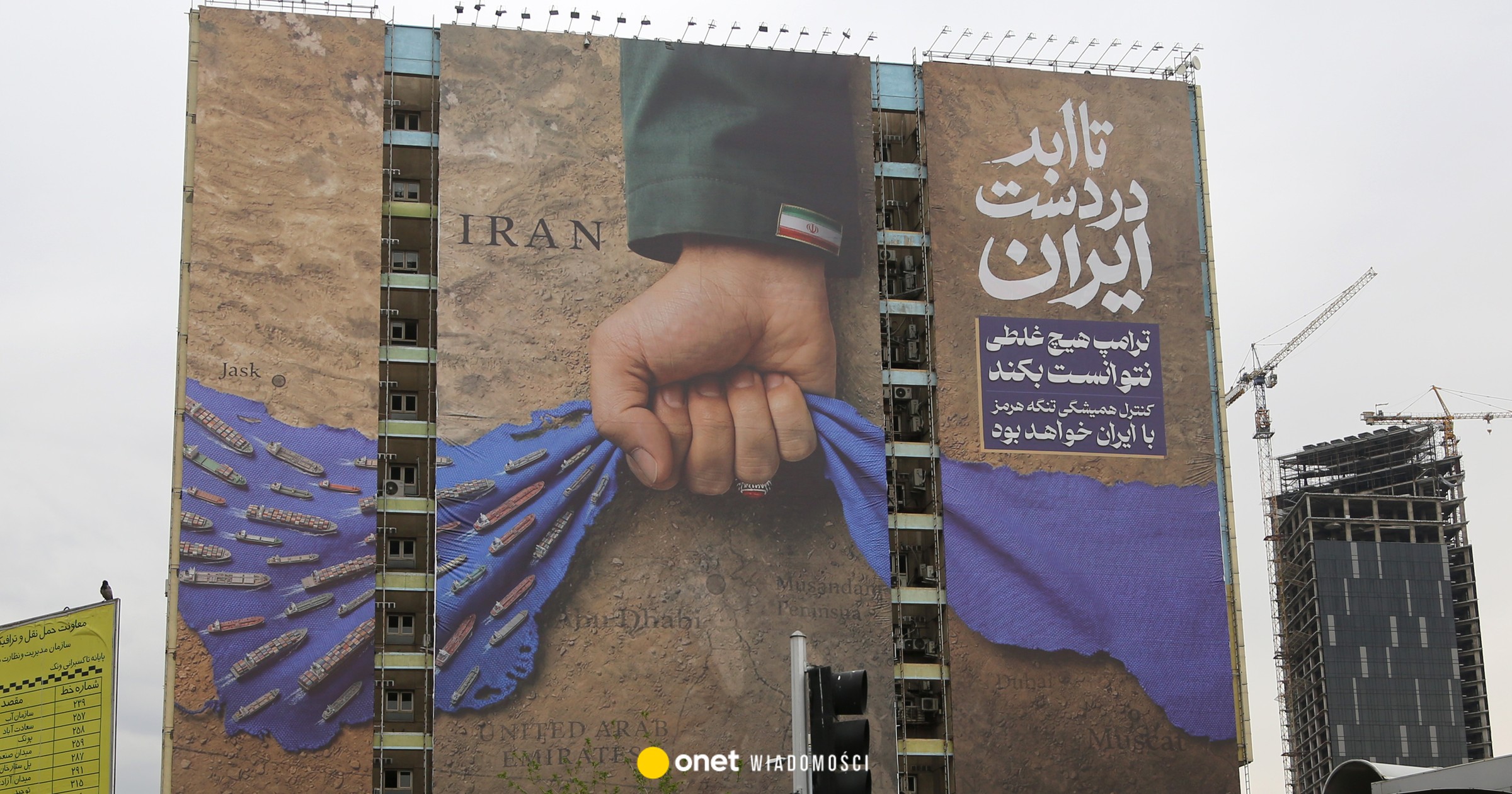
Previously, Iran tried to block this strategic sea route, but at the same time it allowed its own vessels to pass through.
Now the US responds with a counter-blockade. Their goal is to attack one of the main sources of income for the ayatollah regime, i.e. oil exports.
What's really happening at sea – and where is the blockade failing? We explain the US strategy step by step.
Let's imagine that a tanker is in an Iranian port, loaded with oil and sets off on a cruise. This is when the lock comes into play.
According to reports from the Wall Street Journal, the United States monitors every movement of such vessels very carefully, using advanced technologies such as high-resolution satellite images, detailed intelligence data and modern ship tracking systems. By combining these sources of information, it is possible to almost constantly observe the situation at sea in real time.
In practice, this means that as soon as the tanker finishes loading and begins to leave the port, it is quickly detected, precisely identified, and then placed under continuous and careful observation throughout its entire route.
How does the US intercept ships on the open sea?
At the same time, 15 American warships are operating in the Gulf of Oman, including an aircraft carrier and several destroyers. They create a clear demonstration of strength.
However, let's assume that the tanker in question continues its voyage despite everything. The Americans initially do not intervene and allow it to continue — especially when the unit is located in the narrowest, most sensitive section of the Strait of Hormuz. This is where the situation is most tense, because this area is of great strategic importance and is under constant surveillance by both the US and Iran.
Stopping the ship in such a place would involve a very high risk of escalating the conflict. Iran could then respond almost immediately — perhaps with a missile attack, the use of combat drones, or the dispatch of fast, armed boats that are difficult to detect and can act by surprise. In such a tight and crowded sea lane, even a minor incident could quickly turn into a serious military clash, which is why the Americans prefer to be cautious and postpone possible intervention until a safer moment.
Instead, US forces are waiting further, already in the open waters of the Gulf of Oman. When the tanker enters this area, the actual capture operation begins. American warships and helicopters are approaching the unit. Special forces are used in such operations – soldiers descend from helicopters and take control of the ship.
At least this scenario constitutes an element of pressure and deterrence.
The deterrent effect works
The American blockade is already clearly beginning to produce its first effects and influence the situation in the region: for some time, there has been no record of any ship leaving Iranian ports and passing through the Strait of Hormuz without any problems.
Such a standstill in maritime traffic shows the strong deterrent effect of the United States' actions and the great risk currently associated with attempting to transport oil this route. Shipowners and ship operators apparently prefer to refrain from voyages or look for alternative solutions rather than expose themselves to a potential takeover of the vessel or escalation of the conflict.
The United States is taking action to make this sea lane safer. According to the Wall Street Journal, the US Navy is trying to remove possible Iranian sea mines from the strait. As part of its own blockade, Iran claimed that part of the area had been mined.