Historic meeting: The first direct negotiations between Israel and Lebanon in 43 years. Marco Rubio wants a framework for peace

US Secretary of State Marco Rubio hosted a rare meeting between Israeli and Lebanese representatives in Washington on Tuesday, saying he hoped the two countries would reach an agreement on a framework for the peace process, even as Israel continues its war against the Shiite group Hezbollah, reports Reuters.
The two countries entered their first direct talks since 1983 with conflicting agendas, with Israel ruling out talks on a truce and demanding that Beirut disarm Hezbollah, an Iran-aligned group.
But the presence of Rubio, President Donald Trump's top diplomat and national security adviser, signaled Washington's desire to see progress.
Critical moment in the conflict in the Middle East
The meeting comes at a critical moment in the Middle East crisis, a week after a fragile truce between the United States, Israel and Iran.
Iran argues that Israel's current campaign of airstrikes on Hezbollah targets in Lebanon must be included in a broader ceasefire agreement, complicating Pakistan-brokered talks aimed at preventing further economic fallout.
The conflict that began with US-Israeli attacks on Iran on February 28 has led to the largest oil supply disruption in history, putting pressure on Trump to find a way out.
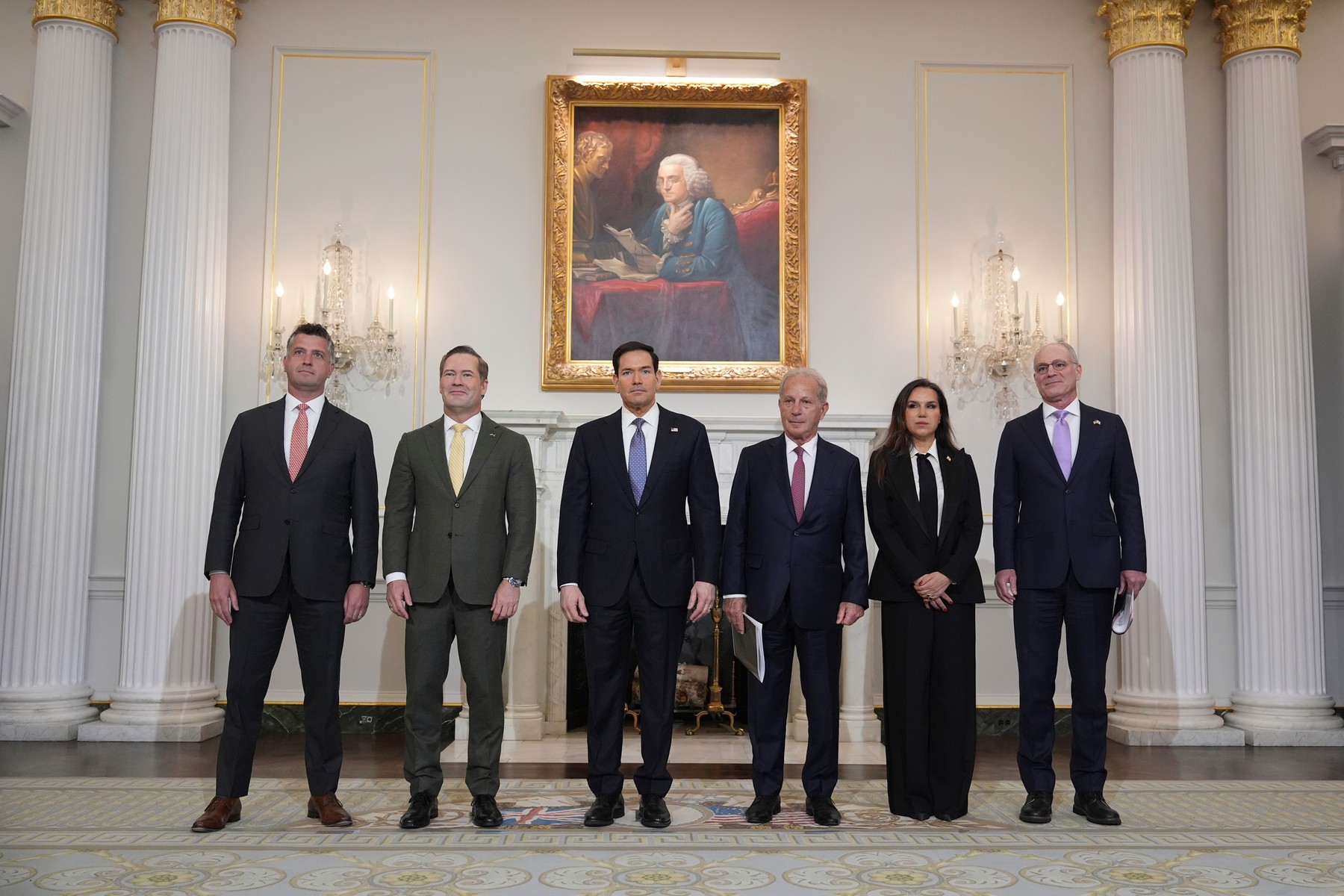
Rubio opened the meeting between Israel's ambassador to the US, Yechiel Leiter, and his Lebanese counterpart, Nada Hamadeh Moawad, saying he hoped the talks would mark the beginning of a process aimed at ending the conflict in Lebanon for good and preventing Hezbollah, which he called “a puppet terrorist group of Iran,” from threatening Israel.
The meeting marks a rare meeting between representatives of governments that have technically remained in a state of war since Israel's founding in 1948.
“This is a process, not an event. It's more than just one day. It will take time, but we think it's worth the effort and it's a historic meeting that we hope to build on. The hope today is that we can outline the framework upon which a permanent and lasting peace can be built,” Rubio said.
The US top diplomat hosted the talks on Tuesday amid questions about his lack of personal involvement in the Iran negotiations, with the Republican president sending Vice President JD Vance to Islamabad over the weekend to lead the delegation of US negotiators.
Rubio was with Trump in Florida watching an MMA (mixed martial arts) event while Vance was announcing in Pakistan that talks with the Iranians had ended without any progress.
State Department adviser Michael Needham, US ambassador to the United Nations Mike Waltz, and US ambassador to Lebanon Michel Issa, a personal friend of Trump, also attended Tuesday's talks in Washington.
Lebanon is seeking a ceasefire
Lebanese President Joseph Aoun said in a statement published on X at the beginning of the meeting that he hoped it would “mark the beginning of the end of the suffering of the Lebanese people in general and the residents of the south in particular.”
The Lebanese government led by Aoun and Prime Minister Nawaf Salam has called for negotiations with Israel despite objections from Hezbollah, reflecting rising tensions between the Shiite Muslim group and its opponents.
Hezbollah opened fire in support of Tehran on March 2, triggering an Israeli offensive that has killed more than 2,000 people and forced 1.2 million people from their homes, according to Lebanese authorities.
Lebanese officials said Ambassador Nada Hamadeh Moawad only had the authority to discuss a truce at Tuesday's meeting.
But Israeli government spokesman Shosh Bedrosian said Israel would not discuss a truce.
Israeli Foreign Minister Gideon Saar told reporters in Jerusalem ahead of the meeting in the US capital that talks would focus on disarming Hezbollah, which he said must happen before Israel and Lebanon can sign any kind of peace deal and normalize relations.
Saar said Hezbollah is a problem for Israel's security and Lebanon's sovereignty that must be resolved to move relations to a different phase. “We want to reach peace and normalization with the Lebanese state,” he said.
The Lebanese state has been trying to disarm the Hezbollah group peacefully since the 2024 war between the militia and Israel. Any attempt by Lebanon to disarm it by force risks triggering a conflict in a country devastated by the 1975-1990 civil war. A crackdown on the militant group by a Western-backed government in 2008 led to a brief civil war.
The current government banned Hezbollah's military wing after the Shiite organization opened fire on Israel last month.