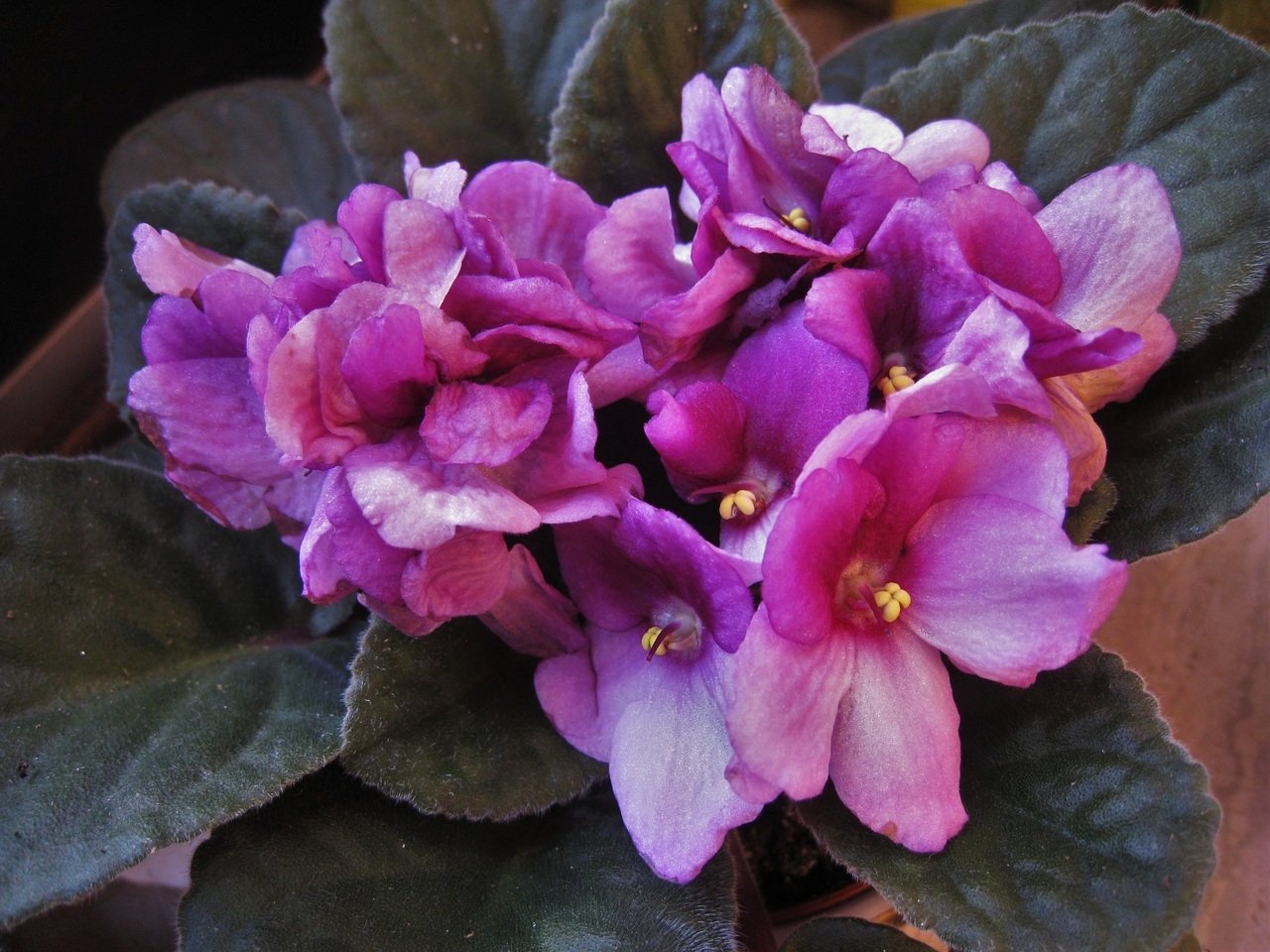
In May, indoor violets need nutrition, since it is during this period that the foundation for future lush flowering is laid. Experienced flower growers claim that timely feeding directly affects the number of buds.
A complex fertilizer is ideal for violets, which contains 3 key components: potassium, phosphorus and nitrogen. All of these elements are present in potassium monophosphate.
How to prepare and fertilize
Add 1 g of the drug to 1 liter of water at room temperature, mix thoroughly and pour the violet over the damp soil. It is also recommended to test the acidity of the soil using a litmus strip.
If the pH value exceeds 6.5, pour a weak solution of citric acid (1 g per 1 liter of water) over the violet. Also, for 2 months, completely eliminate any nitrogen fertilizing, including compost and urea.
Step-by-step scheme for fertilizing with potassium monophosphate
The first time, apply fertilizer at the root (100 ml of ready-made solution for each bush), after 10 days, spray the leaves through a spray bottle (50 ml of solution per plant).
Repeat the fertilizing cycle until buds appear. However, there will be no result if you make 5 common mistakes:
- water the violet with cold water;
- Apply fertilizer during the dormant period (November to February);
- The violet stands in direct sunlight.
Following these simple rules and avoiding common mistakes will help the violet reveal its potential and delight you with a cap of bright flowers. The main thing is to remember that for this plant what is more important is not the amount of fertilizing, but their precise balance and timeliness.