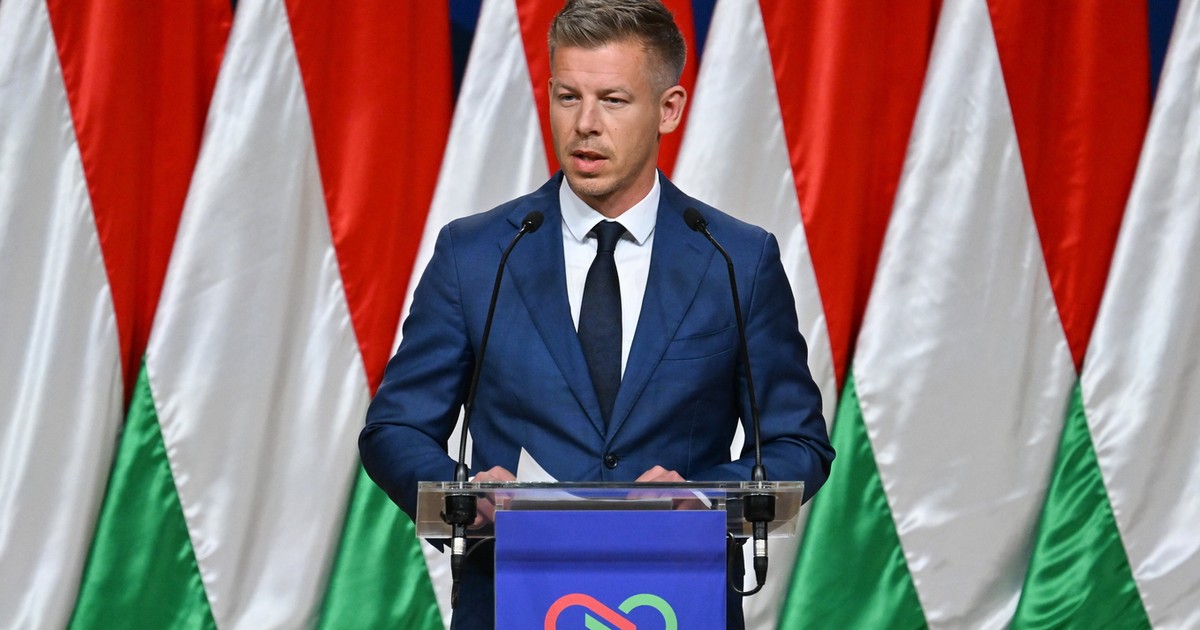
The leader of the winning party in Hungary, Tiszy Peter Magyar, he promised during the election campaign to quickly unblock EU funds. The funds in question are EUR 17 billion, frozen due to concerns about the rule of law.
Magyar announced the adoption of anti-corruption laws and reforms restoring the independence of the judiciary, which is a key requirement of the European Commission.
Zselyke Csaky emphasizes that The EC will wait for the implementation of at least some of the promised changes. In her opinion, The Commission has drawn lessons from the situation in Poland, where the release of funds occurred without full implementation of reforms.
Read also: Will Viktor Orban lose power in Hungary? The preliminary election results are already in
The expert notes: “The Commission has learned that releasing money without reforms is not good practice.”
In the case of Poland, Donald Tusk's government presented a detailed reform plan, but not all changes, such as those regarding the National Council of the Judiciary, were ultimately implemented. Some of the acts did not receive the president's signature, which limited progress in implementing the EC requirements.
Hungary is waiting for the CJEU decision
Csaky also reminds that the Court of Justice of the European Union will soon issue a ruling on the European Parliament's complaint against the EC's decision to unblock EUR 10 billion for Hungary. The Parliament found that these funds were unjustly released as a result of a political compromise in exchange for Viktor Orban's withdrawal of his veto on aid to Ukraine.
Read also: This is why Hungary buys raw materials from Russia. This reason is crucial
“For this reason, the EC will have to be more stringent in the future,” the expert notes.
At the same time, Csaky notes that the Magyar government, having a qualified majority in the Hungarian parliament, it can implement some of the reforms relatively easily.
“How Magyar will communicate these changes in the public debate is another matter,” he adds. The leader of the new government did not reject all elements of Viktor Orban's policy, supporting some solutions, such as those regarding migration policy. On the Ukraine issue, Magyar has so far remained cautious.
The expert predicts that Magyar may try to pursue an assertive policy towards the EU in selected areas, while simultaneously implementing the CJEU judgment in matters relating to asylum law. It is worth recalling that Orban's government lost a case before the EU court regarding non-compliance with EU asylum regulations. Csaky emphasizes: “These two issues – assertiveness towards migration and compliance with the CJEU rulings – do not have to be contradictory.”