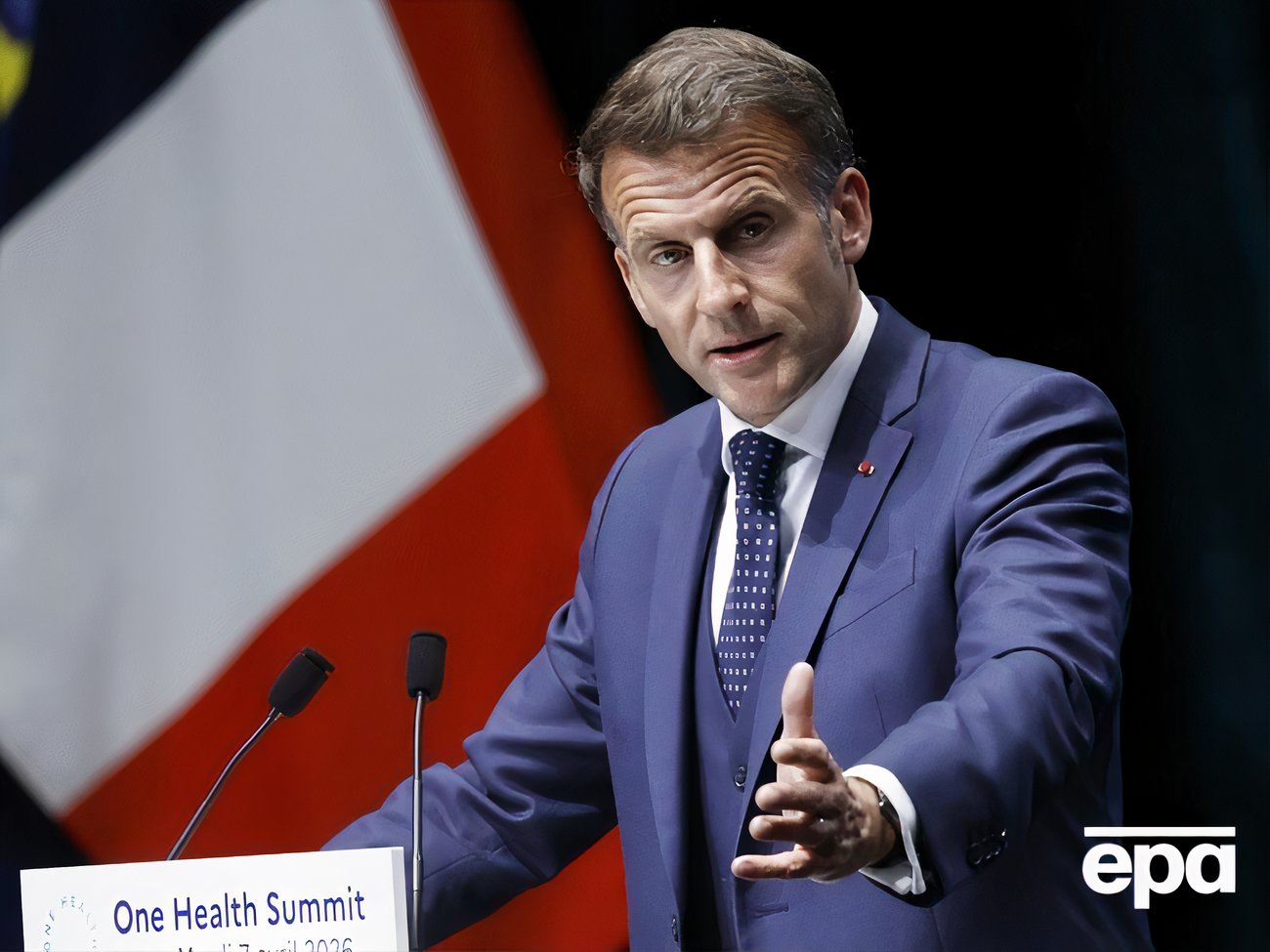
He called for an overall solution to the crisis in the Middle East caused by the US and Israeli military operation against Iran and the retaliatory strikes. This should provide the region with a reliable foundation “allowing everyone to live in peace and security.”
“To this end, all key issues must be addressed through sustainable solutions – be it Iran's nuclear and ballistic activities, its destabilizing actions in the region, the need to restore free and unimpeded navigation through the Strait of Hormuz as soon as possible, and the need to ensure Lebanon's return to the path of peace with full respect for its sovereignty and territorial integrity,” the post said.
Paris and London are organizing a conference in the coming days with the participation of countries willing to contribute to a “peaceful multinational mission” aimed at restoring freedom of navigation in the strait.
“This strictly defensive mission, not related to the parties to the conflict, will be deployed as soon as circumstances allow,” the French president concluded.
On April 12, it became known that Great Britain does not plan to join the blockade of the Strait of Hormuz, which was announced by US President Donald Trump. Before this, the head of the White House stated that Great Britain would allegedly send minesweepers to help clear the strait of mines.
No effort must be spared to quickly reach, through diplomatic means, a strong and lasting settlement to the conflict in the Middle East.
Such a settlement must provide the region with a robust framework enabling all to live in peace and security.…
— Emmanuel Macron (@EmmanuelMacron) April 13, 2026
Context
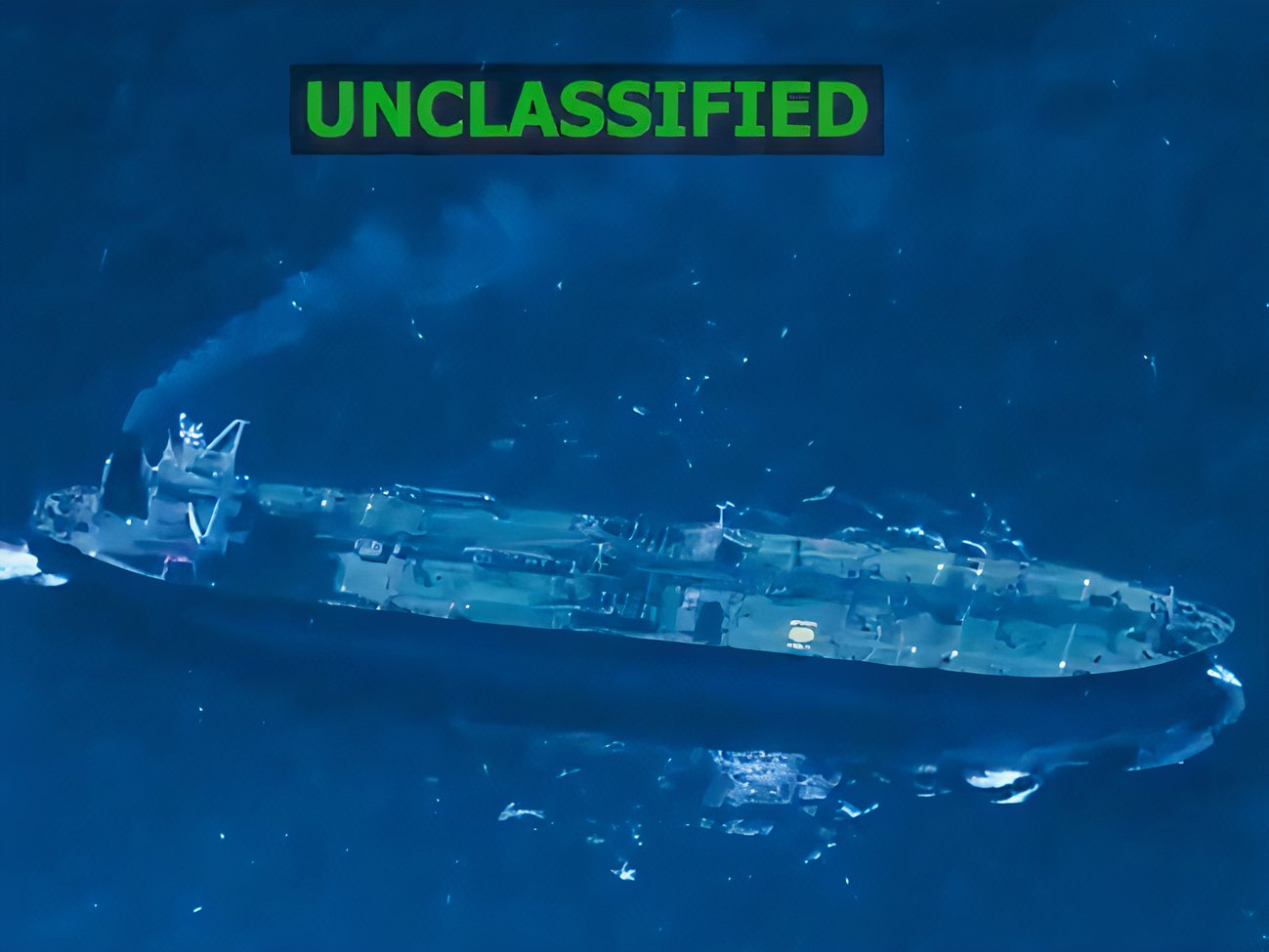
Amid the US-Israeli war against Iran, shipping through the Strait of Hormuz has almost stopped since March 1, leading to a sharp rise in oil prices.
On March 10, information appeared in the media that Iran had allegedly begun mining the strait. US Treasury Secretary Scott Bessent stated that the US Navy will escort tankers from companies that cooperate with the Americans through the Strait of Hormuz.
March 14 Trump called China, France, Japan, South Korea, UK and other countries to send their ships to create conditions of openness and security in the Strait of Hormuz.
At midnight on March 22, Trump threatened to strike Iranian energy facilities if the Strait of Hormuz was not fully opened within 48 hours. After this, the country's representative at the UN maritime agency, Ali Mousavi, said that ships not related to “Iran's enemies” could pass through the strait, subject to coordination of security measures with Tehran. He did not say what exact conditions he was talking about, however, as Lloyd's List reported, Iran has begun charging ships for “safe” transit through the Strait of Hormuz. At least one oil tanker operator agreed to pay about $2 million for the deal.
As the New York Post reported on March 31, Trump said the Strait of Hormuz would “open on its own” and the United States, he said, would not have to stay in Iran “for too long.”
On April 2, Euronews reported that more than 40 countries announced the creation of a coalition to ensure free and safe passage through the Strait of Hormuz after the end of the hot phase of the war.