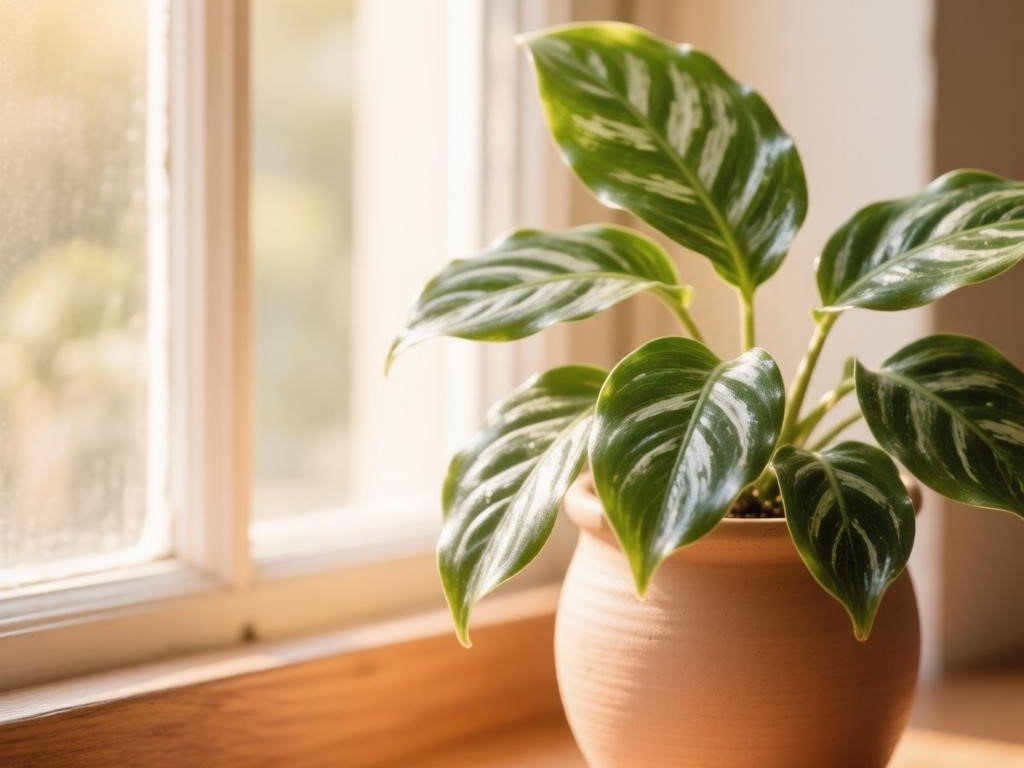
Beginning plant lovers are often faced with an abundance of advice and offers to buy “everything at once.” In fact, the minimum is enough for the first experience. The most important things are the pot, soil, drainage and the plant itself. Choose an inexpensive ceramic pot with a 10-12cm hole that will fit most hardy species. Take a universal soil for indoor flowers, it is balanced in composition. Drainage made of expanded clay or pebbles will ensure the drainage of excess water and protect the roots from rotting. To start, choose a hardy plant such as chlorophytum, sansevieria or ivy.
Add a couple of simple tools, like a small dustpan and a spray bottle, and you're ready for your first try. You shouldn’t immediately buy expensive flowerpots, fertilizers or rare exotics. To begin with, a basic set is enough, which can be gradually supplemented. Try different types of plants to see what does best in your conditions. This will help you get comfortable and decide on future purchases.
Don't waste money on complicated watering systems. Start small and enjoy the process. After all, the most important thing is the moment of caring for living things, and not the ideal collection. Over time, you will understand your preferences and be able to invest in more interesting species. For now, focus on observing, experimenting, and enjoying the first new leaf. Caring for plants is not only about the result, but also about the pleasure from the process itself.
Question and answer:
What are the best plants for beginners?
It is optimal to start with chlorophytum, sansevieria, ivy or spathiphyllum. These species are unpretentious, forgive mistakes in watering and quickly adapt to home conditions.
How often to water indoor plants?
For most unpretentious species, watering once every 5–7 days is sufficient. Check the soil moisture with your finger: if the top layer is 2–3 centimeters dry, it’s time to water.
How can you tell if a plant is cramped in a pot?
Signs of a cramped pot: roots peek out of the drainage hole, the plant stops growing, the soil dries out quickly. In this case, you need to transplant into a container 2–3 centimeters wider.