Debt collection after a deceased person. The Supreme Administrative Court issued a landmark judgment

2026-04-12 12:30
publication
2026-04-12 12:30
Complaints submitted to the President of the Personal Data Protection Office include the phenomenon of creditors sending demands to the debtors' heirs, the office reported on Friday. He emphasized that the heirs accuse creditors of having no grounds for processing their personal data.
The Personal Data Protection Office reminded that the death of a person with financial obligations does not mean that his or her heirs automatically become liable for the debts of the deceased person, and thus it does not entitle creditors to obtain data of potential heirs in order to recover the debt.
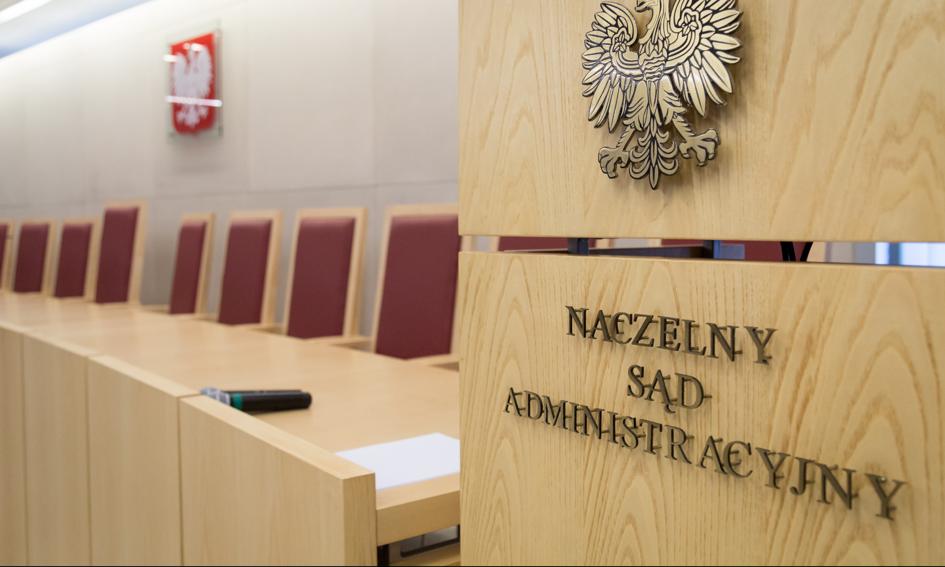
The Office indicated that on April 8, 2026, the Supreme Administrative Court dismissed the cassation appeal of BEST Towarzystwo Funduszy Inwestycyjnych SA against the judgment of the Provincial Administrative Court in Warsaw of November 17, 2022 regarding the complaints of Best SA and BEST III NSFIZ represented by BEST Towarzystwo Funduszy Inwestycyjnych based in Gdynia, regarding the processing of personal data. Thus, the Supreme Administrative Court confirmed the correctness of the decision of the President of the Personal Data Protection Office of 2021.
“The President of the Personal Data Protection Office issued an order to delete the complainant's personal data. The supervisory authority found that neither the company nor the fund had a legal basis authorizing the processing of the complainant's personal data in order to collect receivables from a deceased person,” the office explained.
He emphasized that neither the company nor the fund was entitled to independently determine the circle of heirs. “The common court is authorized to examine who is the heir. To do this, it is necessary to conduct proceedings to confirm the acquisition of inheritance. Only the confirmation of inheritance provided for by law would, in the opinion of the President of the Personal Data Protection Office, leave no doubt as to who and to what extent acquired the inheritance,” the office explained in a statement.
UODO added that the death of the testator itself does not mean that all his descendants become liable for the testator's debts. In the case in question, the President of the Personal Data Protection Office showed that both entities had no legal basis for processing the complainant's personal data and therefore their actions to repay the debt were unlawful.
He also drew attention to the phenomenon of creditors sending demands to the debtors' heirs, who in turn accuse the creditors of having no grounds for processing their personal data.
“Demands to repay debts are sometimes addressed to them even if they reject the inheritance,” the office informed. (PAP)
akuz/kj/