The National Assembly (Orszaggyules), the unicameral parliament of Hungary, has 199 deputies, 106 of whom are elected in single-member constituencies, and the remaining 93 – from national party lists. In each district, the candidate who receives the most votes wins, even if he or she does not obtain a majority.
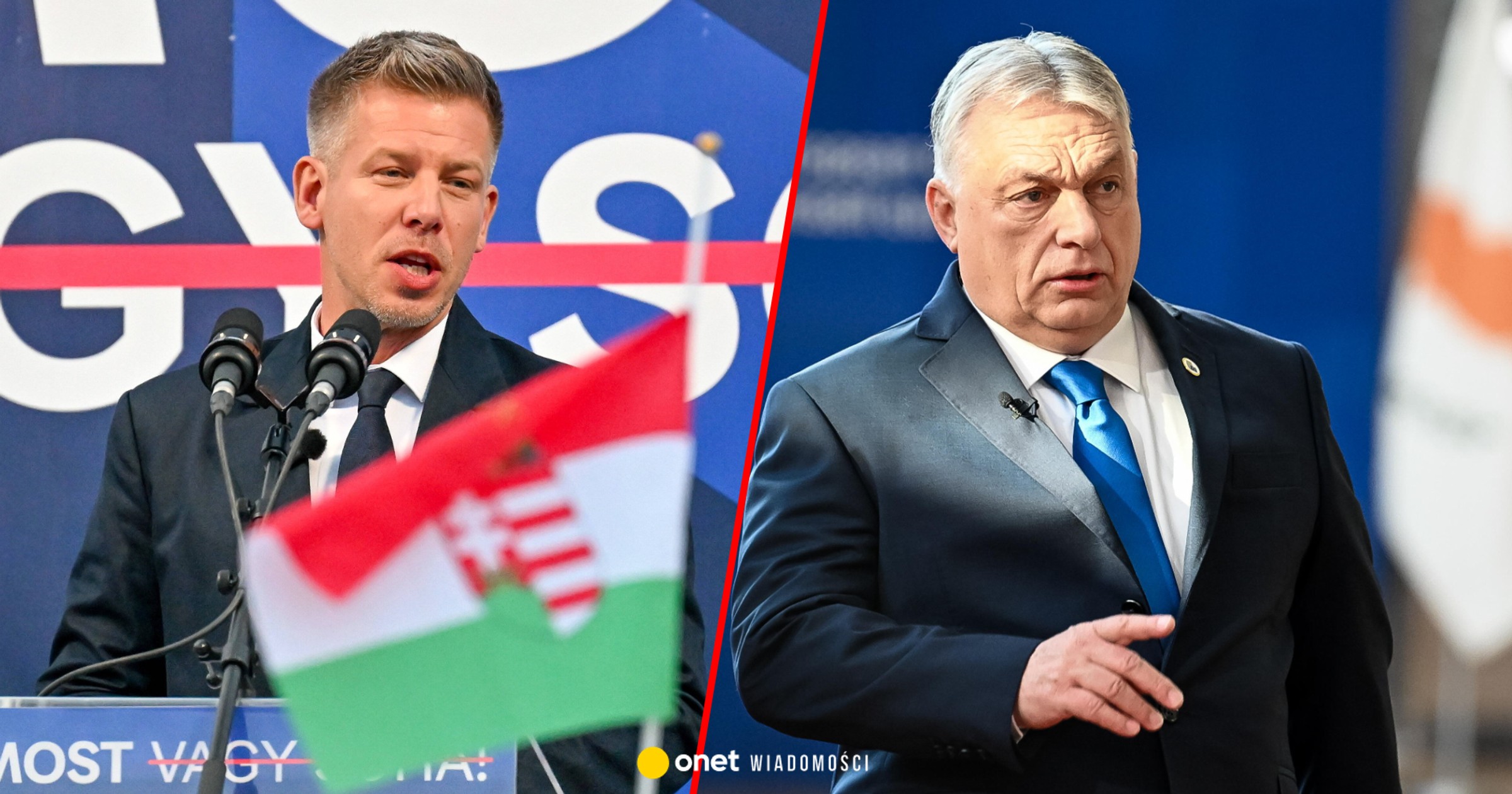
Although five party lists and 12 lists of Hungarian minorities have registered for the elections, the result will be decided between the coalition of Fidesz and the Christian Democratic People's Party (KDNP) led by Prime Minister Viktor Orban and the opposition TISHA party led by Peter Magyar.
Two votes for each voter. There is no electoral silence in Hungary
Voters cast two votes: one for a candidate in a single-member district, and the other for a party or nationality list in the case of people belonging to one of the minorities registered in Hungary. Voters residing outside the country cast one vote, only for the national list.
All citizens of at least 18 years of age who have not been deprived of this right by a court have the right to actively and passively participate in parliamentary elections.
Hungarian electoral law does not provide for electoral silence. The campaign lasts until the polls close on Sunday at 19. On voting day, however, political agitation is prohibited within 150 m of polling stations. Voters waiting outside the polling station at 19 will have the opportunity to vote, but when the voting officially ends, they will no longer be able to stand in line.
In Hungary, there is a threshold of 5%. for political parties, 10 percent for a coalition of two parties and 15 percent. for a joint list of three parties or more. The D'Hondt method is used to divide seats from party lists.
The counting of votes will begin immediately after 19, therefore the preliminary results – together with the percentage of votes counted – should be published around 20 – informed the National Electoral Office (NVI). Exit polls are not conducted in the country.
Votes cast abroad must arrive in the country no later than the fourth day after the election and be counted no later than April 18. In the case of a similar number of votes cast for the largest lists, it is possible that the final result will be known only on Saturday after the elections.
TISZA can count on a two-thirds majority after the elections
Both main rivals will await results in Budapest. Orban and his Fidesz will hold the election evening at the Balna complex on the Danube, and Magyar and Tisza members will hold it at Batthyany Square, located opposite the Hungarian Parliament.
An analysis by the Median center published on Tuesday showed that TISZA can count on a two-thirds majority after the elections, ranging from 138 to 143 seats in a 199-seat assembly. Qualified majority needed, among others: to change the constitution provide 133 seats in the National Assembly.
The estimated composition of the future parliament prepared by Median based on five opinion surveys predicts from 138 to 143 seats for Tisza and from 49 to 55 for the ruling Fidesz. According to Median, the far-right Mi Hazank party can count on five or six seats, being the only party to enter parliament apart from Magyar's and Orban's parties.
Brutal election campaign. Accusations, accusations and a vision of war
The election campaign was marked by mutual accusations of attempts to rig the elections and allegations of foreign intervention in the vote. In recent months, the ruling camp has focused on promises of stability and peace, which, in their opinion, are only guaranteed by Fidesz maintaining power. Orban and his ministers also warned of the risk of the country being dragged into war if the opposition won.
Magyar and Tisza members built their campaign on accusations of government corruption and the deterioration of Hungary's economy. The opposition also announced Hungary's turn towards the West and a constructive approach to membership in the European Union.