If all three units successfully exit the Persian Gulf, that will be it the busiest day of oil exports through the Strait of Hormuz since the almost complete suspension of traffic in early March.
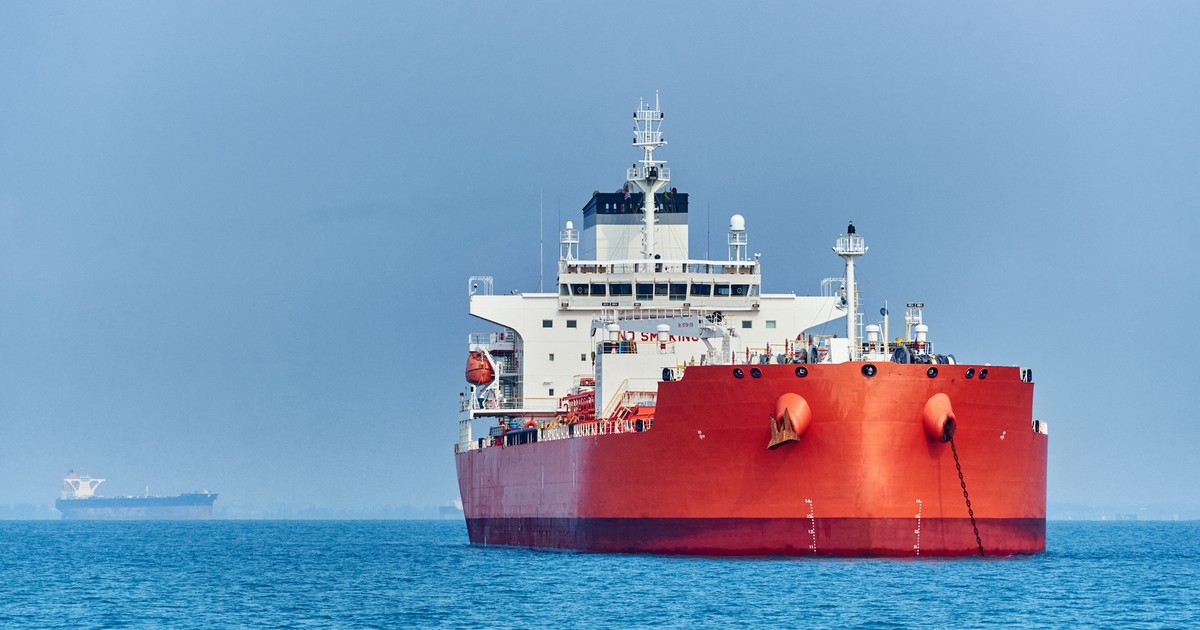
Two Chinese supertankers, Cospearl Lake and He Rong Hai, they would be the first entities from Asian countries to export oil from the region after the conflict. Both ships loaded the raw material in Saudi Arabia.
The Greek tanker Serifos loaded its cargo in Iraq.
The Chinese vessels followed a northern route through the strait, the use of which requires Tehran's consent. This route runs through Iranian territorial waters, along the coast of the islands of Keshm and Larak, and differs from the traditional shipping routes that run along the southern coast of the strait.
Reduced exports still far from pre-war levels
Despite the resumption of traffic, oil transport through the Strait of Hormuz remains well below pre-conflict levels. The three tankers have a combined capacity to transport approximately six million barrels of oil, which is just half the normal daily export rate through this waterway.
By comparison, Iran exported about 1.7 million barrels of oil per day last month.
Read also: The “sweetest” crude oil in the world from the USA. Donald Trump's clear message
Digital tracking of ship movements, although susceptible to manipulation, indicates that the signals transmitted by the three vessels are consistent with their actual routes. The Greek tanker Serifos transmitted a signal to Melaka, a key landmark for ships bound for Asia.