
“The end of campers.” All the problems of German pensioners

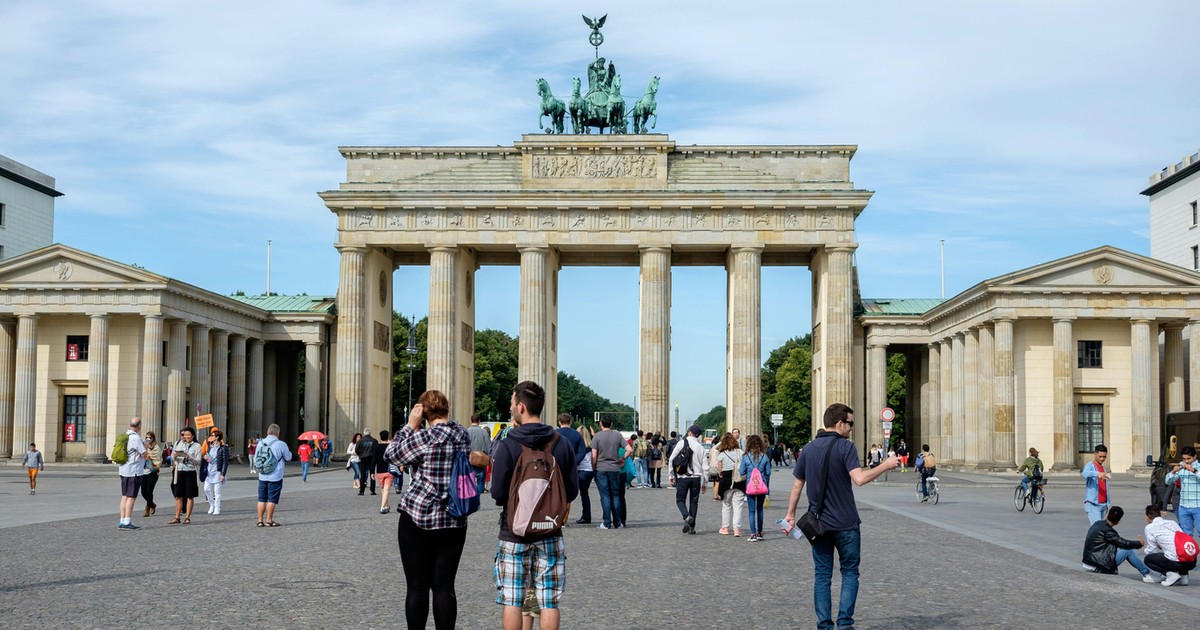
Germany is still one of the most prosperous countries in the world where you don't have to worry about existential problems. But it cannot be denied that the standard of living has dropped significantly in recent years. How does this translate into people of retirement age? We decided to check it out.
Piotr, who spent most of his professional life in Cologne, smiles when asked about the “golden autumn of life”. He also explains that his standard of living is not so dramatically different from that of his friends and family in Poland.
— These are no longer the times when German retirees spent the last decades of their lives in Majorca, Catalonia or traveling around Europe in campers – he explains.
Read also in BUSINESS INSIDER
This is the image that Poles had of German retirees, for example, in the 1990s. But a lot has changed – the cost of living in Germany has increased significantly, the population is aging, and politicians are constantly talking about cutting pension privileges. — Now Germans are more and more stressed about everyday bills and not about hotel prices in Majorca, our interlocutor adds.
How much pension can the average German count on?
Although on paper German pensions look quite good. The median income of a German over 65 years of age is currently EUR 2,070 (i.e. almost PLN 8.9 thousand). However, this rate does not always come from the pension itself.
According to an analysis by Vermoegenszentrum, the “typical” German pension of a person who has worked for 45 years is currently approximately PLN 1.8 thousand. euro – however, the rate will soon increase to approximately 1.9 thousand. However, health and care insurance contributions and some taxes must be deducted from this amount. In other words, the net amount that a German retiree can currently count on is closer to PLN 1,500. euro. And that's less than 6.5 thousand. PLN – in a country that is, however, still much more expensive than Poland.
However, as statistics show, the average income of a German retiree is higher than the “bare” pension itself. It's quite simple to explain – more and more retirees are simply choosing to work.
According to data from the German statistical office Destatis, as many as 19 percent German 66-year-olds are engaged in professional work. With age, this indicator decreases, but still, for example, above 9%. 72-year-olds work professionally abroad.
Our interlocutor, Piotr from Cologne, smiles again when we tell him these data. He admits that in conversations with his Polish colleagues he often hears stereotypes about Germans who, already in their fifties, slowly end their professional careers and begin to enjoy life. Again, the data contradicts these stereotypes. According to Eurostat, 24 percent working Germans are in the age group 55-64. Nowhere else in the EU does this age group constitute a larger part of the working population.
See also: Energy prices are hitting German industry. Europe on the verge of crisis
Why do Germans have to work on pensions?
German experts admit that one sentence shaped the modern pension system. It was expressed by the first Chancellor of Germany, Konrad Adenauer, in the 1950s. It read: “People will always have children”. So a system was built – somewhat similar to the Polish one – in which younger generations support retirees.
This system seemed logical to Adenauer's generation. The chancellor himself had seven children. But in the following decades, German women gave birth to fewer and fewer children. In 1962, six employees financed one retiree. In 2020, there were only 1.8 employees, and the trend is clearly downward, Deutsche Welle reported. It is true that people have been talking about a demographic crisis since the 1970s. However, for a long time the demographic gap was filled by immigrants coming to Germany. But that started to change.
As a result, changes to pensions have been discussed in Berlin for a long time. The first changes are to come into force next year. In short, it is supposed to be more “effective” and “flexible”, but the state does not hide the fact that it simply wants Germans to save more for their old age. Meanwhile, more and more Germans fear that they simply will not have enough money to save. Recent years in this country have been a time of economic crisis and increasingly faster rising costs of living.
The “drama” of German retirees
One of our interlocutors admits that the complaints of German retirees about their fate sound a bit like “first world problems”. But, he admits, in the past, older Germans could easily travel around Europe, buy real estate in Italy, or play for hours with their grandchildren.
A lot has changed. The world has become globalized, rich people from the USA, China and the Middle East have become interested in real estate in southern Europe – and they usually have much more resources than retired Germans. Campervan travel has also become very expensive. And there are much fewer children being born, so not everyone has grandchildren to play with.
As we hear, Poland was once considered a “safe oasis” for retired Germans. Germans bought apartments in Świnoujście or Kołobrzeg to live there in their old age – or booked places in retirement homes on the Polish side. In the past, a “standard” German pension was enough to afford it. However, over the last decade prices in Poland have increased so much that it has become simply unrealistic for an “ordinary” retiree.
But the German pension system has also become a bit of a victim of its own success. Good pensions and medical progress have meant that German retirees are living longer and longer. Back in 1960, the average pension payment period did not exceed ten years. Now it is more than twice as large, according to official German statistics.
See also: Future retirees have something to worry about. Yes, the Central Statistical Office data will reduce benefits [KWOTY]
Steady increase in benefits, fewer children, fewer people working – and more and more retirees. It's hard for all this not to end in a retirement disaster. Discussions about further pension reforms continue, meanwhile German retirees simply get to work. They go to their former companies or simply end their professional careers much later.
— There used to be a stereotype of an extremely hard-working German. Let's be honest – in real life it happens and used to be different. But when it comes to retired Germans, this stereotype is becoming more and more true – smiles bitterly Piotr from Cologne.
Author: Mateusz Madejski, journalist of Business Insider Polska


