The National Broadcasting Council criticizes the projects of the Ministry of Digitization. The implementation of DSA in Poland is controversial

2026-02-20 19:44
publication
2026-02-20 19:44
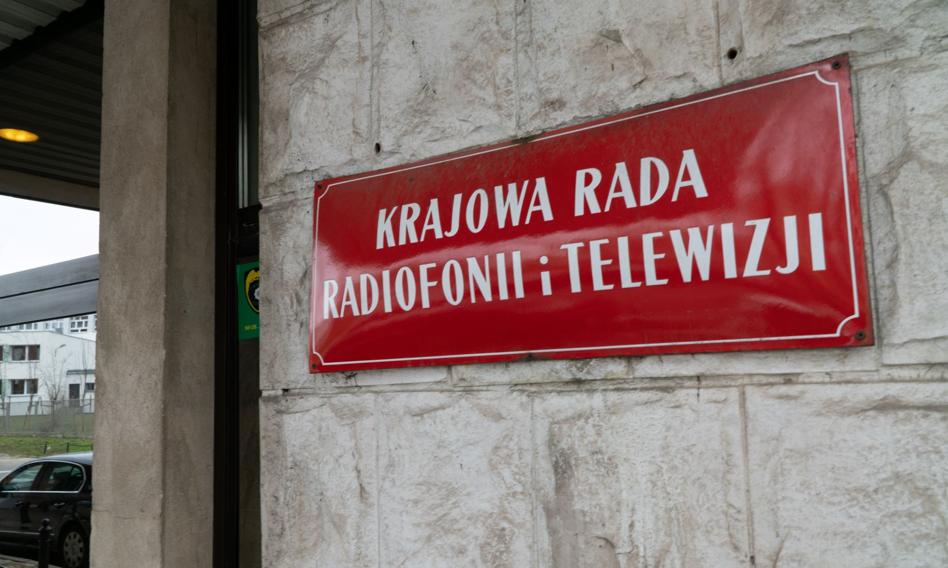
In the opinion of the National Broadcasting Council, draft laws intended to implement the EU Digital Services Act (DSA) into Polish law carry the risk of “administrative censorship” and “dilution of competences” of state authorities. This position was conveyed by the National Broadcasting Council to the Ministry of Digitization, which is working on the projects.
The amendment to the Digital Act, which was to implement DSA, was vetoed by President Karol Nawrocki in early January. According to it, the presidents of UKE and KRRiT could order online platforms to remove illegal content relating to 27 prohibited acts, mainly under the Criminal Code. The amendment also appointed the President of UKE as the coordinator for digital services, which was to enable him to supervise compliance with and enforce DSA regulations.
Currently, the Ministry of Digitization is working on two projects to amend the Digital Act. The first assumes that the president of the Office of Electronic Communications (UKE) will become the coordinator for digital services. The DSA requires the appointment of a coordinator, and the European Commission took Poland to the CJEU in May 2025 for the lack of regulations on this matter. The second bill establishes a national procedure for issuing orders to platforms to block access to content that is illegal under the DSA.
In Friday's announcement, the Chairwoman of the National Broadcasting Council, Agnieszka Glapiak, emphasized that “the implementation of DSA must strengthen the safety of users, but cannot lead to the creation of mechanisms limiting public debate or to the dilution of institutional responsibility.”
The Council's most serious reservations are raised by the procedure for issuing content blocking orders by administrative bodies, including the Chairman of the National Broadcasting Council or the President of UKE. According to the Council, the proposed regulations transfer to officials competences reserved for common courts. “The assessment of the illegality of content should be carried out by independent courts, and effective supervision over the digital market requires one, strong regulator equipped with real tools and resources,” Glapiak noted.
She emphasized that determining whether a given content constitutes prohibited acts may require meticulous evidentiary proceedings. Transferring these tasks to the administrative process may, in her opinion, cause “competence and organizational confusion among state bodies.”
As reported by the Chairwoman of the Council, the draft law also imposes other new tasks on the National Broadcasting Council: from conducting proceedings and inspections to cooperation with national and EU institutions. The National Broadcasting Council pointed out that the government had not provided additional financing, human resources or technical support for this purpose. According to the Council, this is contrary to the very assumptions of the EU DSA, which obliges Member States to provide the authorities with adequate resources.
The Council also calls for the adoption of a coherent model for supervision of online content. “The Council's experience in the area of user protection argues that the Chairman of the National Broadcasting Council should be the competent authority not only in the field of video-sharing platforms, but also other online platforms for publishing and exchanging content” (excluding areas such as personal data protection or consumer practices) – said the National Broadcasting Council.
The Digital Services Act (DSA) is the first regulation in the world to hold companies across the EU responsible for the content they post on their platforms. Its aim is to create a safer and more transparent online environment while protecting freedom of expression. It introduces greater transparency of content moderation rules, the obligation to justify decisions to remove content, and clear rules regarding the operation of algorithms and advertising. The entire act is in force in EU countries from February 17, 2024.
At the beginning of May last year The European Commission took Poland to the Court of Justice of the EU (CJEU) for failure to implement the regulations. The EC accused Poland of failing to appoint a coordinator for digital services to supervise compliance with and enforcement of DSA regulations. In May 2025, the President of UKE was appointed as a temporary coordinator, but cannot fully perform his tasks due to the lack of implementation of DSA in Poland. Poland is one of the last countries to implement these regulations.
President Karol Nawrocki, refusing to sign the amendment to the so-called Digital Act argued that it would introduce “administrative censorship”. Deputy Head of the Chancellery of the President of the Republic of Poland, Adam Andruszkiewicz, declared that the president was not against the implementation of DSA, but against some procedures in the vetoed amendment, which – according to Nawrocki – are over-regulation.
On February 12, the Sejm digitization committee voted in favor of re-adopting the amendment to the so-called Digital Act. (PAP)
teddy bear/js/