Giant crystal from Arkansas at the Smithsonian. How much is it worth and where does its phenomenon come from?

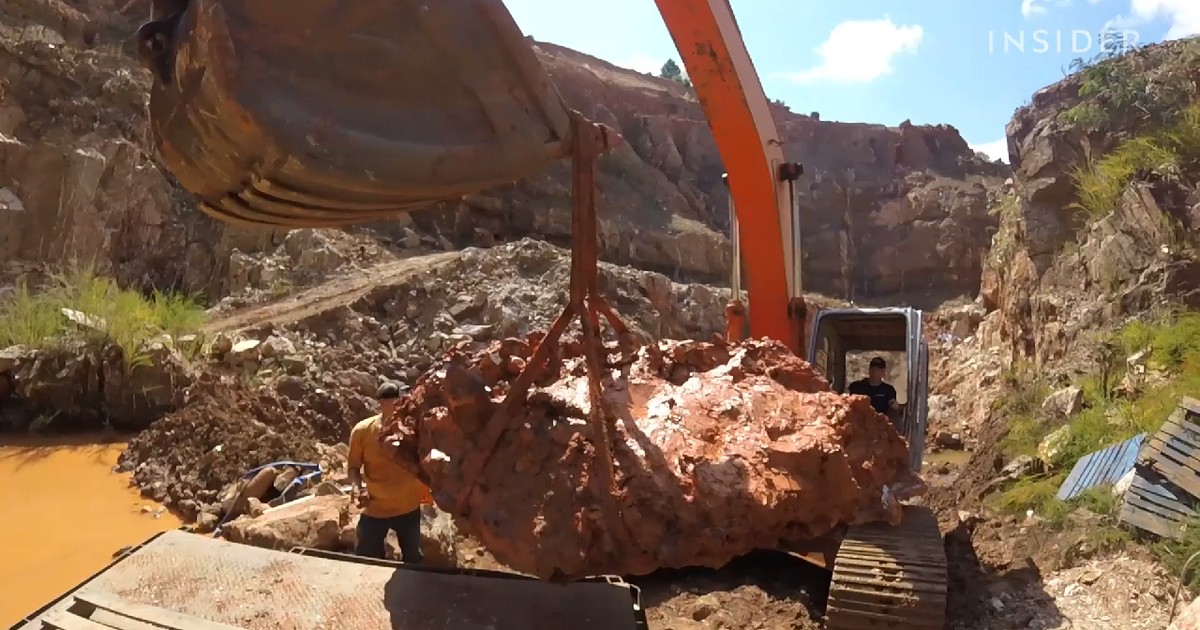
Miners discovered this crystal weighing 3.6 tons in Arkansas. It was donated to the Smithsonian National Museum of Natural History, which has one of the largest mineral collections in the world.
“We knew we had something special,” says Patricia Berns, the crystal's donor.
Read more: This animal finds its way into bathrooms all over the world. A business worth millions
This huge crystal is extremely rare
|
Business Insider
Crystal prices are rising
Such donations are not common these days. This is because crystals are becoming more and more expensive. They can be really expensive.
“The price of one specimen can reach millions of dollars,” admits Jeff Post, curator, Smithsonian Institute.
— Things that cost between PLN 50,000 and PLN 100,000 in the 1990s dollars, today they can easily reach prices ranging from $0.5 to $1.5 million. – adds Daniel Trinchillo, founder and president of Mardani Fine Minerals.
Crystals were formed millions of years ago, so their quantity is limited. We have as many as we dig. Due to their rarity, growing demand and Instagram aesthetic…
“They are unusual because uncut crystals are just beautiful in their rawness,” says Marisa Galves, a professor of humanities at Stanford University.
Private collectors buy crystals at exorbitant prices. All this makes it difficult for museums to acquire and preserve such specimens. How did the industry become so large and how did the Smithsonian acquire such a rare specimen?
“When you find a big specimen, you discover pieces of it one by one,” explains Josh Coleman, a miner at Ron Coleman Mining.
This is Josh, a fifth-generation miner. He and his grandfather found the crystals from Arkansas in the summer of 2016. Most crystals have two sides with a pocket in the middle.
-The back of the crystal is flat. When we dug them out, we didn't know what they were until we pulled them out and sprayed them with water, the miner recalls.
First, the miners removed only one side of the crystal.
— When we pulled it out of the ground, it was so covered in mud it didn't even look like crystal. My grandfather was disappointed. He said the rock appeared to be hollow. By the word “hollow” we mean that it is simply quartz, without any peaks. It was a bit discouraging. We took the crystal with us and brought it back to cleanse it. We started spraying it and thought, “Oh my God. This is phenomenal.” We got much more than we expected. So we left the second stone in the ground and came back after about an hour to dig it out, he adds.
It took them about two months to extract the giant crystal. The Arkansas crystal weighs as much as this forklift.
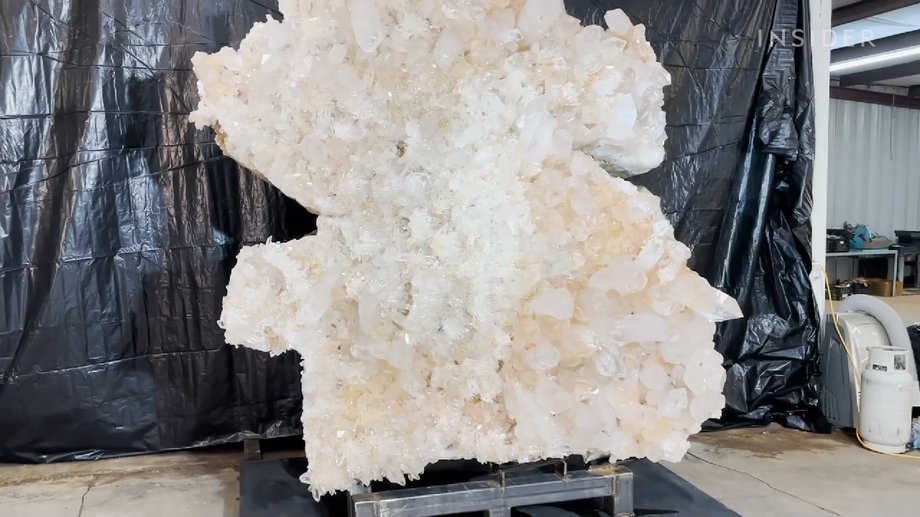
Crystals were formed millions of years ago, so their quantity is limited
|
Business Insider
Transporting a large crystal is not an easy task
The Colemans knew they would have to sell a crystal of this size, and the best place to do it was Tucson.
“Tucson is home to the world's largest crystal fair,” Josh says.
4,000 vendors come to the city every year. It is estimated that crystals worth a total of $5 billion are sold at the fair in just three weeks.
“We took both pieces to Tucson. The smaller piece, which is the top piece, didn't leave the box at all. “And for the larger piece, which is the lower part, we had to dismantle our warehouse in Tucson to accommodate it,” he explains.
That's where donors found him.
I'm always looking for new specimens for the Smithsonian, but most of what I find is something they already have. Looking at the size of the crystal, I knew it was about 8 by 10 feet
– says Michael Berns, the crystal's donor.
Real estate developers Michael and Patricia called the Smithsonian.
“They said they would love to have the crystal, but they couldn't afford it,” Michael recalls.
The museum is government-funded, so it cannot use federal funds to acquire specimens. That's why the world's largest national history museum relies heavily on donors like the Bernses to expand its collections.
—We couldn't afford the crystal at that time either. I started negotiations, which took several months, he adds.
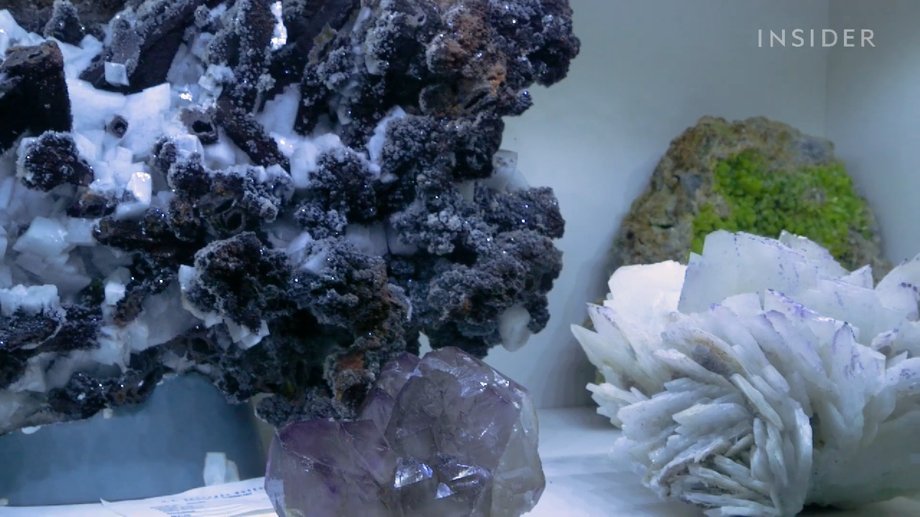
Contrary to appearances, the popularity of crystals is huge
|
Business Insider
The Bernses wouldn't tell us how much they spent on the crystal, but Josh told us that crystals of this size have been valued at $4 million and $7 million in the past.
Transporting a crystal a distance of 1.5 thousand km was not an easy task. The miners suspended the fragments using belts and a forklift, then moved them into two wooden crates.
— We have large garbage bags with a capacity of about 210 liters. They're filled with crumpled up newspaper, which works great, Josh explains.
Josh and his family transported these crates halfway across the country to Washington, DC.
— Although many specimens enter our collection every year, they are almost never transported in such large trucks. So this is a unique opportunity for us, says Jeff.
Here's Jeff. Manages the museum's collection of gems and minerals. Makes sure specimens are in good condition before the museum takes ownership of them.
And here's Charles. He is responsible for moving crystals and has been doing it here since 1995.
– This chest contains the first of two Arkansas crystals. This one is the larger of the two and weighs approximately 2.3 tons. And here is a smaller box with the second specimen, which weighs 1.4 tons. Today we will unload the crystals and install them in the museum. “We are ready to move and get the job done,” says Charles Noble, project manager for the Smithsonian Institute.
Where did your interest in crystals come from?
It takes five riggers, steel plates and many belts to move the crystal safely. The exhibition is only 120 meters from the loading dock, but it took seven hours to move the crystals. At midnight the crystal was fixed in place.
In the gems and minerals department, receiving such donations is becoming increasingly rare due to the growing and lucrative crystal business.
Ancient Egyptians buried their dead with quartz. Crystals have been used in jewelry and even eye shadow. In China, jade was believed to provide immortality and was placed in the tombs of royal families during the Han dynasty.
“Then the Greeks took this tradition and used jade for medicinal purposes or as a talisman against the evil eye and things like that,” Marisa explains.
It is this spiritual connection with crystals that made them perfect for the world of self-care.
— There was a change in the mid-1990s, both related to the boom in metaphysics that began in the 1990s and the emergence of a new group of collectors who looked at crystals solely for their aesthetic value, says Daniel.
Crystals serve many functions. They can be used for spiritual practices, but also in the wellness industry. This can be seen in media outlets such as Instagram and Goop
says Marisa.
Katy Perry, Kylie Jenner and Gwyneth Paltrow have been praising crystals for years. Adele swears that they help her fight stage fright. Today, the value of this industry is over a billion dollars. Mines like the Colemans' have become tourist attractions.
You can come and dig your own crystals. We have a zipline that goes over the crystal mine, we organize mine tours and they have become very popular over the last two years
says Josh.
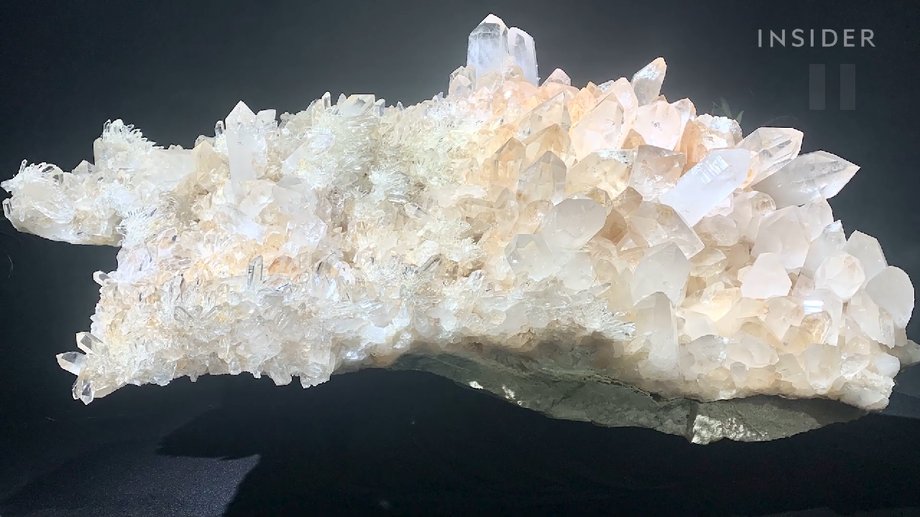
World stars are interested in crystals
|
Business Insider
Do crystals heal?
Large cosmetic brands have also entered the game. In New York, crystal therapy to regulate chakras costs $250. for a one and a half hour session.
“Crystal therapy works on the body's vibrations, returning them to their natural state,” says Sadie Kadlec, a healer at Maha Rose.
Different crystals purport to have different healing properties, but there is no scientific evidence to support their healing powers.
A study conducted in 1997 by a professor from Goldsmiths, University of London showed that the power of crystals is solely due to the placebo effect. However, this did not stop consumers from buying crystals. They can be commercialized, posted on social media, on Instagram.
All this popularity has made competition in the crystal market extremely fierce.
Scientists are still interested in them. There is also interest related to metaphysics and interest from artists. Thanks to this development, crystals began to be appreciated and given value
says Daniel.
Daniel said he's seen crystals sell for a hundred times more than they did 20 or 30 years ago.
— Many of the mineral specimens you see in these display cases and exhibitions now sell for tens of thousands, hundreds of thousands, and even millions of dollars. The art world and the mineral world have become, in some ways, very similar types of economy, explains Jeff.
It is difficult for publicly funded museums to gain access to great exhibits.
This is because private collectors are now very competitive and have access to financial resources that allow them to purchase all or almost all of the great specimens that are available on the market.
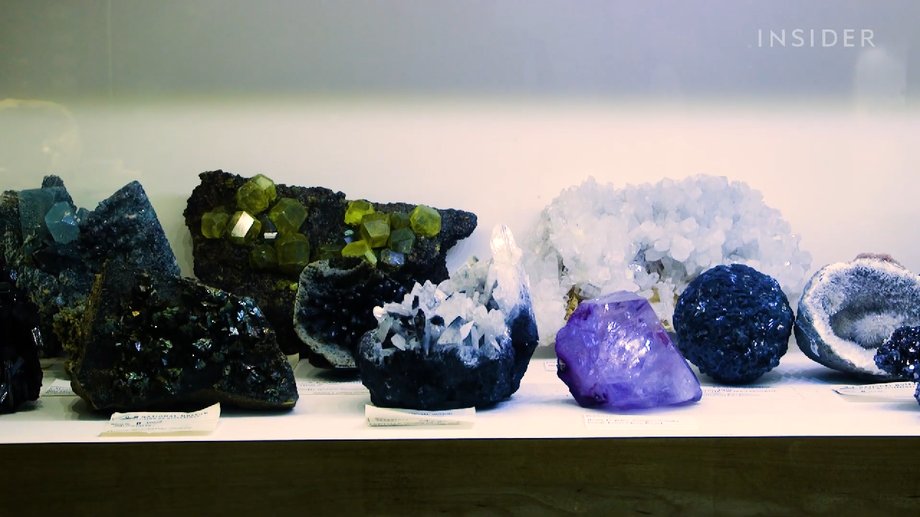
There is no scientific evidence to support the healing power of crystals
|
Business Insider
I don't mind people collecting stuff like this, but the difference is that once it comes to us, it becomes public property, which means we can put it on display for people to see. Additionally, this provides access for researchers. It is not like a private collector who looks at specimens in his room, basement or anywhere else.
Jeff explains.
What makes this Arkansas quartz worth preserving is its rarity in both size and occurrence, as there are a limited number of crystals on Earth.
“Crystals were probably formed 300 million years ago,” Daniel reminds us.
They were formed deep in the Earth's crust and need ideal conditions. Crystals can form from slowly forming magma, in an environment rich in water and silica, or under the influence of intense temperatures and pressure. However, all crystals need open space to grow.
“As they move up through erosion and come to the surface of the earth, we can find them. Somewhere deep underground, probably 10 km below the surface, where we won't get to even for another 50 generations, minerals are being created that will never be available to us, he adds.
However, nothing slows down the industry's development.
“I think demand will just continue to grow,” Daniel says.