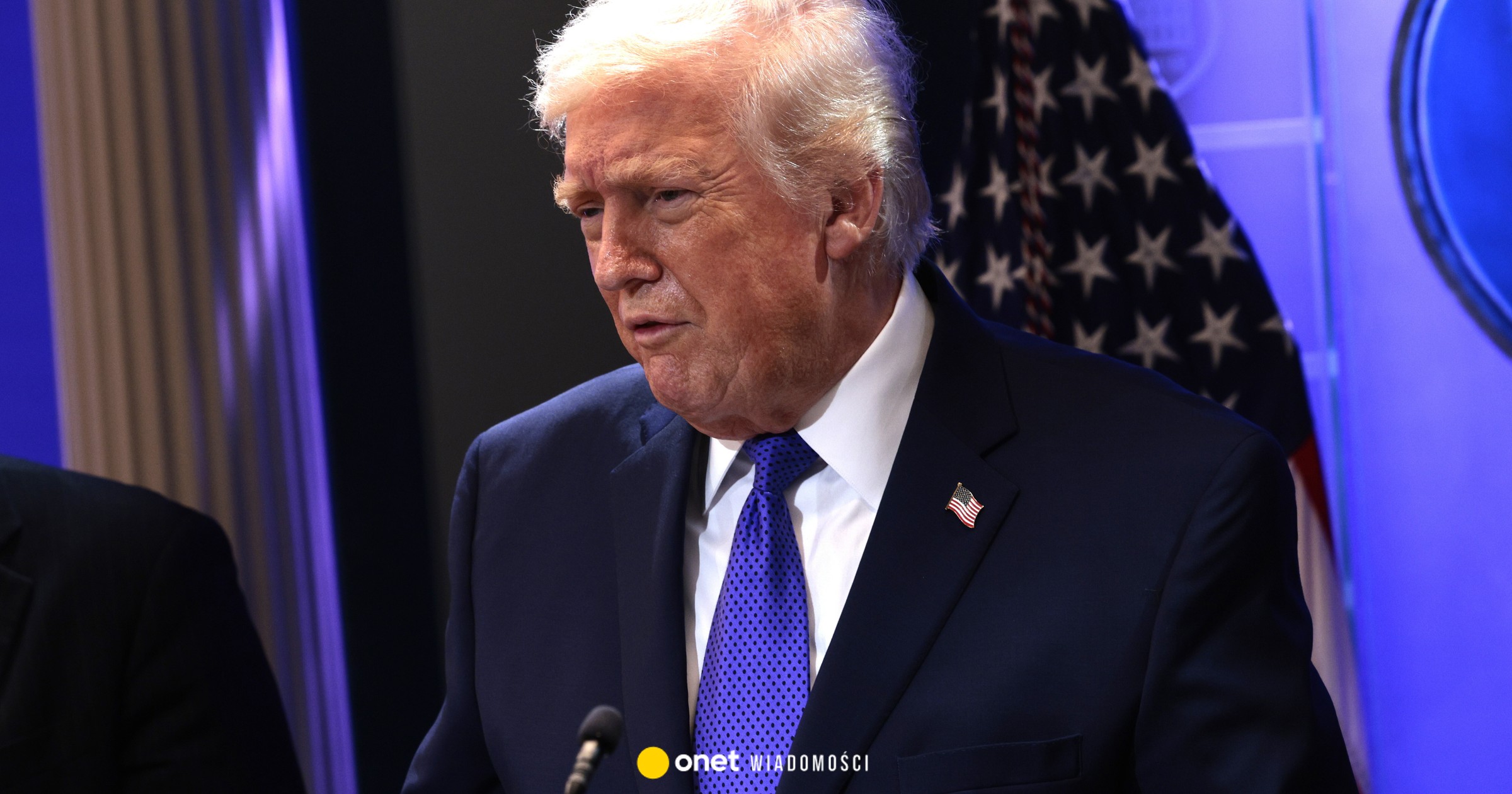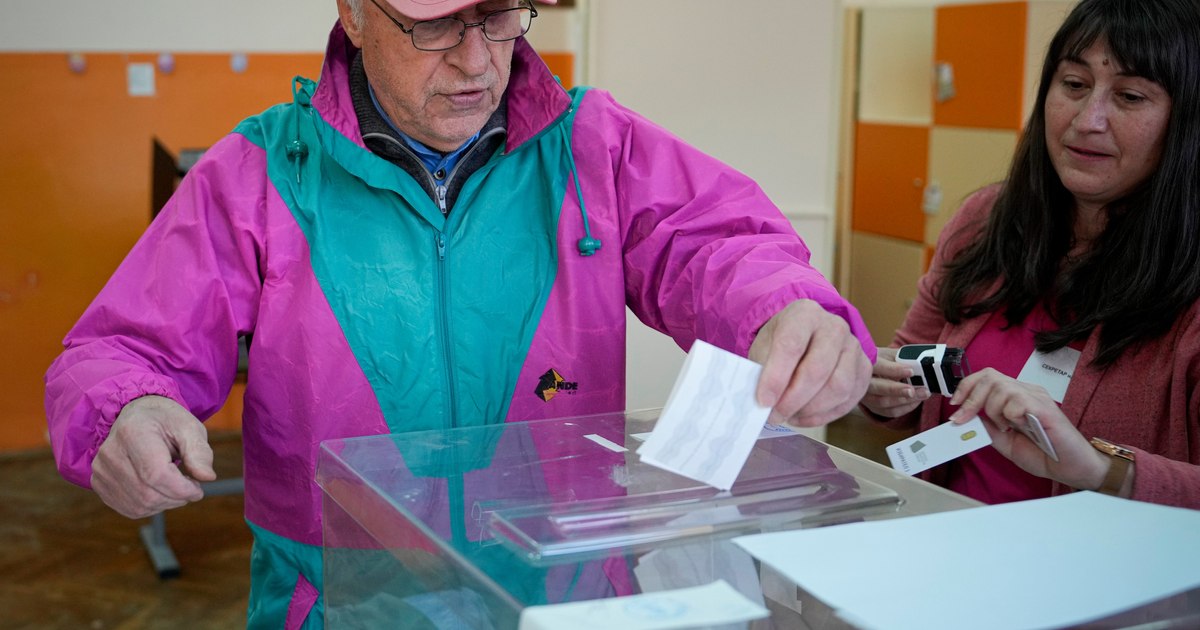
Sofia is bracing for possible outside interference ahead of high-stakes parliamentary elections in April.
Bulgarians will vote again this month/PHOTO: Archive
Bulgaria has sought support from the European Union to counter interference attributed to Russia ahead of elections later this month, according to correspondence reviewed by POLITICO.
In a rare move for an EU member state, Bulgarian officials last week asked the bloc's diplomatic service to help them identify — and ultimately block — campaigns by outside actors trying to sway public opinion through social media and propaganda websites, using European mechanisms developed in response to threats from Russia and China.
The request is part of efforts by Sofia authorities to combat external interference. Bulgaria's Foreign Ministry recently created a temporary unit to coordinate the response to such risks and co-opted investigative journalist Christo Grozev, known for his work with the Bellingcat group, as an adviser.
The government is preparing for possible attempts to influence the vote before the parliamentary elections scheduled for April 19. It is the eighth election held in the last five years, in a political context in which left-leaning ex-president Rumen Radev, who is at the top of the polls, faces off against veteran center-right leader Boyko Borissov.
A recent report by Bulgaria's Center for the Study of Democracy shows that the country “has one of the most permissive information environments in the EU for hostile undemocratic manipulations and one of the least prepared institutional responses,” drawing attention to active networks of Russian-influenced accounts that aim to amplify social divisions.
Sofia requested support from the European External Action Service
In the request sent to Brussels, Sofia asked for support from the European External Action Service (EEAS), the EU's diplomatic structure that coordinates collaboration between European security services to detect and analyze influence campaigns carried out by external actors. This mechanism is frequently used to protect the neighboring states of the Union, such as Moldova, against interference attributed to Moscow.
Bulgaria has also requested the activation of a rapid response mechanism under the Digital Services Act, which would allow direct consultations with major online platforms — Meta, Google, TikTok and others — to identify and stop disinformation campaigns in real time. The European Commission has confirmed that it has started this process.
In the letter addressed to the European Commission and the EEAS, the Bulgarian authorities cited “the increased risk of coordinated disinformation campaigns and external interference that may affect the integrity of the electoral process”.
An official familiar with the request, who spoke on condition of anonymity, said Bulgaria has avoided openly addressing such risks in the past, denying the existence of interference. “Currently, the Ministry of Foreign Affairs is treating the subject with much more attention and prioritized it”he specified.
The European External Action Service uses a set of dedicated tools — known as FIMI (Foreign Information Manipulation and Interference) — to collect and share information from national and European authorities involved in monitoring disinformation, as well as to coordinate joint responses. It can also contribute to the public identification of actors involved in hybrid campaigns and support for possible sanctions at the EU level.
Meeting with representatives of the TikTok platform
In parallel, the Bulgarian authorities had a meeting with representatives of the TikTok platform in mid-March to discuss the risks of disinformation in the electoral context.
“Bulgarian electoral code contains strict rules for political campaigns, but these apply mainly to traditional media. Much of the disinformation has moved online”explained Georgi Angelov, senior analyst at Sensika, a company specializing in online content monitoring.
“According to what we have seen in Romania, this is a dangerous trend”he added, referring to the surprise victory of an almost unknown anti-NATO candidate, Călin Georgescu, in November 2024 amid allegations of a coordinated campaign on TikTok. The platform has consistently rejected criticism that it did not properly manage the risks in that case.
The EU diplomatic service, for its part, said it is ready to support member states in combating disinformation, “especially through the Rapid Alert System, which allows the exchange of information in real time”, a mechanism activated when the security services identify such campaigns and an integral part of the FIMI toolkit.
“The organization and conduct of elections is a national competence. They are fully the responsibility of the member states“, emphasized the European institution.