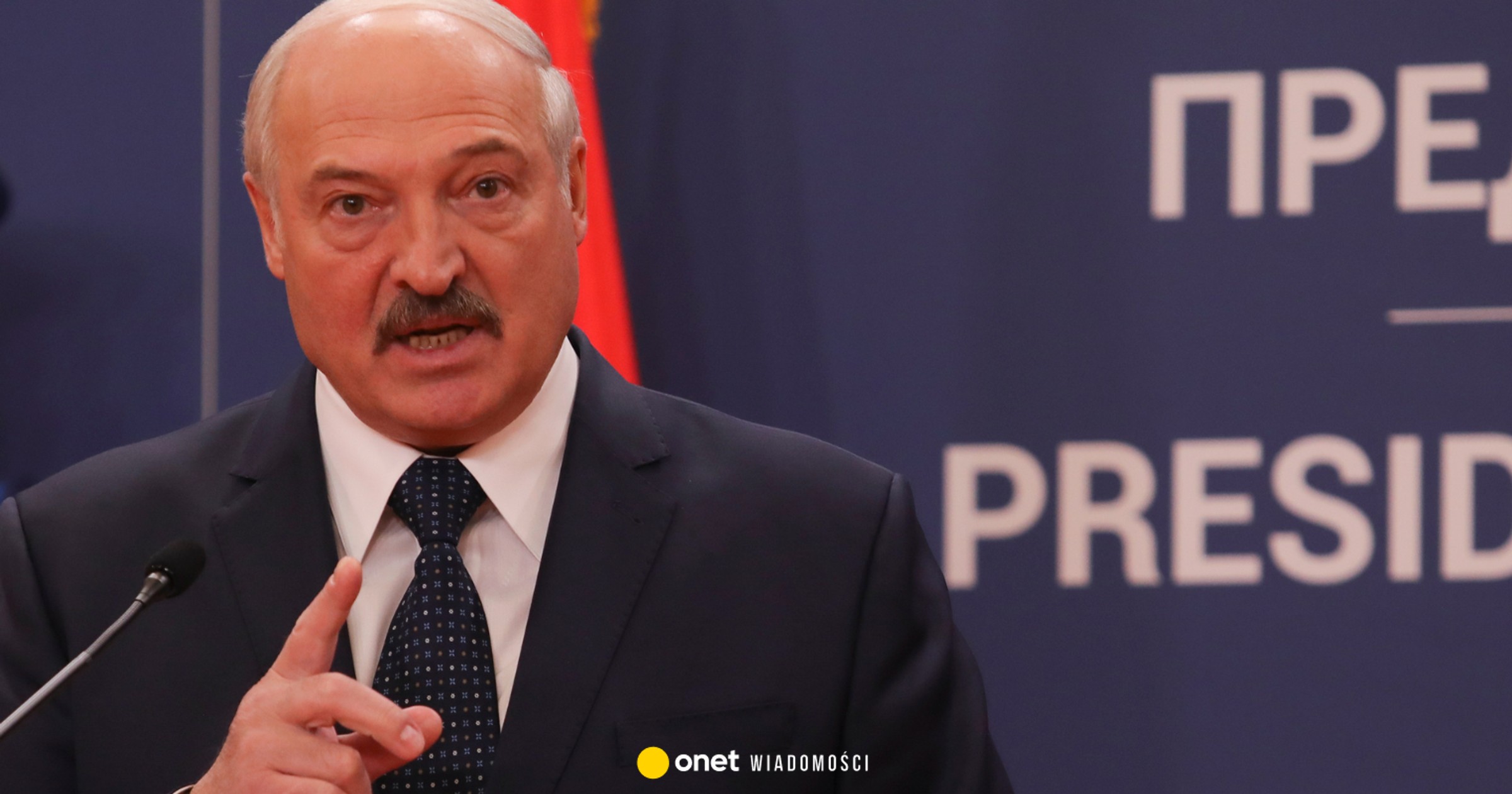
The heads of Europe's biggest airlines, Michael O'Leary (Ryanair) and Carsten Spohr (Lufthansa), sound the alarm about fuel supplies. The conflict in the Middle East has already begun to disrupt logistics routes, and the first effects are visible in Asia.
Ryanair boss considers canceling flights. PHOTO Freepik
Lufthansa: Early warning signs in Asia
Carsten Spohr, CEO of Germany's Lufthansa Group, said on Wednesday that the first blockages had already appeared outside the continent. According to him, the war has severely disrupted supply routes, and some airports in Asia have already begun to refuse additional flights due to limited fuel stocks.
“If the kerosene shortage becomes widespread, it will probably be felt outside Europe for the first time“, Spohr explained to the publication FAZ. However, the head of the largest European airline group (which also owns Austrian, Swiss or Brussels Airlines) assured that Lufthansa has secured more than 80% of its fuel needs for the year 2026.
Ryanair: 20% risks for canceling flights in high season
Ryanair CEO Michael O'Leary warned on Wednesday that Europe's kerosene supply could be disrupted from June if the conflict in the Middle East does not end next month, reports Reuters.
Michael O'Leary says the situation could lead the Irish operator and other airlines to consider reducing capacity or even canceling some flights during the peak summer season, reports Reuters, taken by Agerpres.
O'Leary explained that Ryanair is talking to all its fuel suppliers in Europe on a daily basis to monitor the situation.
“If this conflict continues until the end of April, there are supply risks from the beginning of June. If it continues into May, then we don't know what will happen. There is a 10%-20% risk of fuel supply in June, or July or August, when other airlines will also start looking at canceling flights or reducing capacity.” he declared.
O'Leary also stated that the June-September period represents the most profitable months for Ryanair flights and that reducing routes is not an easy option. He pointed out that Britain is the most exposed European state to potential supply problems, due to massive oil imports from Kuwait.
According to IATA estimates, around 25%-30% of Europe's kerosene demand depends on the Gulf region, making the continent extremely vulnerable to the impact of war on supply.
And Fatih Birol, the head of the International Energy Agency, warned that the disruption to oil supplies from the Middle East would increase in April and begin to affect the European economy.
“The biggest problem is the shortage of kerosene and diesel, which is already affecting the states in Asia, but the effects will also be felt in Europe, in April or May”says Birol.
Despite these warnings, O'Leary pointed out that Ryanair has so far not seen a major impact on ticket prices and expects annual fares to rise by 3%-4% in the April-June period, while passenger traffic could see an advance of around 5%.
Market reaction was positive, with European airline stocks rising on Wednesday after Donald Trump said the United States could end military strikes on Iran within two to three weeks. Ryanair shares rose 4.1%.